
Is It Better to Have a Mixed Flock of Chickens? Usually Yes
Mixed breeds spread the laying season, vary egg colour and make the pecking order legible. Where mixing causes real trouble, and how to avoid it.
 By
On this page
Chickens sort by individual, not by breed. A mixed flock is usually the better small-garden choice, and the problems people blame on mixing are nearly always size, temperament or a clumsy introduction.
Mixed against single breed
| mixed flock | single breed | |
|---|---|---|
| Peak egg numbers | lower | higher with hybrids |
| Eggs across the whole year | more even | all stop together |
| Who-stopped-laying diagnosis | obvious by colour | guesswork |
| Heat and cold tolerance | spread | one profile |
| Broodiness available | usually | depends on breed |
| Replacing a bird later | easy | matching needed |
Combinations to avoid
| pairing | why |
|---|---|
| Large fowl + bantams | size mismatch at the feeder |
| Game or known-aggressive + placid | sustained bullying |
| Crested (Polish, Houdan) + anything | crest blocks vision, invites pecking |
| Feather-footed + muddy run | foot problems, not bullying |
Most breed-aggression stories are introduction problems
Adding birds to an established flock causes a week of real fighting whatever the breeds are. Judge a mix after a fortnight, not on day two.
Introducing newcomers
- See but not touch for 7–14 days through mesh
- Add at night, onto the roost, so they wake up as part of the flock
- Two feeders, two drinkers, in separate places
- Clutter the run — perches, pallets, a dust bath — so a chased bird can break line of sight
- Quarantine new adults from outside your property for three weeks before any of this, for disease rather than behaviour
A workable six
Two Orpingtons or Australorps, two Sussex or Rhode Island Reds, one Easter Egger, one Marans. Similar size, calm temperaments, and four egg colours so the laying record writes itself.
Common questions
Do different chicken breeds get along?
What is the real advantage of a mixed flock?
What should not be mixed?
Does mixing breeds affect egg production?
How do I introduce a new breed to an existing flock?
What is a good starter mix?
Backyard Weekly
Know what to plant, week by week
Join the weekly email for seasonal jobs, fixes for what is going wrong, and gear worth buying.
Not ready to subscribe? The planting calendar is free and needs no email.
By subscribing you agree to our privacy policy. Grow In Backyard will never sell your address.
Keep reading
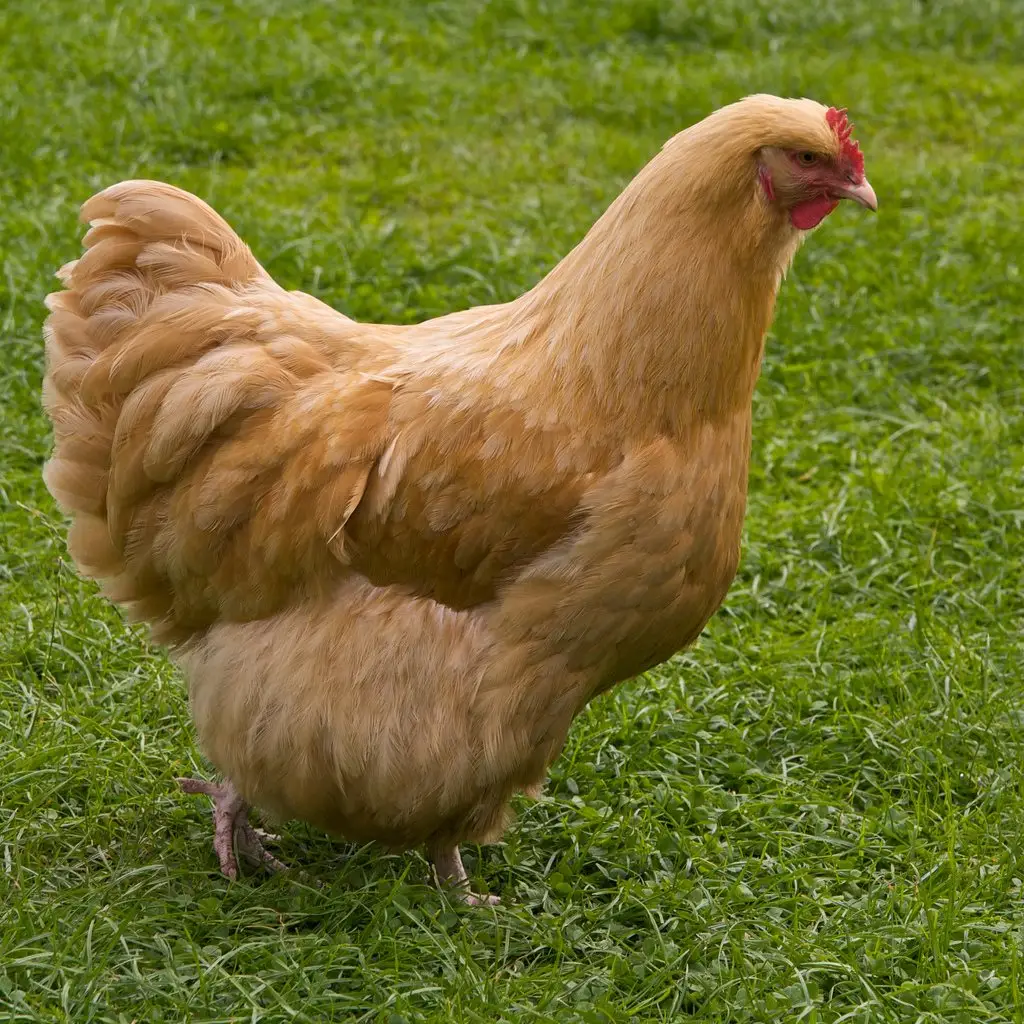
Chicken Breeds: A Guide by What Each One Is Actually For
Fourteen common breeds sorted by purpose — eggs, meat, dual-purpose, beginner-friendly — with a link to the full comparison for each category.
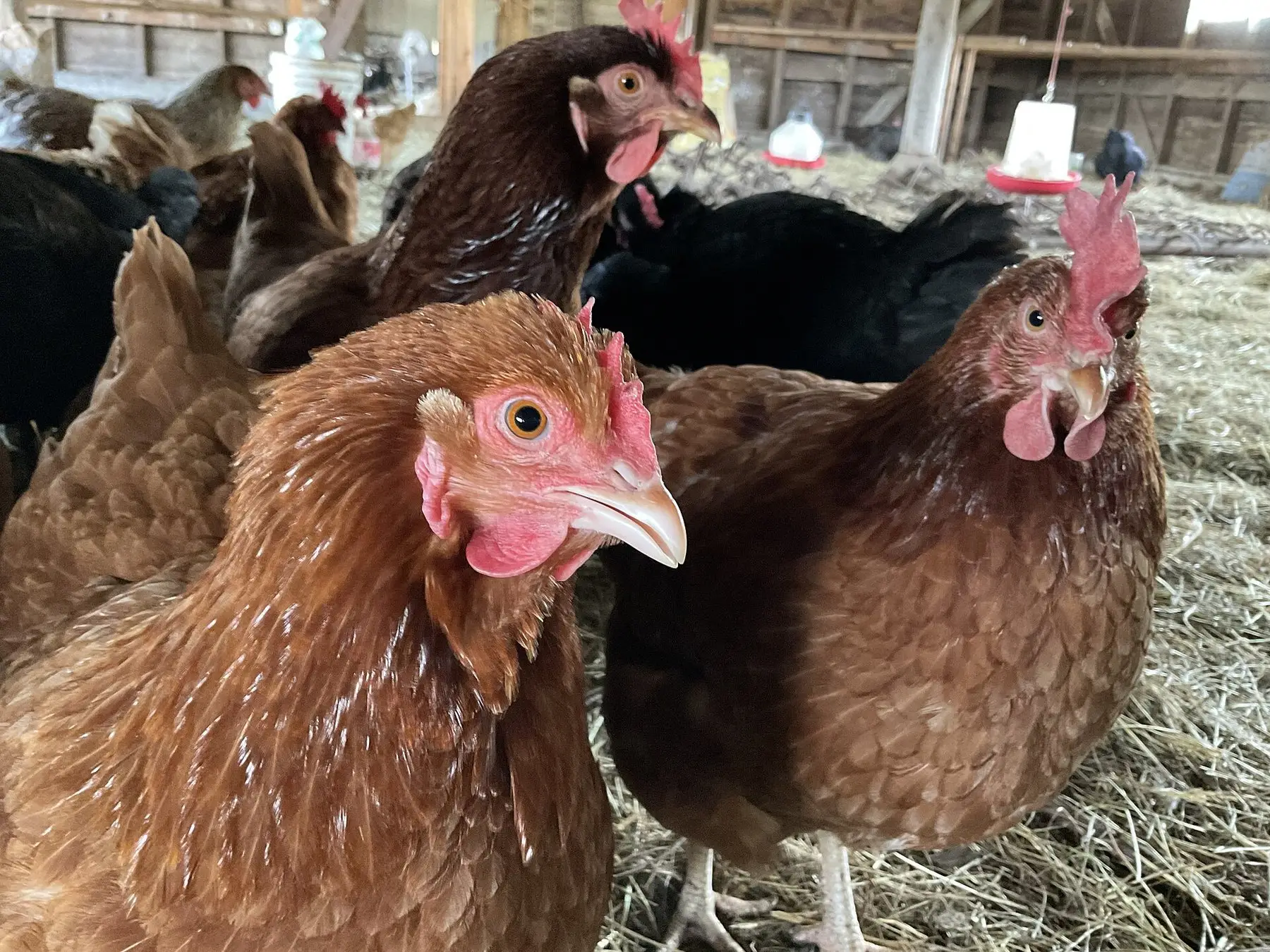
Best Chickens for Beginners — 5 Breeds Ranked on Temper
The best chickens for beginners are picked on temperament, not eggs. 5 breeds compared on noise, handling and hardiness. See which suits your yard.
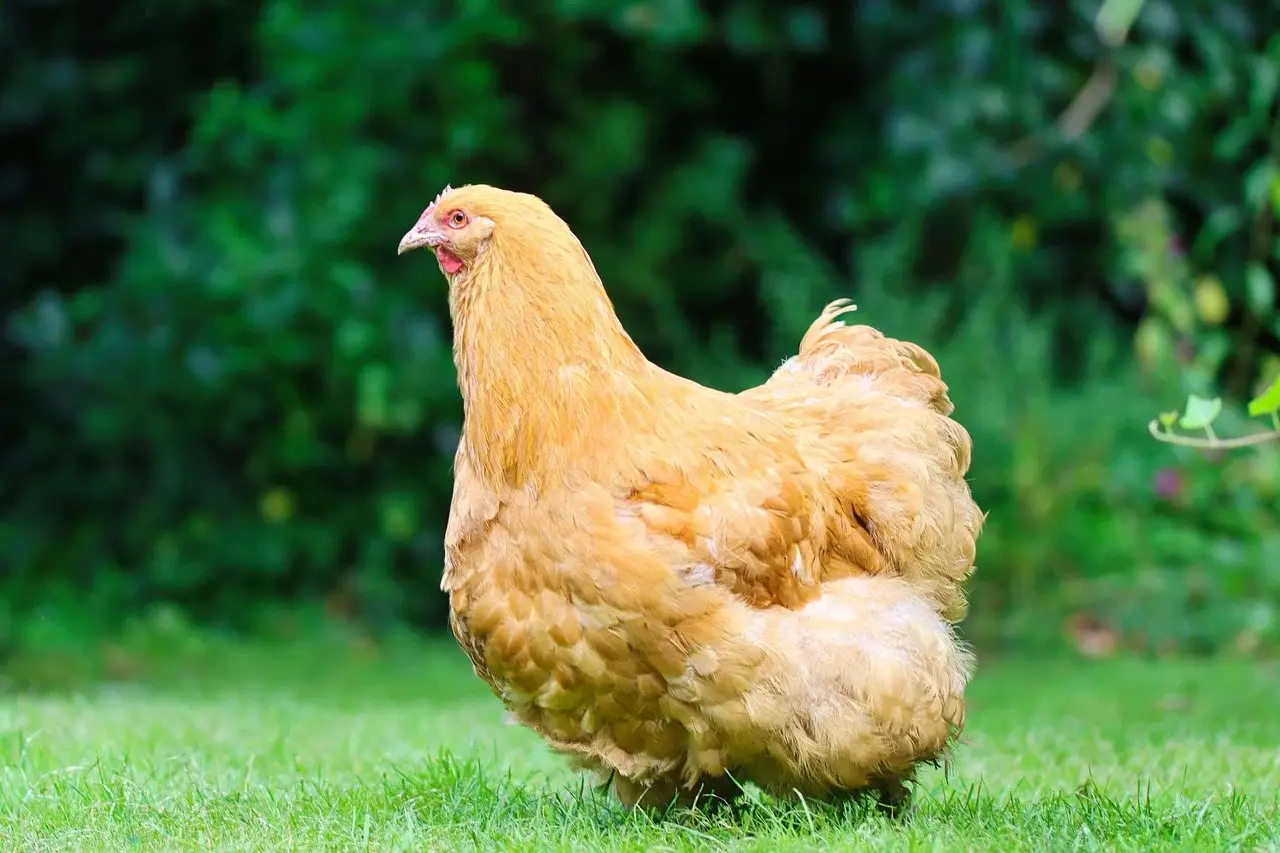
What Is the Least Aggressive Chicken? Orpington and Brahma
Buff Orpingtons, Brahmas and Cochins top every docility list. Why breed matters less than space, and the one bird that causes most flock trouble.

How to Keep Chickens Out of the Garden
Chickens will strip a vegetable bed in an afternoon. Fence the garden rather than the birds, and use the six other methods in the order that actually works.