
How to Stop Chipmunks From Digging Holes in Your Yard
Chipmunks dig where there is cover and spilled food. Remove both, use gravel barriers and hardware cloth under beds, and skip the repellents.
 By
On this page
Chipmunks dig where cover hides the entrance and food sits nearby. Remove those two and the burrowing stops; fill the holes without removing them and it does not.
Step 1: cut the food
- Spilled bird seed is the leading cause. Move the feeder, fit a seed tray, or stop feeding for a few weeks
- Fallen fruit cleared daily
- Pet food never left outdoors
- Bulbs planted in cages, or with mesh laid over the bed
Step 2: remove the cover they build under
- Woodpiles off the ground and away from walls
- Rockeries and retaining walls — pack voids with gravel rather than leaving soil pockets
- Dense foundation planting thinned so there is open ground against the wall
- Gaps under decks and steps closed with hardware cloth skirted into the soil
Step 3: make the digging hard
| measure | where |
|---|---|
| 1/4 in hardware cloth lining | Base and sides of raised beds |
| Mesh laid flat under mulch | Bulb plantings, new beds |
| Coarse gravel band, 6–8 in wide | Bed edges, along foundations |
| Wire bulb cages | Tulips, crocus and anything they dig up |
Chipmunks prefer loose material they can shift. Gravel is unpleasant to tunnel through and shows the digging immediately.
Filling a hole on its own achieves nothing
They reopen it or dig a fresh entrance within a day. Collapse the tunnel, backfill with gravel, compact it — and then remove whatever made that spot attractive, or you are back next week.
When it is worth escalating
- Burrows under a retaining wall, patio slab or steps, where washout can undermine the structure
- Burrows against a basement or foundation wall
- Repeated damage to the same bed despite mesh
Those cases justify a professional, who will remove the animal and, more importantly, pack and compact the void left behind.
Common questions
Why are chipmunks digging holes in my yard?
Are chipmunk holes actually damaging?
What keeps chipmunks out of flower beds?
Do chipmunk repellents work?
Should I fill in chipmunk holes?
Is it worth trapping chipmunks?
Backyard Weekly
Know what to plant, week by week
Join the weekly email for seasonal jobs, fixes for what is going wrong, and gear worth buying.
Not ready to subscribe? The planting calendar is free and needs no email.
By subscribing you agree to our privacy policy. Grow In Backyard will never sell your address.
Keep reading
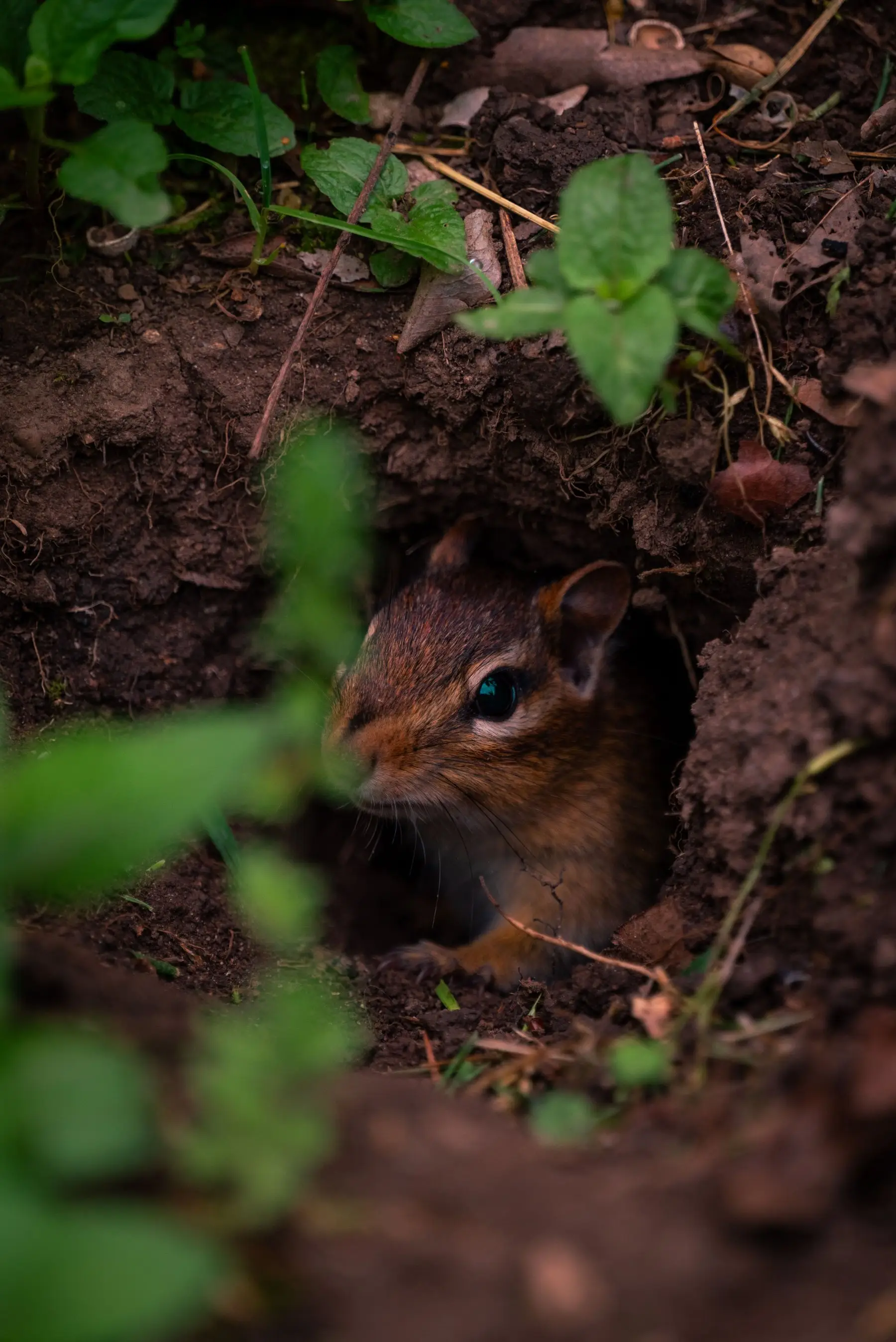
Where Do Chipmunks Sleep? Inside a Burrow You Never See
Chipmunks sleep in a nest chamber deep in a burrow system with a hidden entrance. How the tunnels are built, and what they do through the winter.
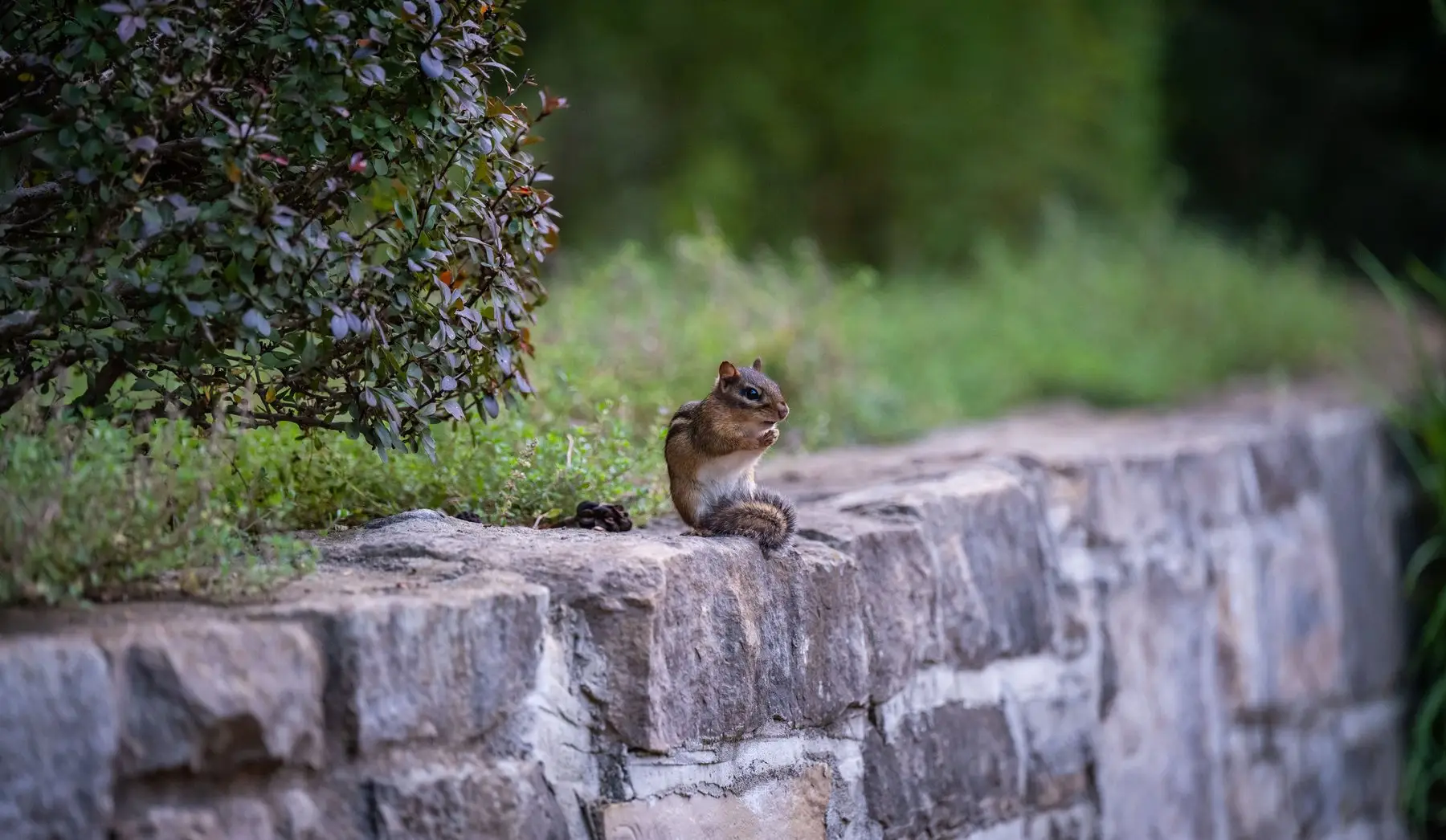
Are Chipmunks Bad to Have Around Your House? Mostly Not
Chipmunks are harmless in small numbers and useful seed dispersers. The real risk is burrowing under a patio, foundation or retaining wall.
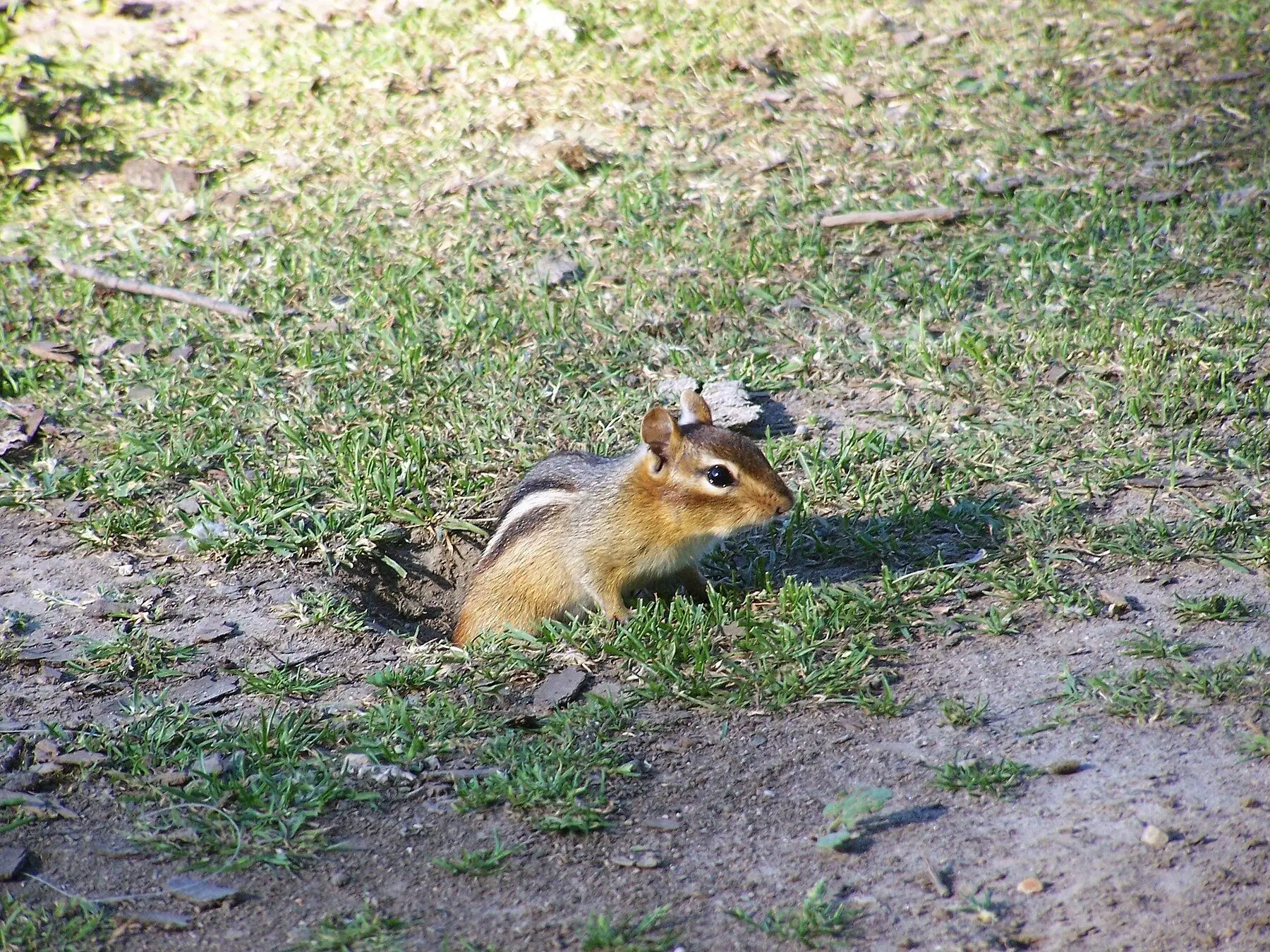
How to Fill Chipmunk Holes (and Why Filling Rarely Works)
A chipmunk reopens a filled hole in a day. What actually stops the tunnelling, how to tell a chipmunk hole from a vole or rat hole, and when to worry.
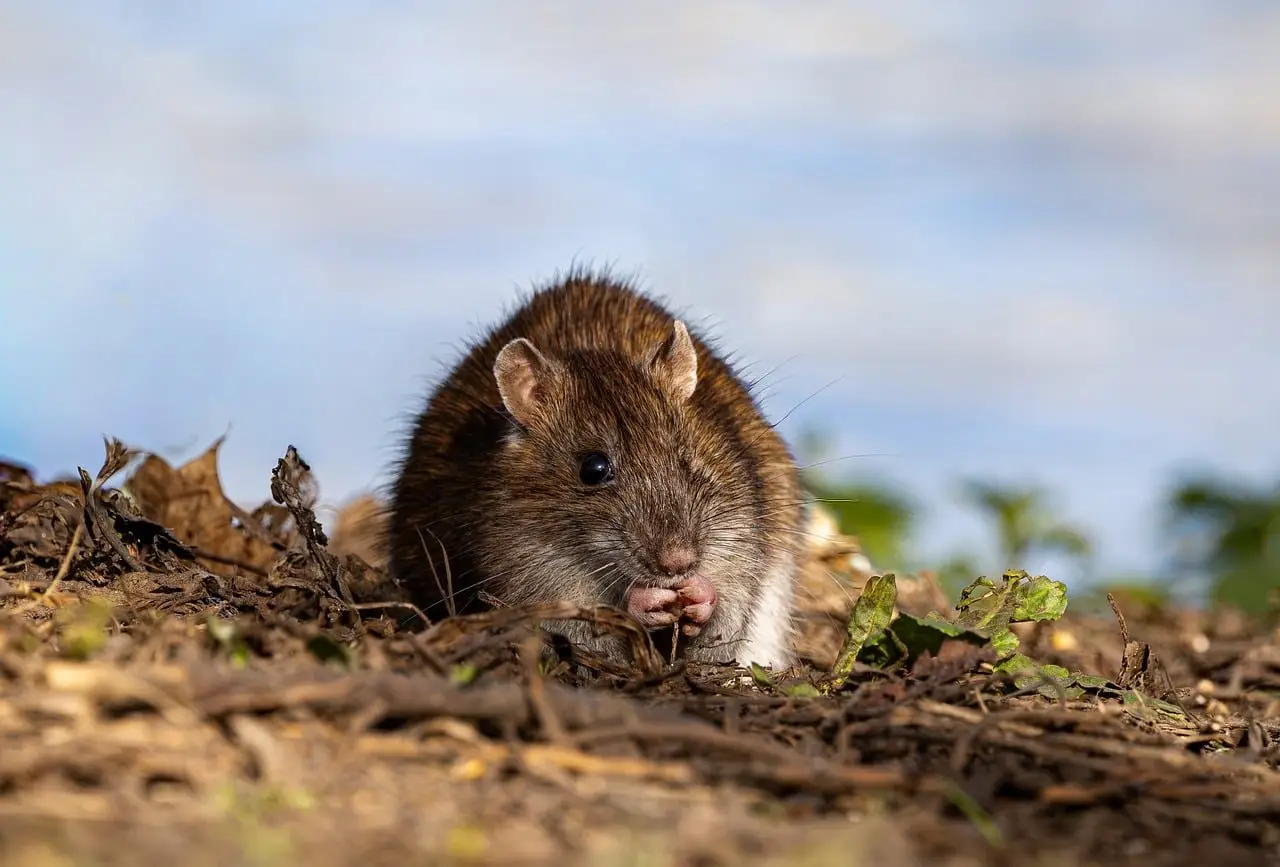
How to Stop Rats Eating Your Vegetable Garden
Rats raid a garden for food, water and cover. Remove all three, harvest earlier, and exclude with 1/4-inch hardware cloth — poison is the last resort.