
How to Repel Frogs: What Works and What Just Moves Them
Frogs come for water, insects and damp cover. Remove those three and they leave on their own — the sprays and salt tricks mostly fail or kill them.
 By
On this page
Frogs do not pick a yard at random. They arrive for water, insects and damp cover, and they leave when those go.
Step 1: take away the water
This is most of the job.
- Low spots in the lawn that stay wet for days after rain — regrade or aerate them
- Blocked gutters and downspout splash zones
- Pool and hot tub covers holding rainwater on top
- Plant saucers, buckets, wheelbarrows, tarps left where they collect
- Dripping outdoor taps and condensate lines
A pond you want to keep is a different problem: you can keep the pond and still discourage breeding by keeping the edges steep rather than shallow, since most species need shallow margins to lay in.
Step 2: cut the insect supply
Frogs sit under porch lights because that is where the moths are.
- Swap white or blue-white bulbs for warm amber LEDs, which attract far fewer insects
- Move the light off the door and onto a post further out, or fit a motion sensor
- Close curtains so indoor light does not spill onto the patio
Step 3: remove the daytime hiding places
- Mow a clear band of short grass between the lawn and the house
- Thin dense ground cover against the foundation
- Lift stacked pots, boards and bags off the soil
- Clear leaf piles from along fences and under decks
Do not use salt, bleach, vinegar or citric acid
A frog breathes through its skin, so these do not repel — they injure and kill slowly. They also leave salt or acid in soil that outlasts the frogs by a season, and in many places harming native amphibians is against the law.
Step 4: block the routes in
- Fine mesh along the bottom of a fence, buried a couple of inches
- Door sweeps on garage and basement doors
- Cover drains with grates fine enough to stop them
What to expect
Habitat changes are not instant. Expect frog numbers to fall over one to two weeks and to rise again briefly after heavy rain. If they never fall, there is water you have not found — check under the deck, in the crawl space and along the neighbouring boundary.
Common questions
What actually repels frogs from a yard?
Does salt keep frogs away?
Is there a frog repellent spray that works?
Why do I suddenly have so many frogs?
Can I just move the frogs somewhere else?
Are frogs in the yard actually a problem?
Backyard Weekly
Know what to plant, week by week
Join the weekly email for seasonal jobs, fixes for what is going wrong, and gear worth buying.
Not ready to subscribe? The planting calendar is free and needs no email.
By subscribing you agree to our privacy policy. Grow In Backyard will never sell your address.
Keep reading
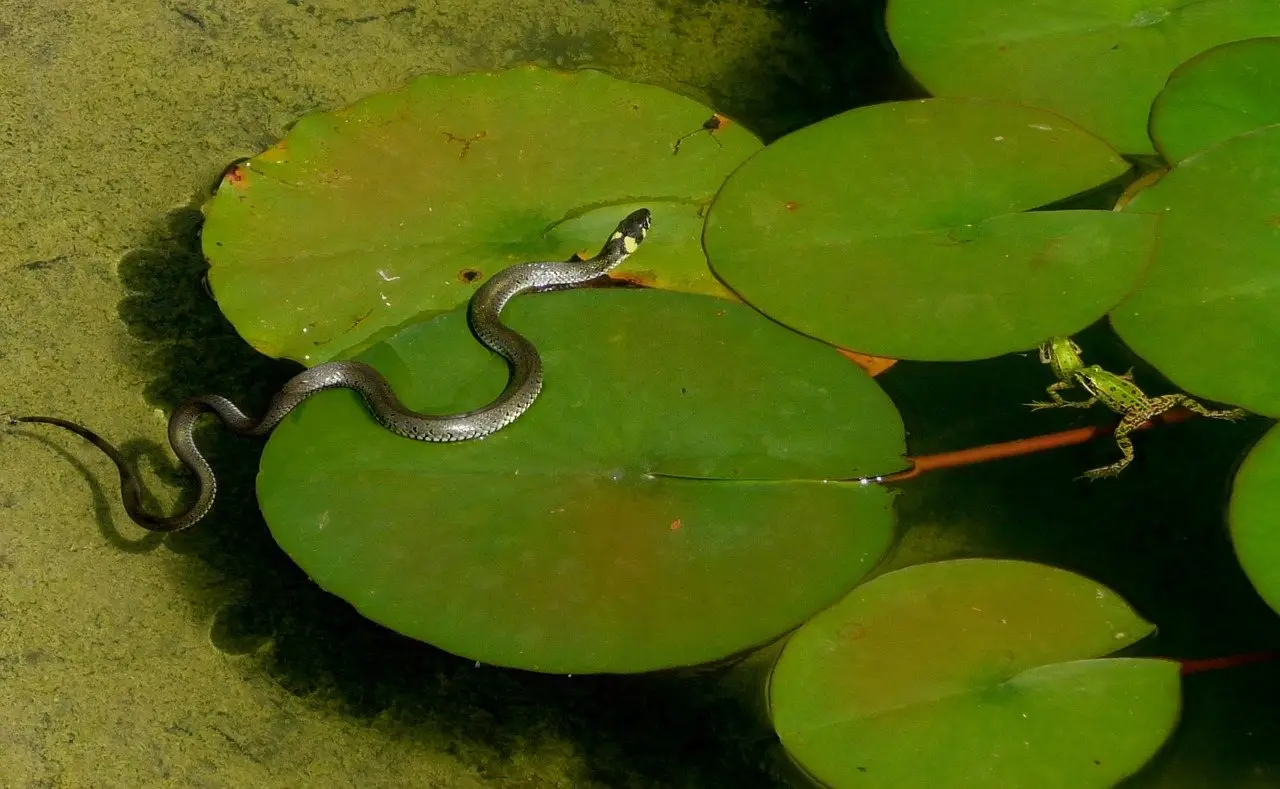
Do Frogs Attract Snakes? Yes, and What That Means
Frogs are a staple food for several common snakes, so a frog population does draw them. What it means in practice, and what to change if you mind.
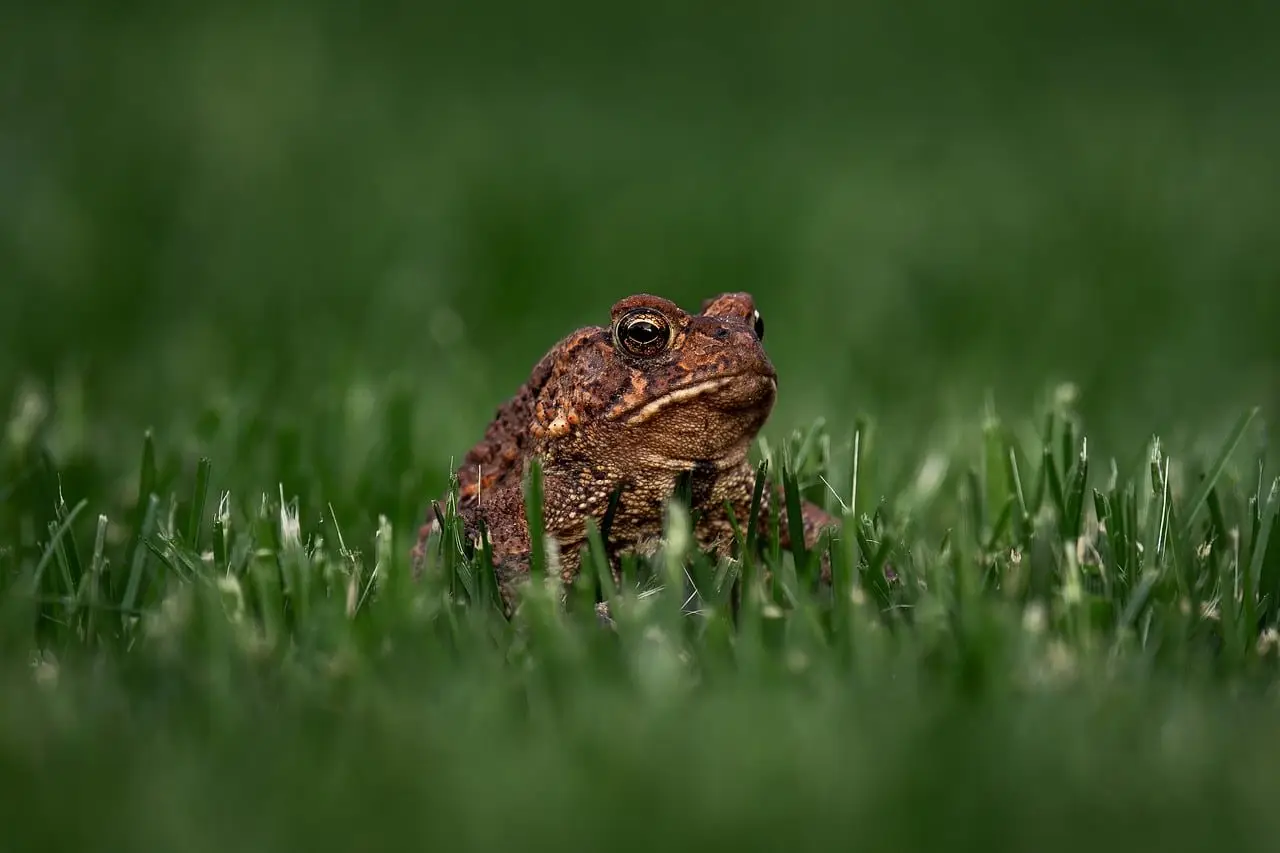
How to Keep Toads Away Without Harming Them
Toads come for insects, damp shelter and standing water. Remove those three and they leave on their own — no barrier or repellent needed.
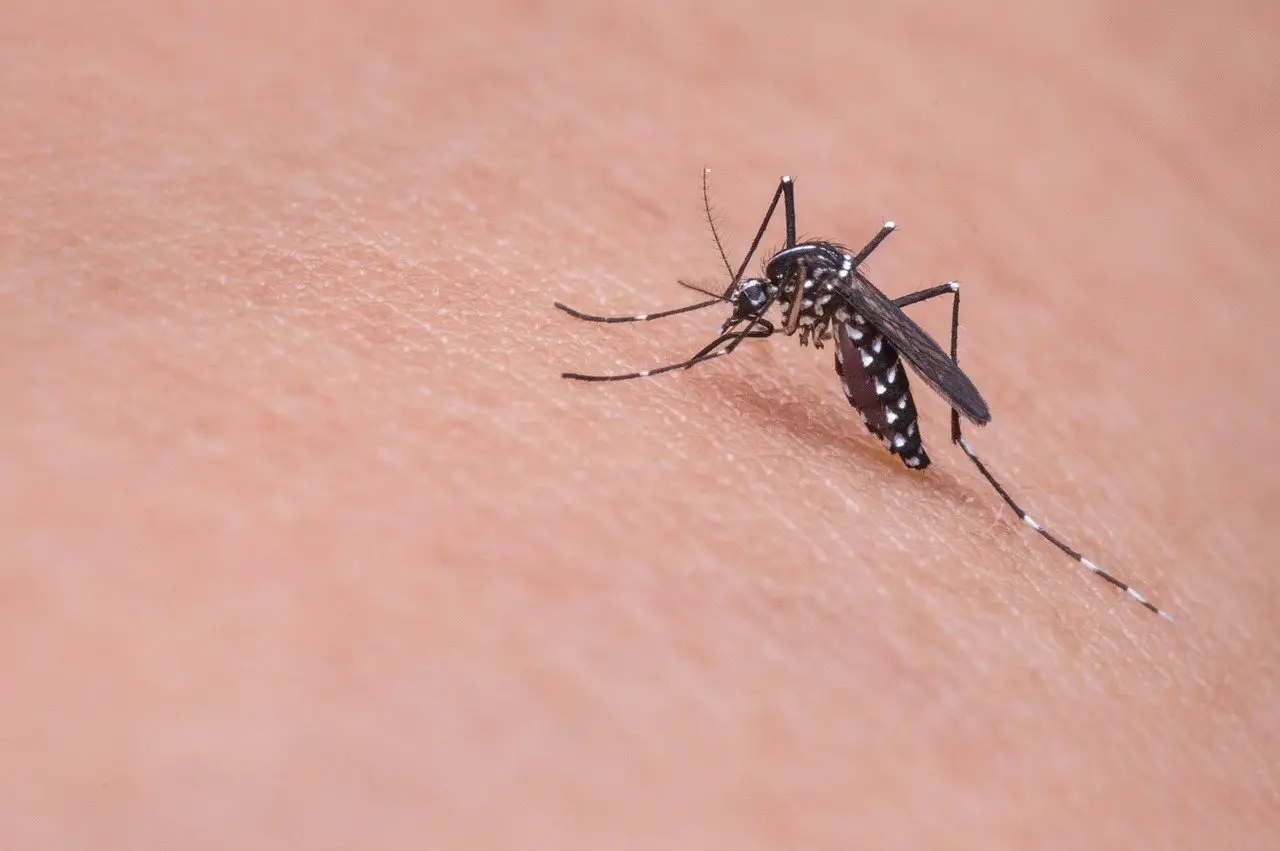
Home Remedies for Mosquitoes: What Works, What Is Folklore
Dumping standing water and running a fan genuinely work. Citronella candles, bug zappers and dryer sheets mostly do not. Sorted by evidence.

How to Stop Chipmunks From Digging Holes in Your Yard
Chipmunks dig where there is cover and spilled food. Remove both, use gravel barriers and hardware cloth under beds, and skip the repellents.