
How to Keep Frogs Away From a Pool (and Out of It)
Frogs come to a pool for light, insects and water to breed in. Remove those three draws, give them a way out, and the nightly cleanup stops.
 By

On this page
Frogs turn up in a pool for three reasons: the lights bring insects, the water is somewhere to breed, and the walls are too smooth to climb back out of. Every effective fix addresses one of those. Nothing you spray addresses any of them.
Why they are in your pool
It is almost never the pool itself. A chlorinated pool is a poor breeding site and frogs would generally pick a pond over it every time. What makes the pool win is that it is the only water in a lit, insect-rich area, and frogs hunt where the insects are.
| Draw | Why it works on frogs | The fix |
|---|---|---|
| Pool and path lighting | White light concentrates flying insects | Yellow bug bulbs, downward aim, off at night |
| Open water at night | Breeding site, hydration, cover from predators | Cover from dusk to morning |
| Damp perimeter cover | Daytime shelter within hopping distance | Clear leaf litter and dense groundcover |
| Other standing water | Produces the next generation locally | Empty saucers, gutters, sagging covers |
| Smooth vertical walls | Not a draw — a trap | Ramp or tethered noodle |
The cover does most of it
If you change one thing, change this. A cover removes the water surface during the exact hours frogs are active, and it works whether the pool is chlorinated, salt or natural.
A solar cover is enough for the frog problem specifically. A safety cover is better if you also have small children or pets, and a liquid solar cover does nothing here — it is a chemistry product, not a physical barrier.
Do not let the cover hold water
A cover that sags in the middle collects rainwater and becomes exactly the breeding puddle you were trying to remove — sitting on top of the pool, in the lit area, with nothing eating the larvae. Pump or sweep standing water off it after rain.
Lighting is the second lever
Frogs are not attracted to light. They are attracted to what the light attracts.
- Replace white and cool-white bulbs near the pool with yellow “bug light” bulbs, which pull in dramatically fewer flying insects.
- Aim path lighting down. Light thrown sideways into planting recruits insects from the whole garden.
- Leave underwater pool lights off overnight during breeding season. An illuminated pool at 11pm is the brightest insect magnet in the neighbourhood.
- Put the porch light on a motion sensor rather than leaving it on.
The escape ramp
This is the part most people skip, and it is the reason the pool needs cleaning in the first place.
A frog that gets into a pool with smooth vertical sides and no exit swims until it drowns. The mess, the odor and the blocked skimmer are all downstream of that.
What works: a commercial foam escape ramp, a pool noodle tethered so one end rests on the deck and the other floats, or a plank or towel sloped from the water to the edge. Anything with a continuous surface from the waterline up over the lip.
What does not: steps alone. A frog swimming the perimeter along a wall rarely finds them.
Frog eggs in the pool
Two shapes tell you what laid them:
- Frogs lay a clumped jelly mass, often the size of a fist, usually wedged near the steps or in a corner.
- Toads lay long paired strings of dark dots, sometimes draped across the bottom.
Net them out with a fine-mesh skimmer the morning you see them and move them to a pond, a rain barrel or a bucket of untreated water somewhere shaded. Chlorine will kill them either way, but a dead egg mass still breaks up and goes through your filter, and a hatched batch of tadpoles is a much worse cleanup than the eggs were.
Home remedies, honestly
| Remedy | Does it work? | Worth doing? |
|---|---|---|
| Salt around the perimeter | Harms frogs on contact; does not deter arrivals | No — damages plants and hardscape |
| Vinegar spray | Mild irritant, washes off, reapplied constantly | No |
| Coffee grounds | Some anecdotal deterrent effect on soil | Harmless, marginal |
| Citric acid products | Marketed for frogs; evidence is thin | Rarely worth the cost |
| Essential oil sprays | Wash off in the first rain or sprinkler cycle | No |
| Snake-repellent granules | Sold for snakes, does nothing for frogs | No |
The pattern is consistent: anything strong enough to genuinely repel a frog through its skin is strong enough to be a welfare problem, and everything gentle enough to be acceptable is too weak to matter against a lit pool on a warm night.
When to leave them alone
Getting frogs out of the pool is worth doing for their sake as much as yours. Getting rid of them from the yard usually is not.
Frogs and toads eat mosquitoes, slugs, beetles and cutworms in quantity, they are declining across most of their range, and a yard that supports them is a yard with fewer of the pests you would otherwise be spraying for. The version of this that works for everyone is a covered, dark pool and a damp, planted corner somewhere else — ideally with a small pond, which pulls frogs away from the pool better than any deterrent does.
It really is the pool, not the frogs
Frogs and toads are searched for removal 99% of the time, and reading the phrases shows why: the dominant terms are all about pools rather than gardens. More in our backyard animal search report.
Step by step
- Time
- P3D
- Cost
- $40
- You need
- Pool cover, solar cover or safety cover, Yellow "bug light" bulbs for nearby fixtures, A pool-safe escape ramp, or a pool noodle tethered at the edge
- Tools
- Fine-mesh skimmer net
Cover the pool overnight
A cover is the single most effective step, because it removes the water surface frogs land on, breed in and drown in. Overnight is when almost all of it happens, so a cover used only from dusk to morning solves most of the problem on its own.
Change the lighting around the pool
White and blue-toned lights pull in the insects frogs are hunting. Swap nearby fixtures for yellow bug bulbs, aim path lighting downward, and leave underwater pool lights off at night during the breeding season.
Give frogs a way out of the water
Smooth vertical pool walls are a trap. A foam ramp, a tethered pool noodle or a plank sloped into the water lets a frog climb out by itself — which prevents the drownings that cause most of the mess and the smell people are actually complaining about.
Remove standing water everywhere else in the yard
Saucers under pots, clogged gutters, a sagging pool cover holding rainwater, a wheelbarrow, low spots that puddle for more than a couple of days. Every one of them is a breeding site that keeps producing the frogs arriving at your pool.
Dry out the perimeter
Clear leaf litter, thick damp groundcover and stacked debris within a few feet of the pool deck and porch. Frogs shelter in cool damp cover during the day and move to the water at dusk; taking away the daytime shelter reduces how many are close enough to bother.
Skim eggs out the same morning you find them
Frog eggs appear as a clear jelly mass or a loose string of dots, usually near the steps or against the wall. Lift them out with a fine-mesh net and move them to a pond or a bucket of untreated water. Chlorinated pool water kills them, but the dead mass still clogs the skimmer.
Common questions
How do I keep frogs out of my pool?
Will chlorine kill frogs in a pool?
What are the clear jelly blobs in my pool?
Do home remedies keep frogs out of a pool?
How do I keep frogs off the porch as well?
Should I get rid of frogs at all?
Backyard Weekly
Know what to plant, week by week
Join the weekly email for seasonal jobs, fixes for what is going wrong, and gear worth buying.
Not ready to subscribe? The planting calendar is free and needs no email.
By subscribing you agree to our privacy policy. Grow In Backyard will never sell your address.
Keep reading
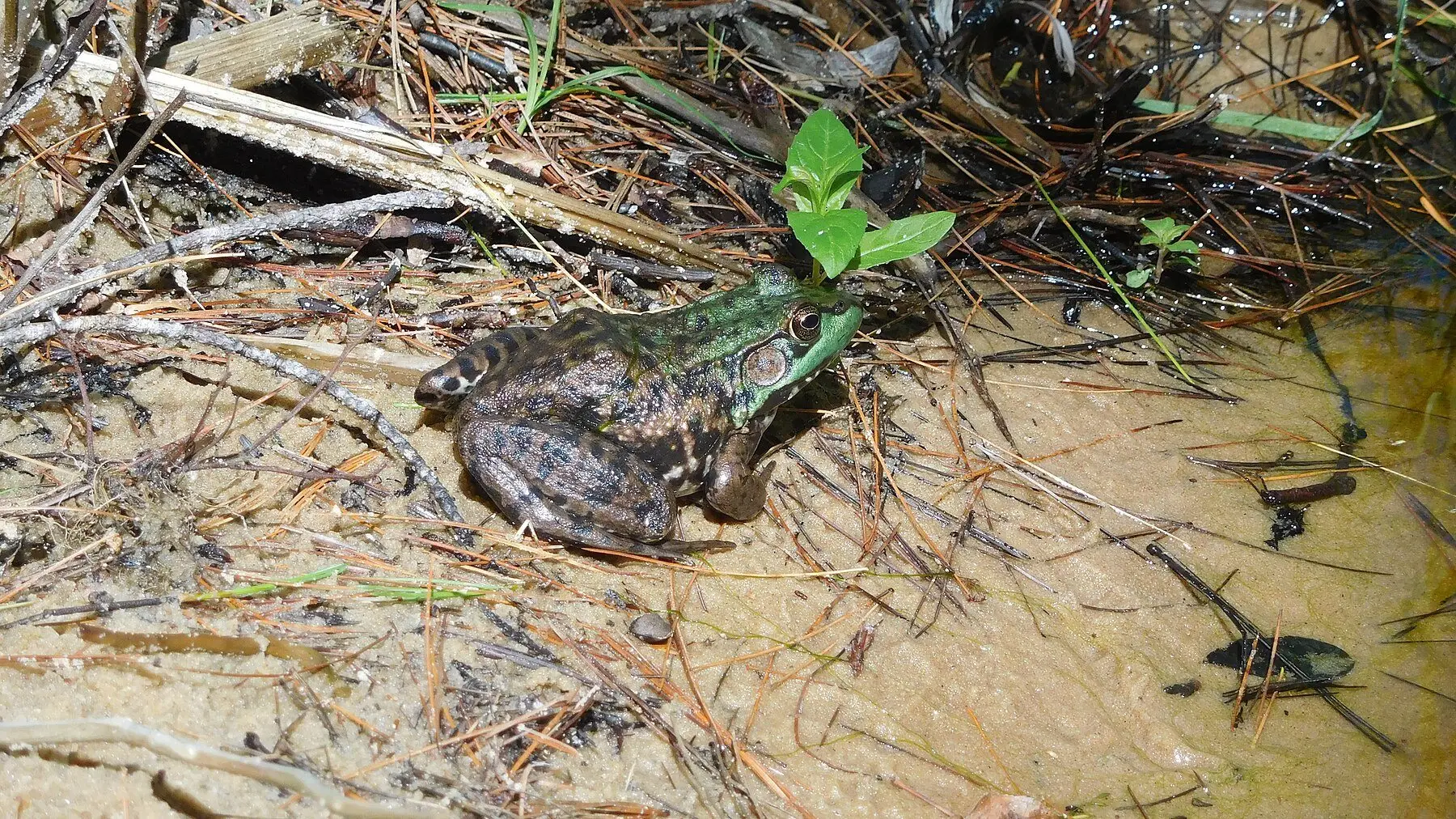
How to Get Rid of Frogs — 3 Fixes That Cut the Draw
How to get rid of frogs starts with the water and light drawing them in. 3 fixes compared for yards and pools. See which matches your problem.
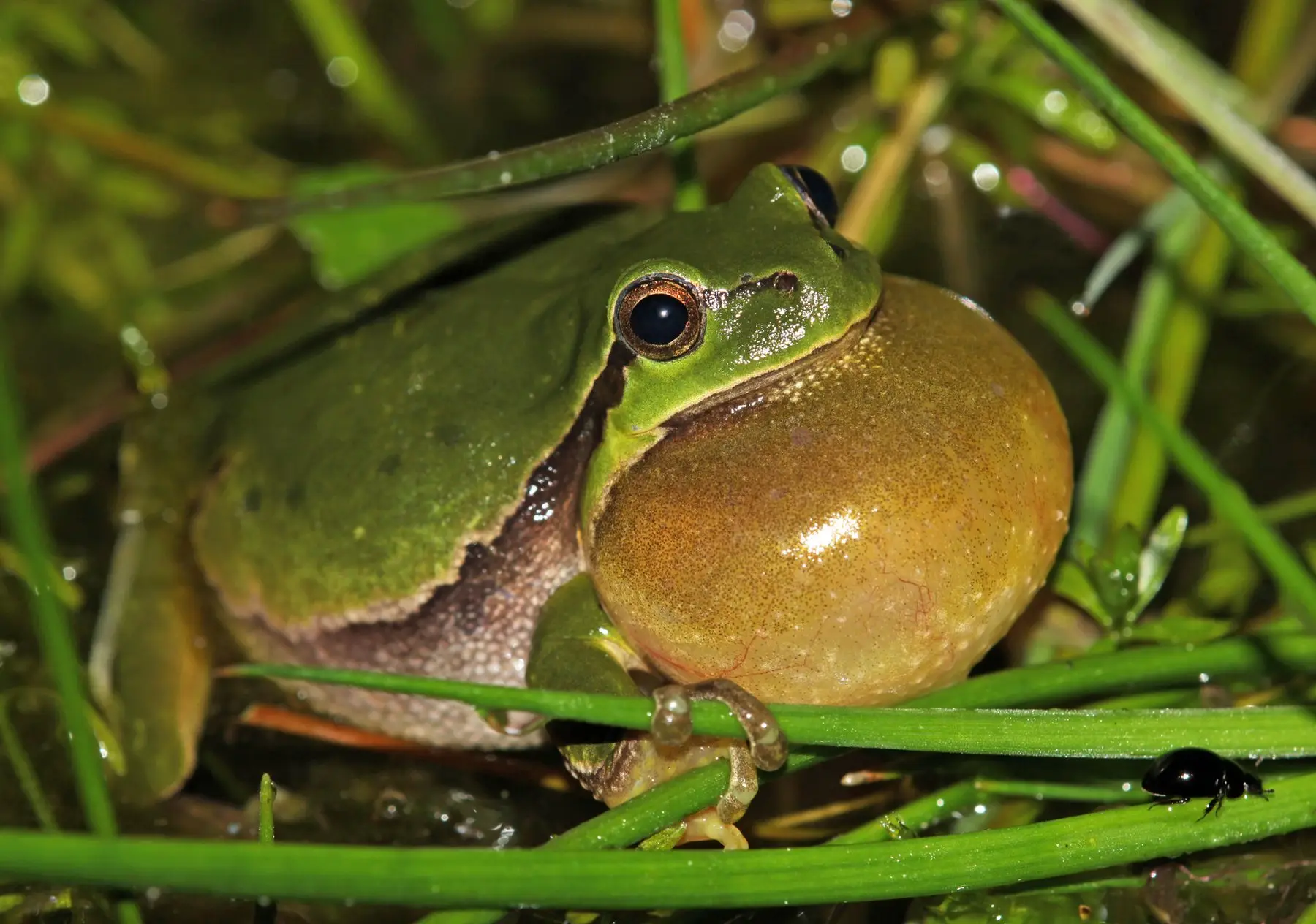
How to Stop Frogs Croaking at Night in Your Yard
Croaking is breeding calling, and it stops when the breeding water does. What works, why sound deterrents do not, and how long the season actually lasts.
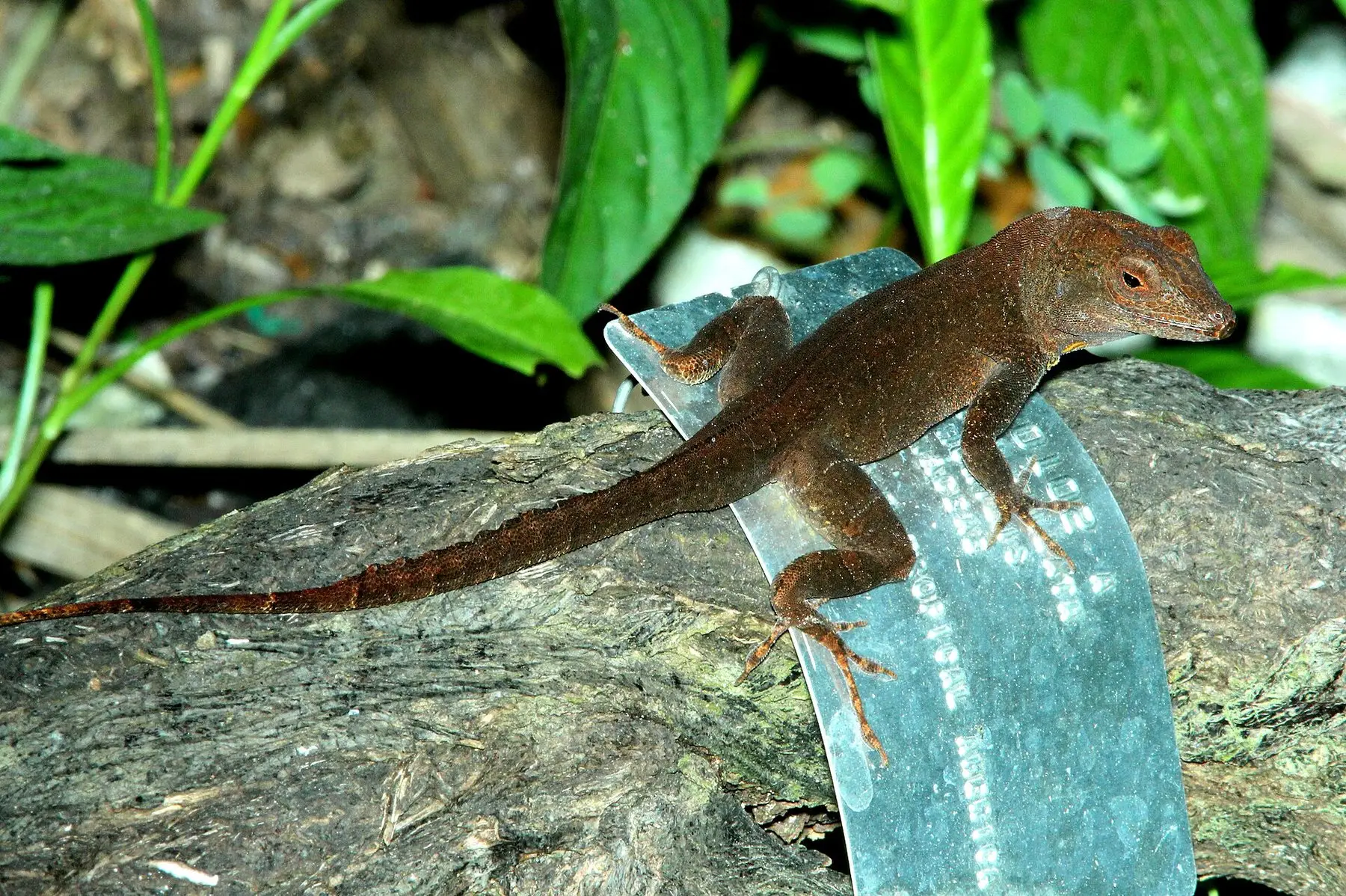
What Do Backyard Lizards Actually Eat?
Wild lizards in a garden are almost entirely insect-eaters, not the varied diet pet-care sites describe. What they hunt, and what draws more of them to your yard.
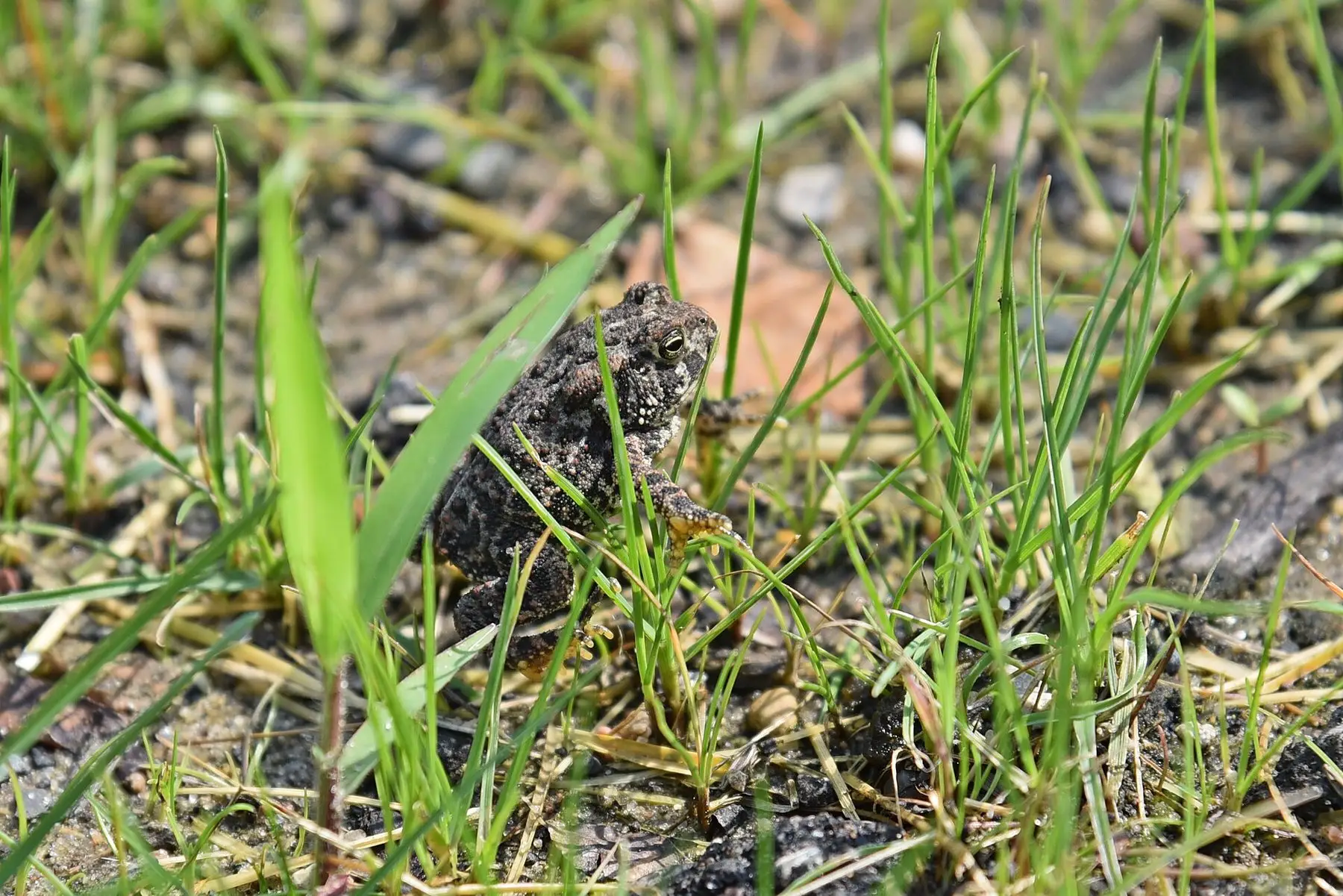
How to Keep Toads Away Without Harming Them
Toads come for insects, damp shelter and standing water. Remove those three and they leave on their own — no barrier or repellent needed.