
How to Keep a Caterpillar Until It Becomes a Butterfly
Caterpillars need the exact host plant they were found on and nothing else. Container, fresh leaves daily, and the mistakes that kill a chrysalis.
 By

On this page
The single thing that decides whether this works: feed it leaves from the exact plant you found it on. Most caterpillars can eat one plant family and will starve beside anything else.
Host plants — the part that matters
| Caterpillar | Host plant |
|---|---|
| Monarch | Milkweed only (Asclepias) |
| Black swallowtail | Parsley, dill, fennel, carrot tops, rue |
| Eastern tiger swallowtail | Wild cherry, tulip tree, ash, birch |
| Painted lady | Thistle, mallow, hollyhock |
| Red admiral | Nettle |
| Cabbage white | Brassicas — cabbage, kale, nasturtium |
| Peacock, small tortoiseshell | Nettle |
| Luna, polyphemus moth | Birch, walnut, hickory, oak |
If you did not note the plant, put it back
A caterpillar removed from an unidentified plant is very likely to die, because you cannot guess your way to the right leaf. Returning it to roughly where it was found is far kinder than a week in a jar refusing everything you offer.
And never substitute lettuce or fruit. It is not that they prefer their host plant — most physically cannot digest anything else.
The setup
- Container: tall rather than wide, with real ventilation — a mesh enclosure, or a jar with a muslin or fine-mesh lid held with an elastic band. Not a sealed lid with a few holes.
- Headroom: at least three times the caterpillar’s length, and more is better. The emerging butterfly has to hang and expand its wings, and a short container produces a deformed adult.
- Floor: paper towel, changed daily. It makes cleaning droppings trivial.
- A twig or rough stick leaning against the side, plus mesh at the top — pupation needs something to grip.
- Position: indirect light, room temperature. Never a sunny windowsill or near a radiator; a closed container in sun cooks in minutes.
- No water dish. They get moisture from leaves, and a dish is a drowning hazard. Mist the leaves lightly if the air is very dry.
Daily routine
- Fresh leaves every day. Wilted leaves are refused and mouldy ones are dangerous.
- Remove droppings — “frass” — every day. This is the main source of mould.
- Move the caterpillar with the old leaf, or nudge it with a soft paintbrush. Never pull one off a surface; the feet grip hard enough that pulling causes injury.
- Keep leaf stems in a little water in a covered container if you like, but seal the opening around the stem so the caterpillar cannot fall in.
- Watch for moulting. A caterpillar that sits motionless for a day, sometimes with a slightly dull look, is preparing to shed its skin. Do not disturb it, and do not assume it is dying.
Wash shop-bought leaves, and be careful where you pick
Parsley or fennel from a supermarket or garden centre very often carries systemic insecticide, which no amount of washing removes. Nursery plants are frequently treated too.
Pick from a garden you know is unsprayed, or grow the host plant yourself. Roadside verges are also worth avoiding for spray drift.
The chrysalis stage
- The caterpillar stops eating, wanders restlessly looking for a site, then attaches
- It hangs in a J shape for a day or so before pupating — this is normal, not distress
- Do not move or touch the chrysalis. If one detaches, it can sometimes be rehung with a dab of glue on the silk pad, but success is mixed
- Expect one to three weeks, temperature-dependent. Monarchs are usually 9 to 14 days in warm weather
- The chrysalis often turns dark and transparent a day before emergence, and the wing pattern becomes visible through it. That is imminent success, not death
If nothing happens for weeks
Some species overwinter as a pupa and will not emerge until spring. Indoors, warmth can trick one into emerging in midwinter with nothing to feed on.
If it is late in the season and the chrysalis has gone quiet, move it somewhere cold, sheltered and unheated — an unheated shed or garage, in a ventilated container safe from mice — and let it come out in spring.
Emergence and release
This is where most preventable damage happens.
- The butterfly emerges with small crumpled wings and hangs, pumping fluid into them
- It needs several hours, undisturbed, hanging freely
- Do not touch it, move it, or offer it food during this
- A butterfly that cannot hang — or that is handled — gets permanently deformed wings
Release once the wings are fully expanded, dry and held together:
- A warm, dry day, ideally morning
- Near flowers, so it can feed immediately
- Outdoors, close to where the caterpillar was found
- Not in rain, cold, wind or darkness — keep it another day with a slice of orange or a sugar-water soaked cotton pad if the weather is bad
The honest caveat
Wild survival is low, which is what makes this worth watching. But rearing at scale is discouraged by conservation groups — it can spread disease such as OE in monarchs and can produce weaker adults than wild-reared ones.
One or two caterpillars, watched properly by a child, is a good thing to do. Planting host plants and leaving them alone does far more for butterfly numbers than any amount of rearing.
Common questions
How do I keep a caterpillar until it becomes a butterfly?
What do I feed a caterpillar?
How long does a caterpillar take to become a butterfly?
Why did my caterpillar die?
What do I do when the butterfly emerges?
Is it better to leave caterpillars outside?
Backyard Weekly
Know what to plant, week by week
Join the weekly email for seasonal jobs, fixes for what is going wrong, and gear worth buying.
Not ready to subscribe? The planting calendar is free and needs no email.
By subscribing you agree to our privacy policy. Grow In Backyard will never sell your address.
Keep reading
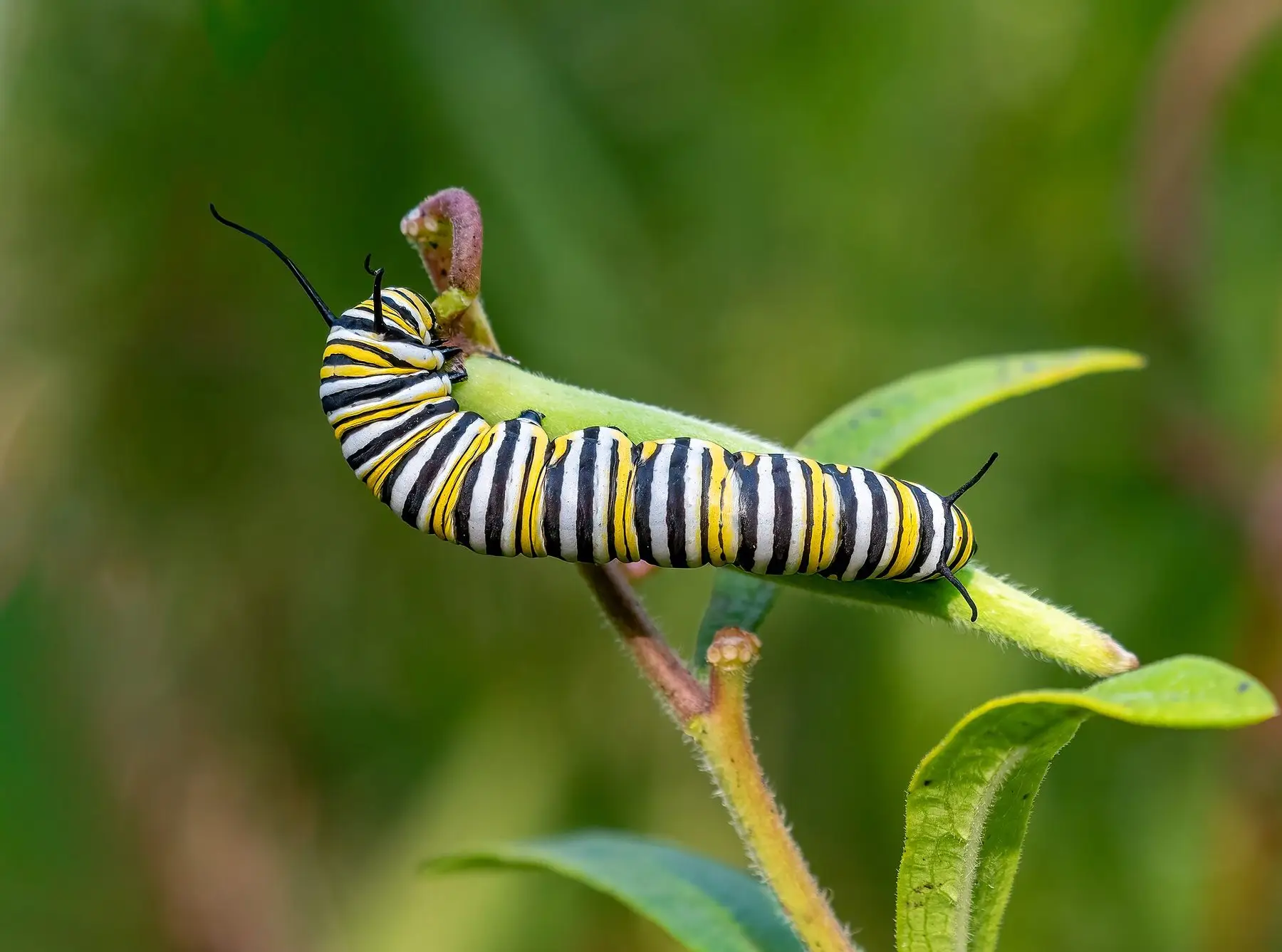
What Butterflies Need to Survive in a Backyard
Nectar flowers feed adult butterflies but cannot raise any. Caterpillars only eat specific host plants — that gap is why most butterfly gardens stay empty.
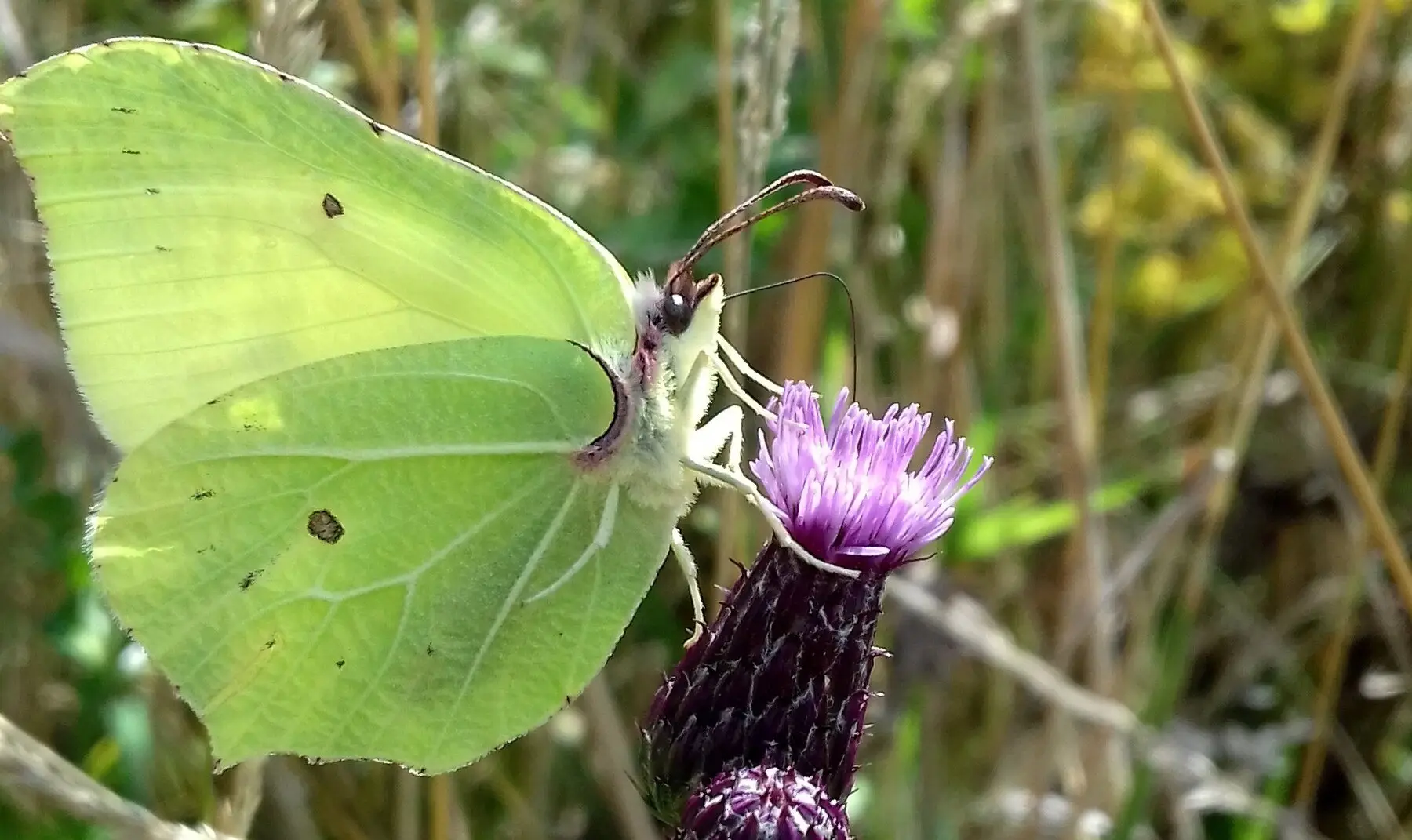
What to Feed Butterflies (And How to Get One to Land on You)
Butterflies drink rather than eat — nectar, fruit juice and mineral-rich mud. A sugar-water feeder, a fruit plate, and the reason yellow and purple work.
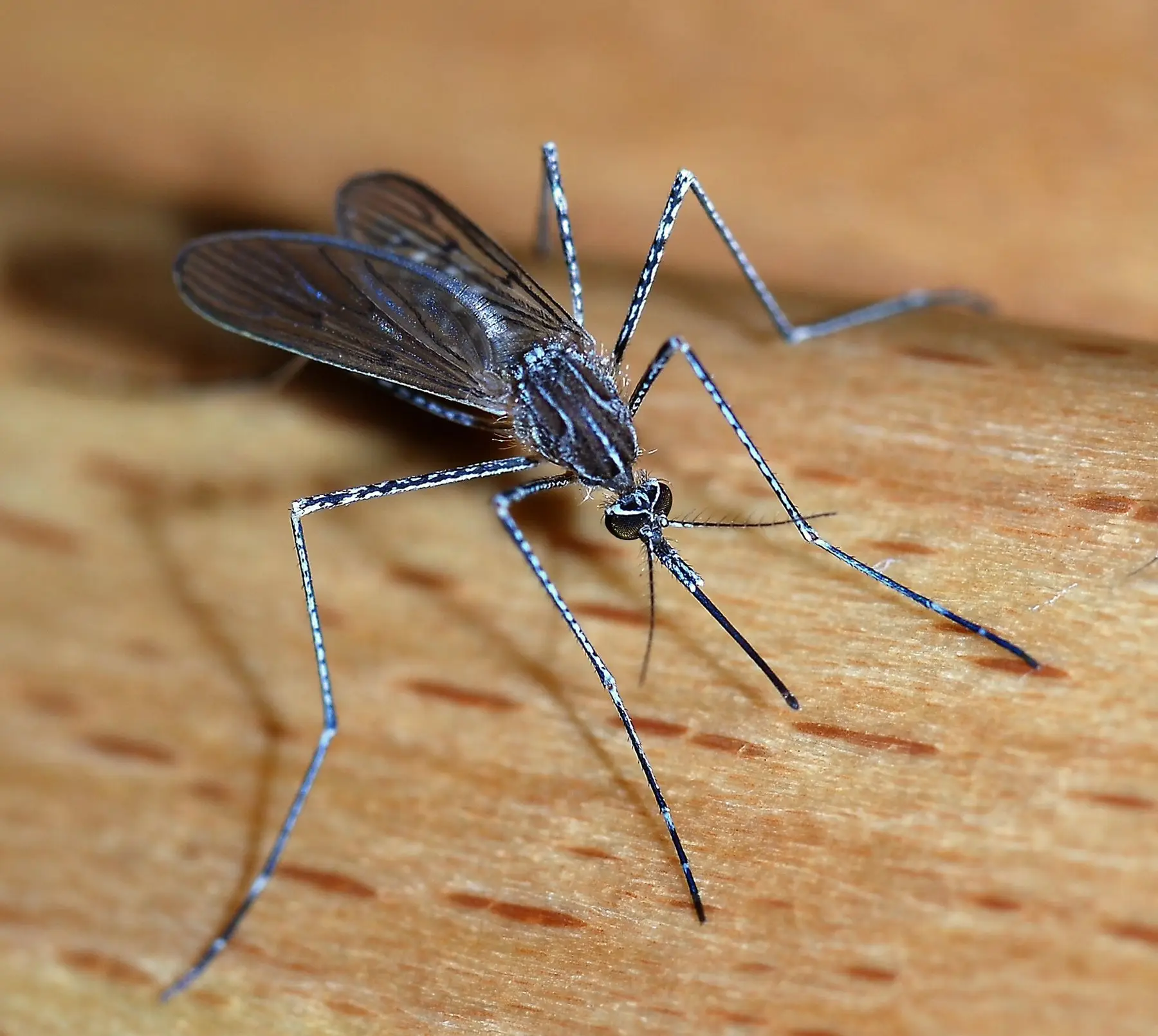
Plants That Repel Mosquitoes — 4 Fixes That Beat Them
Plants that repel mosquitoes barely work unless you crush the leaves. 4 measures compared, starting with standing water. See which suits your yard.
How to Keep Birds From Nesting on a Porch, Deck or Ledge
Deter birds before they build, because once eggs are laid the nest is protected by law. Physical blocking, timing, and what deterrents fail at.