
How to Help a Hummingbird That Can't Fly
Most grounded hummingbirds are in torpor, chilled, or stunned by a window — not injured. The triage sequence, and the sugar ratio that is safe to offer.
 By
On this page
Most grounded hummingbirds are torpid, chilled or window-stunned — not injured. Warmth, quiet and an hour fix the majority. The mistakes that kill them are force-feeding and handling.
Step 1: make it safe
- Bring cats and dogs indoors. This is the single most useful thing you can do
- If it is in a road or a path, move it — cup it loosely in a hand or scoop it onto a soft cloth
- Weigh almost nothing. A grip that feels gentle to you can crush a bird of a few grams. Cup, do not hold
Step 2: warm, dark, quiet
Put it in a small ventilated box with a soft cloth in the bottom, somewhere warm and away from noise. Dark reduces stress enormously in a bird.
- Gentle indirect warmth — room temperature is usually enough; a covered warm water bottle under one end if it is cold
- Air holes, and nothing it can get tangled in
- Leave it alone. Checking every five minutes is itself stressful
Torpor looks like death
A torpid hummingbird is cold to the touch, unresponsive and may hang upside down from a perch. It can take twenty minutes or more to rouse. Birds in this state have been thrown away as dead. Give it the full hour before concluding anything.
Step 3: tell torpor from injury
| torpor / stun | injury | |
|---|---|---|
| Wings | both held the same | one drooping, dragging, or held out |
| Feet | grips when offered a finger | one foot weak or curled |
| Over an hour | steadily more alert | no change |
| Head | gradually lifts, eyes open | may tilt to one side |
| Blood | none | visible, even a trace |
Step 4: offer sugar water, do not force it
If the bird is alert enough to lift its head:
- One part white granulated sugar to four parts water. Dissolve, cool to room temperature
- No dye, no honey, no brown sugar, no artificial sweetener. Honey ferments and causes fatal fungal infections
- Offer it in a bottle cap set beside the bird, or on the tip of a dropper held near the bill
- Let the bird drink. Never squirt into the mouth — an aspirating hummingbird dies fast
- If it does not drink, do not persist. A bird too weak to drink needs a rehabilitator
Step 5: release, or call
After about an hour, take the box outside to a sheltered spot near flowers or a feeder, open it, and step back. A recovered bird leaves immediately and vertically.
Call a licensed wildlife rehabilitator if:
- It still cannot fly after an hour
- A wing is drooping or held asymmetrically
- There is any blood
- A cat caught it — cat saliva causes fatal infection in small birds within days, and the bird needs antibiotics even if the wounds look trivial
- It is a nestling or a fledgling out of a nest
Your state or regional wildlife agency keeps the list. In most places keeping a hummingbird, even briefly, requires a licence — and hummingbirds are protected under migratory bird law in North America, so the rehabilitator route is the legal one as well as the effective one.
Preventing the window strikes
Window collisions are the one cause on this list you can design out.
- External patterns on the glass at roughly 2-inch spacing — tape, decals, or cord screens. Spacing matters more than the design
- Move feeders either within 3 ft of the window or more than 30 ft away. The dangerous zone is the middle distance, where a bird has room to build speed
- Break up reflections — screens, netting, or external shades
- Internal stickers do very little. The reflection the bird sees is on the outside face
Common questions
Why can't my hummingbird fly?
How do I tell torpor from injury?
What should I feed a grounded hummingbird?
Can I pick up a hummingbird?
How long should I wait before calling for help?
Why do hummingbirds end up on the ground in the morning?
Backyard Weekly
Know what to plant, week by week
Join the weekly email for seasonal jobs, fixes for what is going wrong, and gear worth buying.
Not ready to subscribe? The planting calendar is free and needs no email.
By subscribing you agree to our privacy policy. Grow In Backyard will never sell your address.
Keep reading
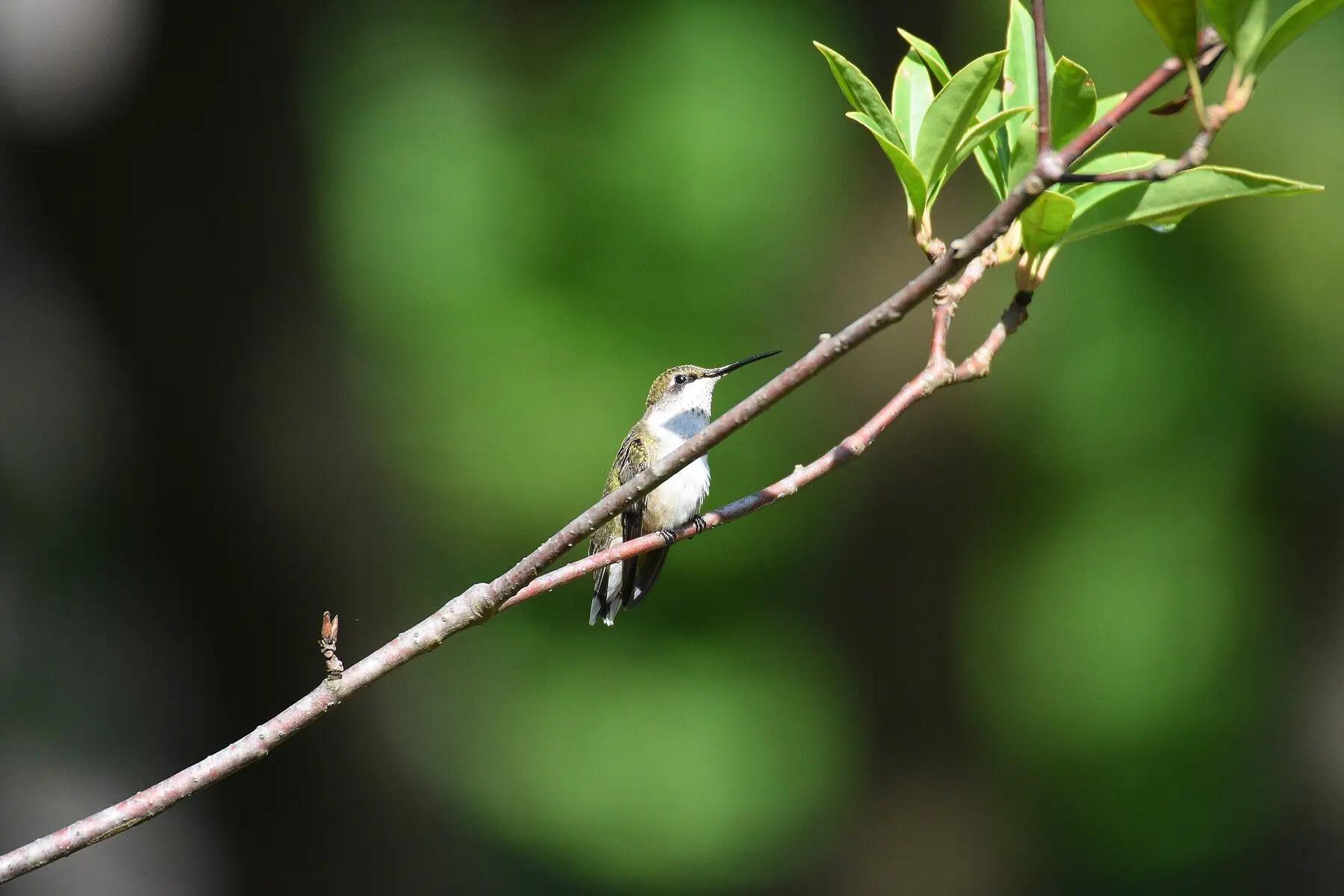
Can Hummingbirds Stop Flying? Yes — and They Do It Often
The reputation is wrong, and what they do for most of the day surprises people. Why they cannot walk, and how torpor differs from ordinary rest.
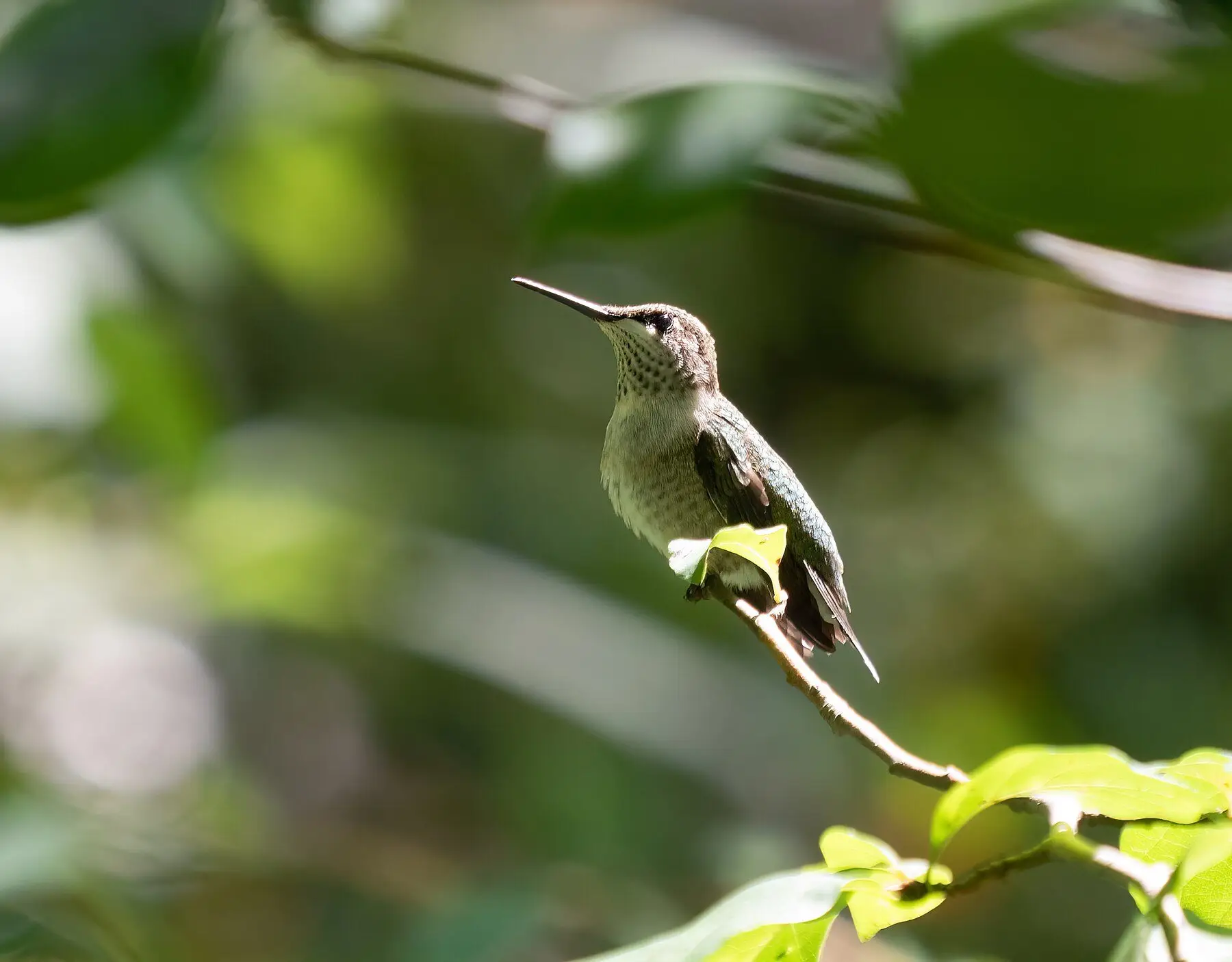
How Do Hummingbirds Die? Causes, Lifespan and What You Can Fix
Most hummingbirds die in their first year, and the biggest causes are ones a garden can influence — windows, cats, dirty feeders and pesticides.
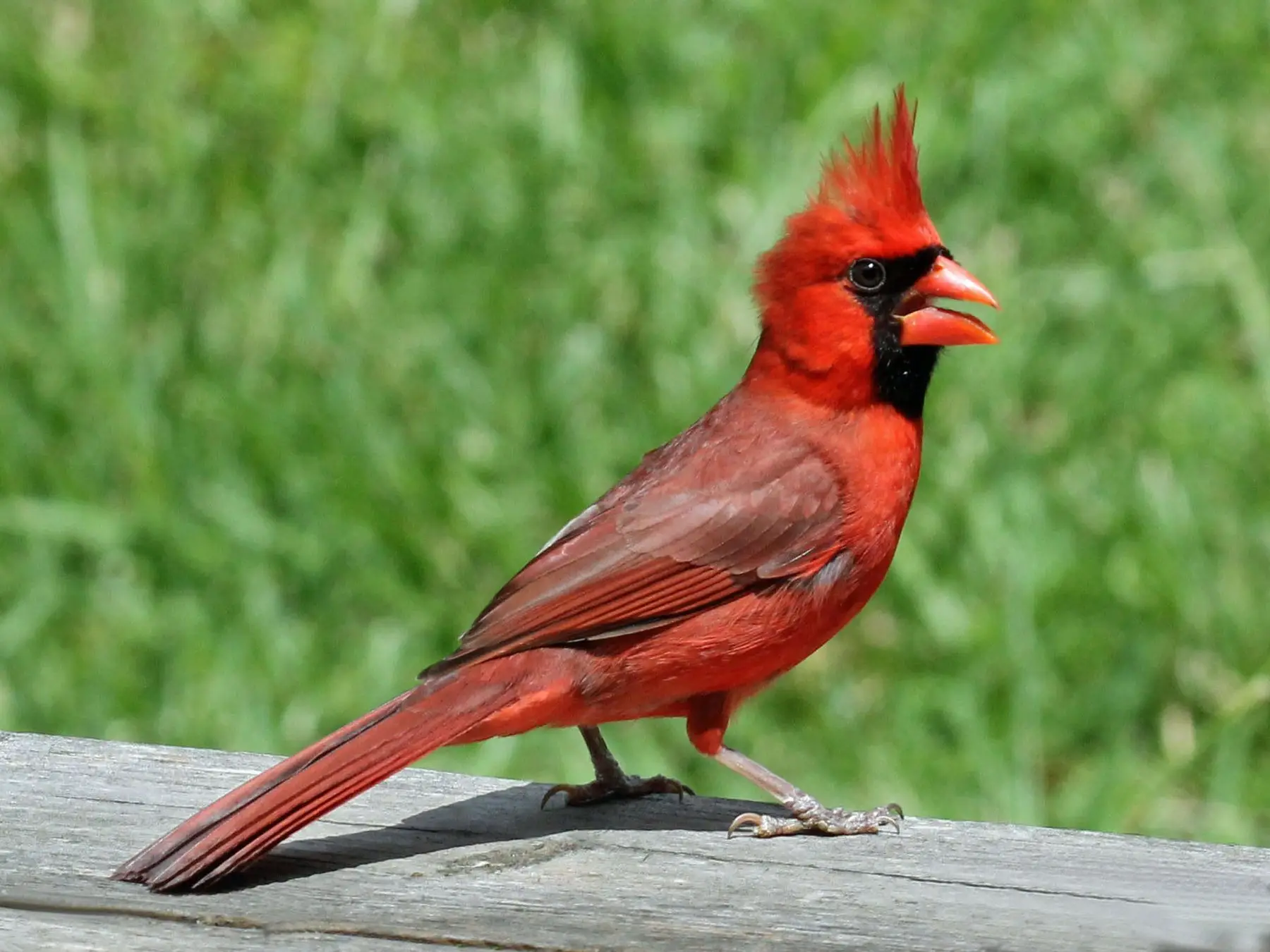
Cardinal Flying Into Window: Why It Happens and How to Stop It
A cardinal attacking a window is fighting its own reflection, usually in spring. Why it targets cardinals specifically, and the fix that actually works.
How to Keep a Bird Bath From Freezing, Without a Heater
Open water matters more than food in a freeze. Heated baths, de-icers, dark basins and the ball trick compared — plus what never to put in the water.