
How Are Squirrels Able to Climb Trees? Ankles That Rotate
Hind ankles that swivel 180 degrees let them descend head-first. The claws, the tail and the grip that make vertical bark walkable.
 By
On this page
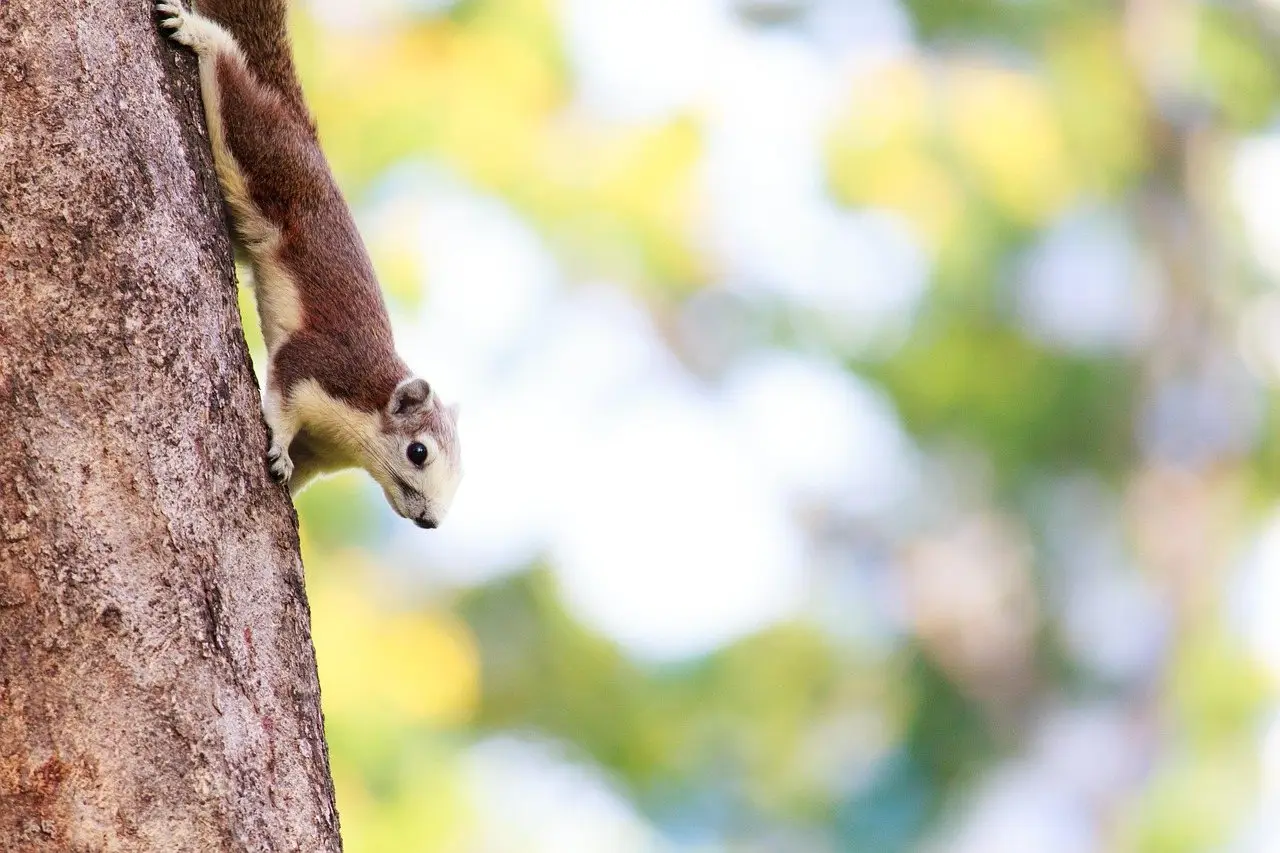
The remarkable part is not the claws. It is that a squirrel’s back ankles rotate right around, so it can hang from its hind feet and walk down a trunk head-first.
The four parts
| feature | job |
|---|---|
| Reversible hind ankles | hang from the back feet; descend head-first |
| Sharp curved claws | hook bark, render, timber, mesh |
| Low mass, strong limbs | vertical movement costs little |
| Long bushy tail | counterweight, air brake, righting |
What they can and cannot climb
| surface | climbable |
|---|---|
| Bark, timber, render, brick | yes |
| Downpipes, chain link, fence posts | yes |
| Stucco, rough concrete | yes |
| Smooth sheet metal, wide enough | no |
| Glass, smooth plastic | no |
Design the barrier around the two jump numbers
Three metres horizontally, 1.2–1.5 m vertically from standing. A smooth baffle 60 cm or longer works only if nothing sits inside that radius — a fence, a bin, a low branch. The clearance does the work; the baffle finishes it.
Why falls do not matter much to them
Low body mass and high drag mean terminal velocity is survivable, and a falling squirrel splays all four limbs and flattens the tail to slow further, then rights itself to land feet-first. A fall from the canopy onto leaf litter is a non-event. What injures squirrels is landing on paving, a road, or a fence rail — the surface rather than the height.
Flying squirrels take it further
The patagium — a furred membrane from wrist to ankle, held open by a cartilage rod at the wrist — converts the descent into a glide of up to around 90 metres. Same family, same ankles, one extra piece of anatomy.
Common questions
How do squirrels climb so well?
Why can they come down head-first?
What is the tail for while climbing?
Can they climb things other than trees?
How high can they jump between trees?
Do red and grey squirrels climb differently?
Backyard Weekly
Know what to plant, week by week
Join the weekly email for seasonal jobs, fixes for what is going wrong, and gear worth buying.
Not ready to subscribe? The planting calendar is free and needs no email.
By subscribing you agree to our privacy policy. Grow In Backyard will never sell your address.
Keep reading
How Strong Are Squirrels? Stronger Than Their Size Suggests
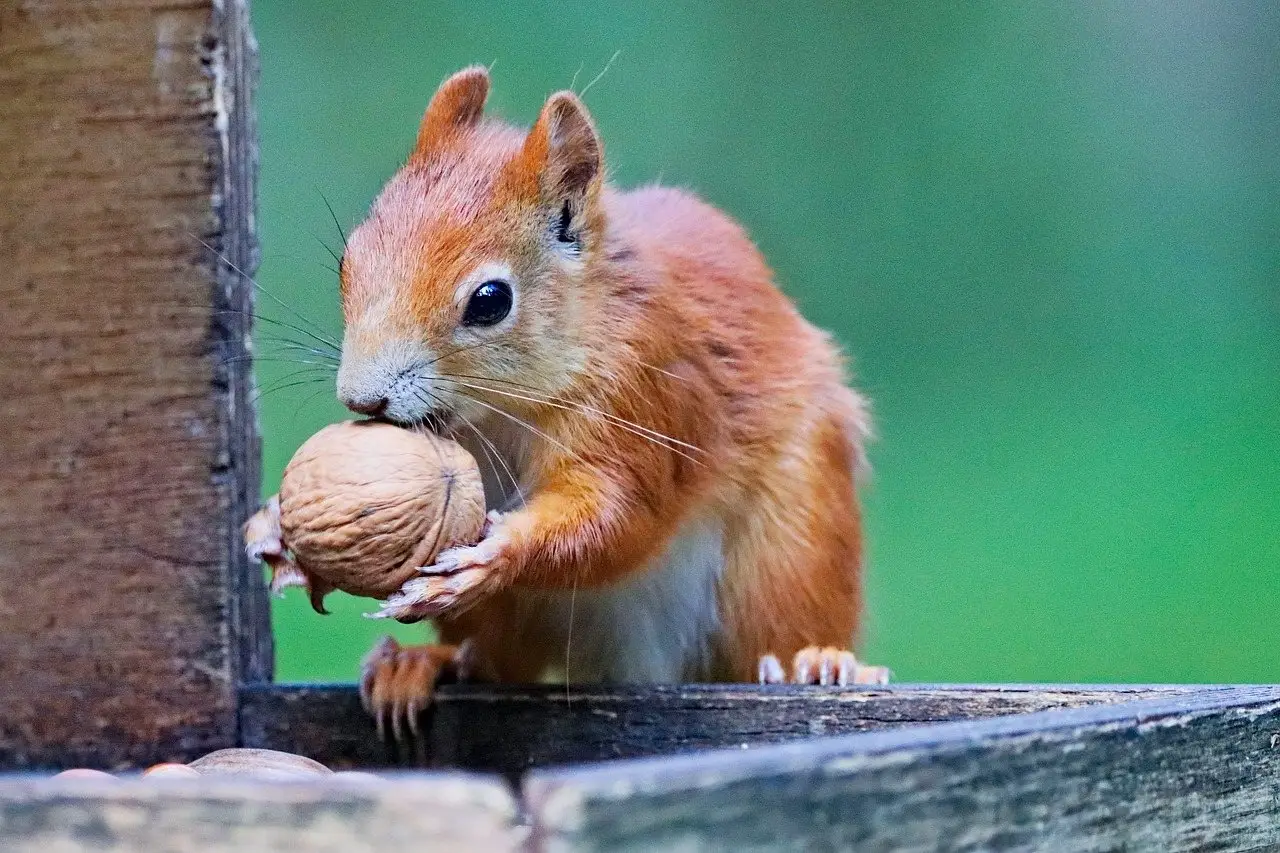
Bite force that cracks walnuts, a jump nine times body length, and the ability to carry nearly their own weight up a vertical trunk.
Can Squirrels Get Hurt From Falling? Rarely, by Design
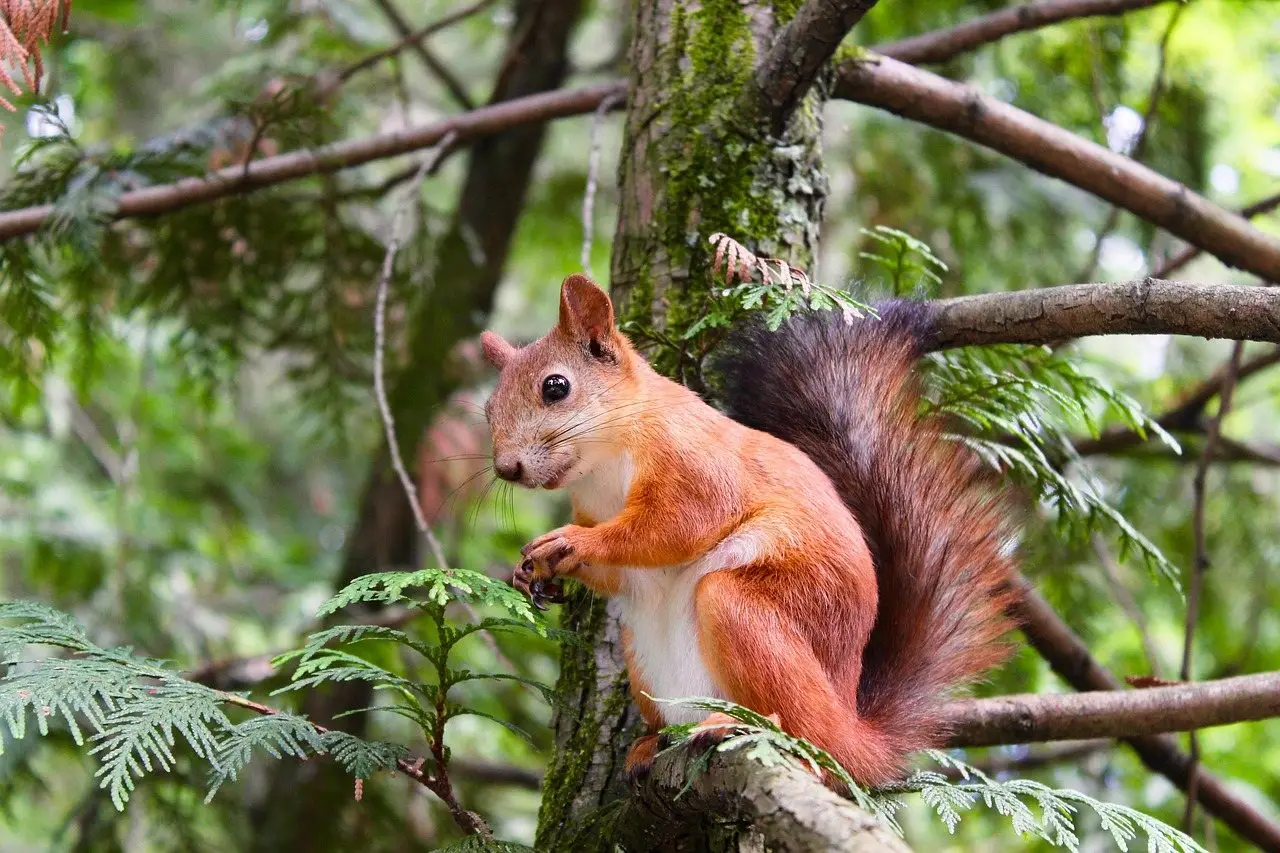
A squirrel's terminal velocity is survivable and it spreads out to use it. When a fall does injure one, and what to do if you find it.
How Far Can Flying Squirrels Glide? Up to About 90 Metres
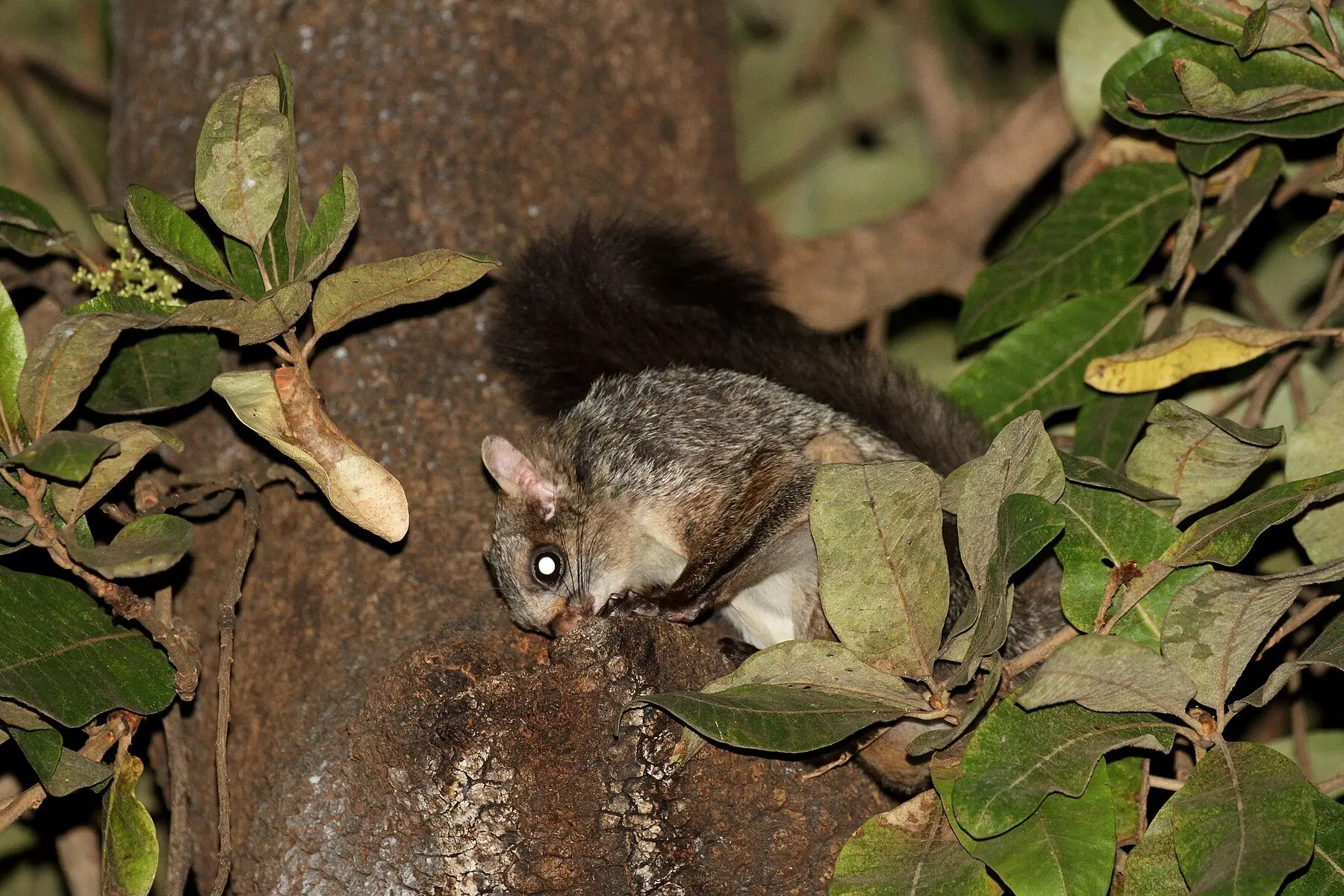
Typical glides are 5 to 25 metres; the record is far longer. How the patagium works, why they steer with the tail, and why it is not flight.
How Big Are Squirrels? Weights and Sizes by Species
A grey squirrel weighs about a pound; a flying squirrel weighs two ounces. Sizes across the common species, and why the tail is half the length.