
Do Squirrels Ruin Vegetable Gardens? They Dig More Than Eat
Most squirrel damage in a vegetable bed is caching and sampling, not grazing. What they actually take, and the exclusion that works.
 By
On this page
Most squirrel damage in a vegetable garden is a by-product of burying things, not of eating them. That changes what the fix should be.
What they actually take
| crop | risk |
|---|---|
| Sweetcorn | high |
| Tomatoes, strawberries | high (often thirst) |
| Peas, beans | moderate |
| Squash, pumpkin | moderate, mostly young fruit |
| Brassicas, roots, onions | low |
| Potatoes | low |
| Herbs | low |
Bulbs
| bulb | squirrels |
|---|---|
| Tulip | eaten |
| Crocus | eaten |
| Daffodil, narcissus | left alone |
| Allium | left alone |
| Fritillary | left alone |
| Snowdrop, hyacinth | left alone |
Plant the bulbs they do not want
Switching from tulips and crocus to daffodils, alliums and fritillaries removes the problem permanently and costs nothing to maintain. Where tulips are non-negotiable, mesh laid over the planting area until the soil settles stops the digging.
Exclusion that works
- Mesh laid flat over newly sown or planted soil, pinned, lifted once seedlings are up
- A netted frame over fruiting crops, mesh held clear of the foliage
- Never drape netting on plants — it is chewed through and traps birds and hedgehogs
- A shallow water dish nearby in dry weather, for the thirst-driven fruit damage
- Capsaicin repellent on bulbs and feeders — the one chemical category with real effect
- Harvest sweetcorn promptly; a day’s delay is when it goes
Mothballs are not a garden product
They are ineffective outdoors, toxic to soil life, pets and children, and illegal to use this way in many jurisdictions. The same goes for any pesticide used against an animal it is not labelled for.
Common questions
Do squirrels actually eat vegetables?
Why do they bite one tomato and leave it?
Which bulbs do they dig up?
What keeps them out of raised beds?
Do repellents work on squirrels?
Is the damage worth preventing at all?
Backyard Weekly
Know what to plant, week by week
Join the weekly email for seasonal jobs, fixes for what is going wrong, and gear worth buying.
Not ready to subscribe? The planting calendar is free and needs no email.
By subscribing you agree to our privacy policy. Grow In Backyard will never sell your address.
Keep reading
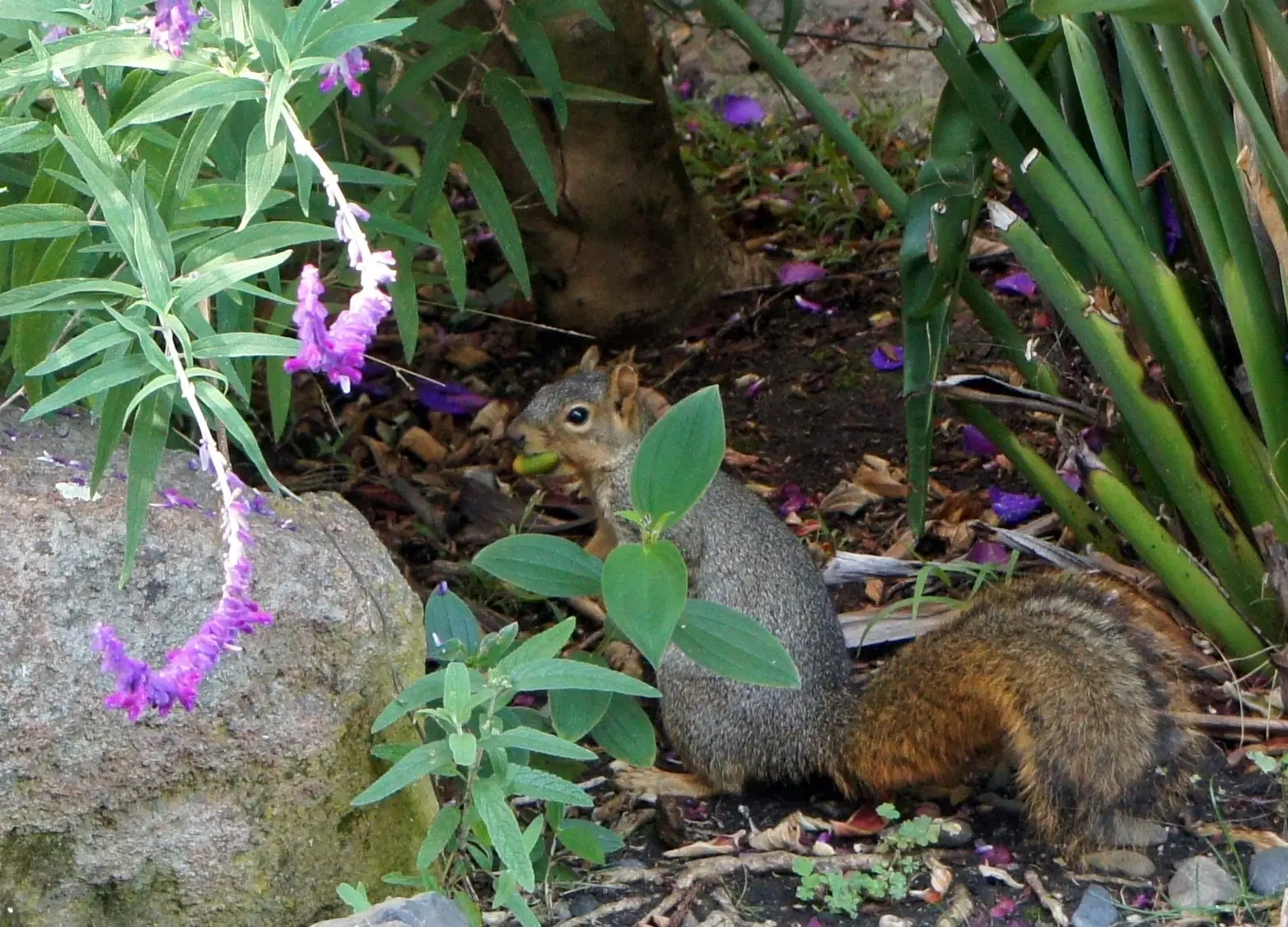
Will Squirrels Eat Your Garden? What's Actually at Risk
Squirrels dig up bulbs, strip tomatoes, and raid every nut tree in reach — but leave most vegetables alone. What they actually target, and what stops them.
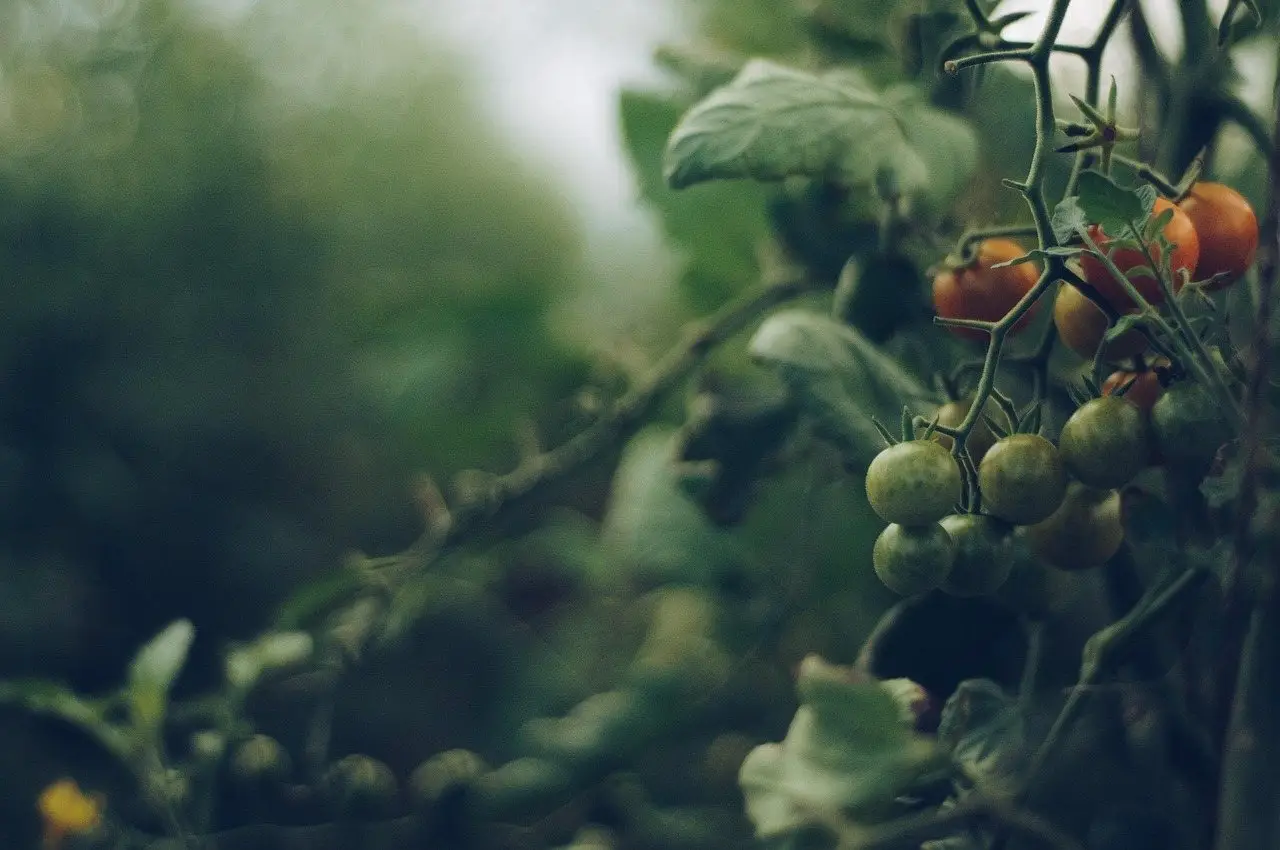
How to Keep Squirrels From Eating Tomatoes
Squirrels take one bite from a tomato and leave it, because they are after water. Cages that work, the water trick, and what does not help.
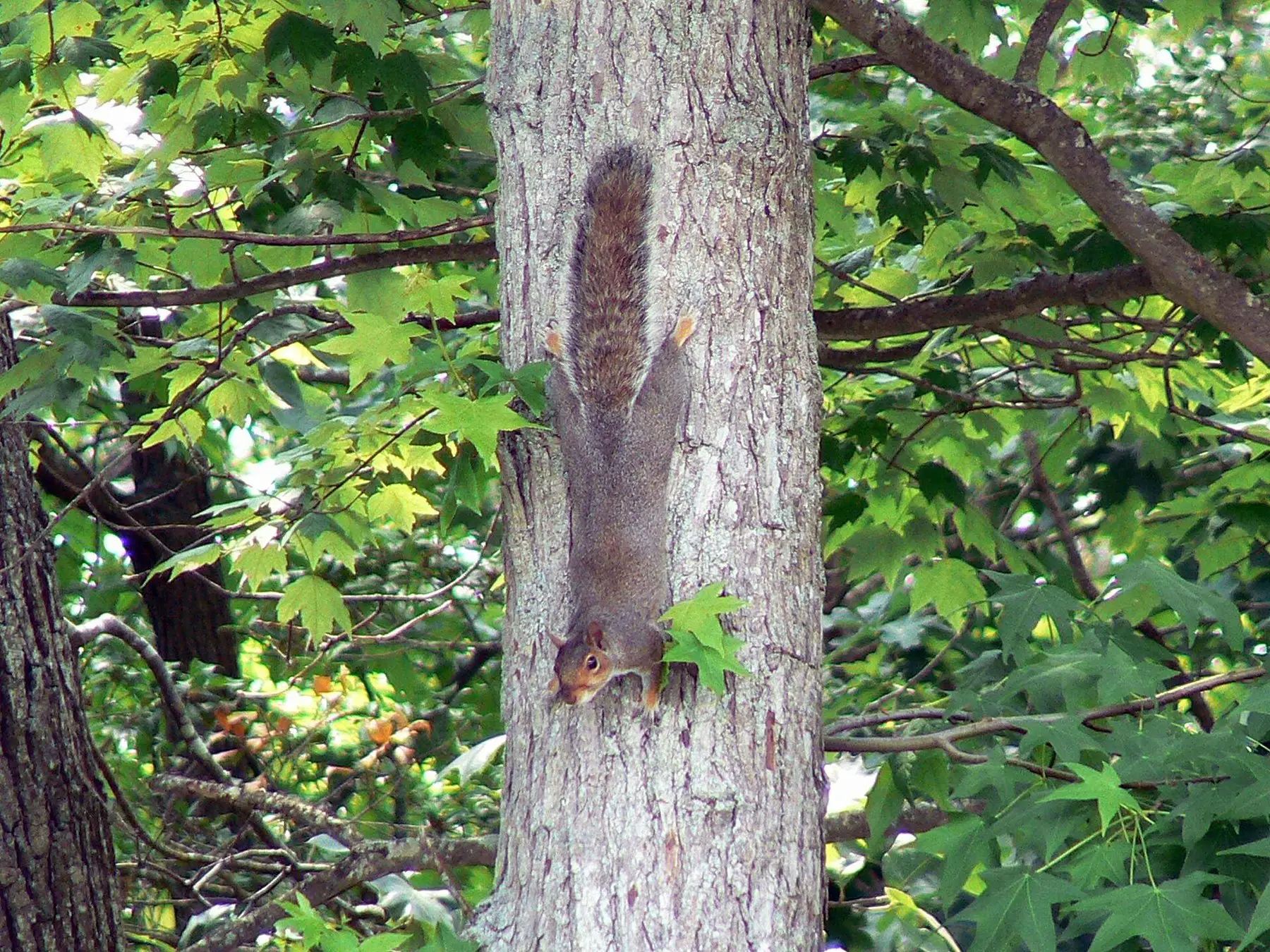
Why Do Squirrels Bury Nuts? And How They Find Them Again
Squirrels cache thousands of nuts a year, in separate holes, and relocate them by memory and smell — while faking burials for any squirrel watching.
Do Squirrels Take Dust Baths? Yes, for Parasites
Dust bathing works the fur free of mites and excess oil. How to tell it from splooting or a nest problem, and why a bare dry patch gets used.