
Do Squirrels Make Holes in the Ground? Small and Shallow
Tree squirrels dig shallow caching holes, not burrows. How to tell their 2-inch divots from chipmunk, vole, rat and ground squirrel holes.
 By
On this page
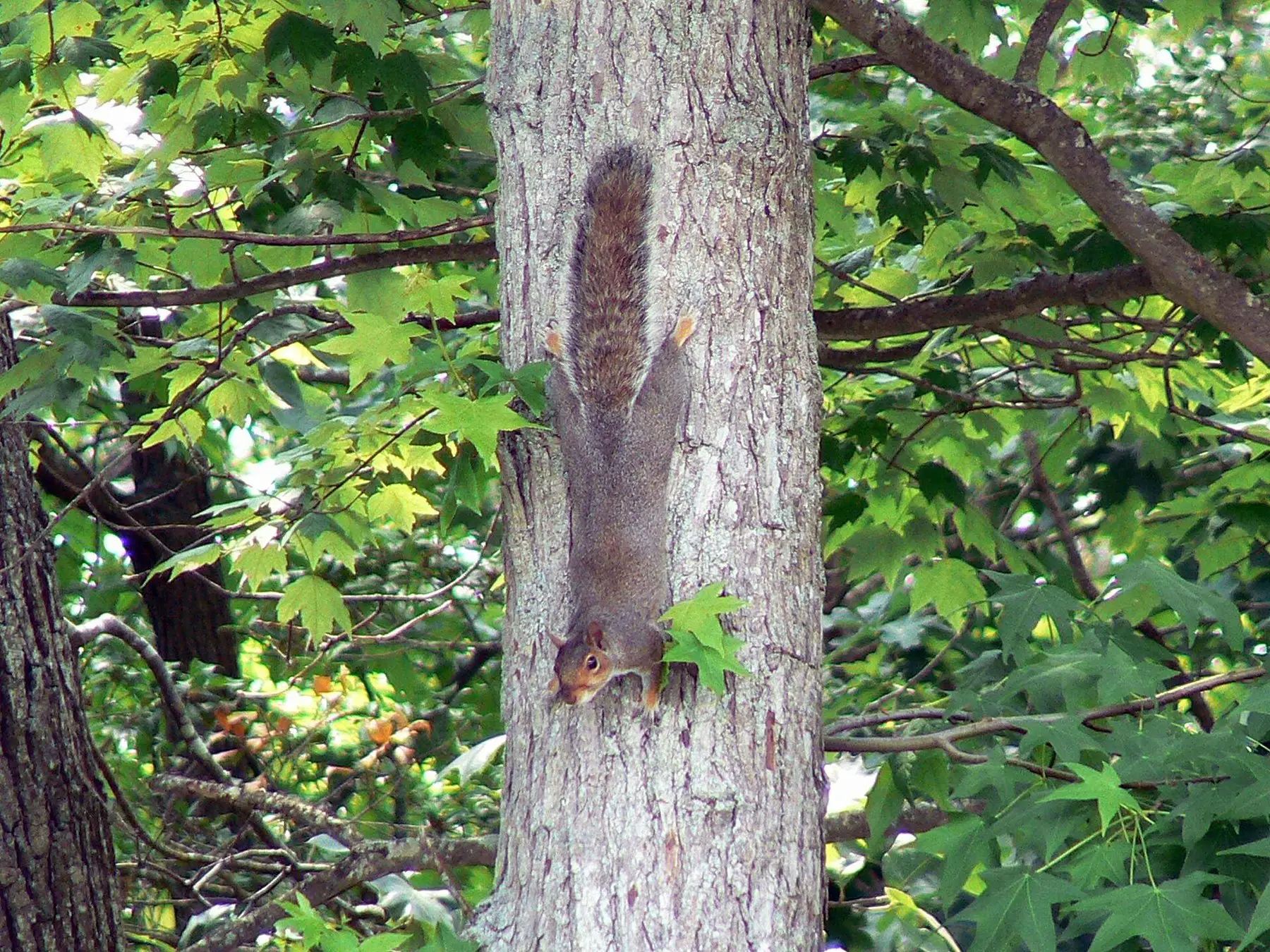
Tree squirrels dig shallow caching scrapes, not burrows. An inch or two across, soil scattered rather than mounded, often patted back down. Anything with a proper tunnel is a different animal.
The identification table
| hole | size | mound | pattern | animal |
|---|---|---|---|---|
| Shallow scrape, loosely refilled | 1–2 in | scattered soil | dozens, random, autumn | tree squirrel caching |
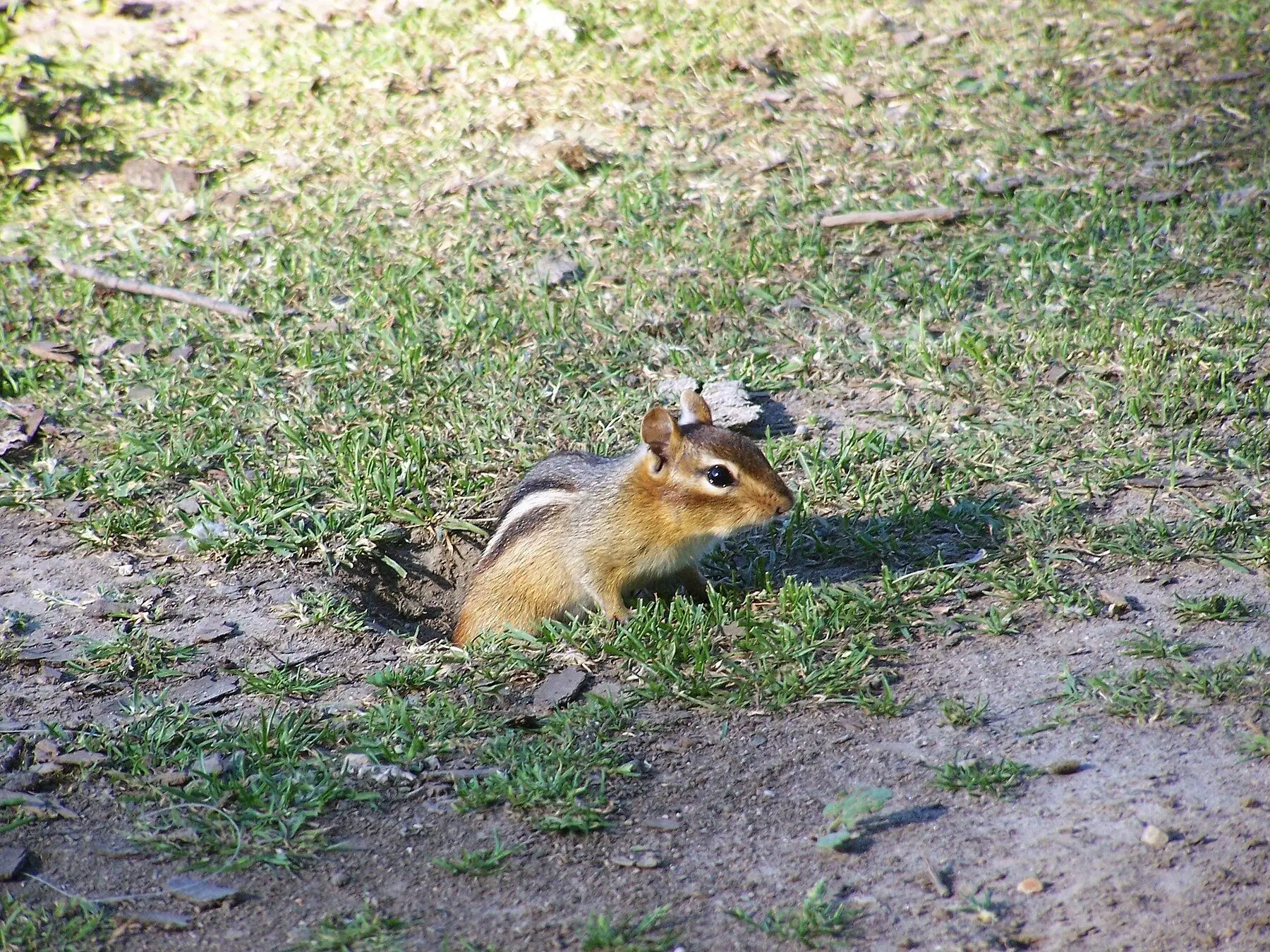
| Clean round entrance | ~2 in | none | few, near cover | chipmunk |
| Smooth entrance, worn path | 2–3 in | some | by walls, decking, compost | rat |
| Small holes with surface runways | 1–1.5 in | none | runs in the turf | vole |
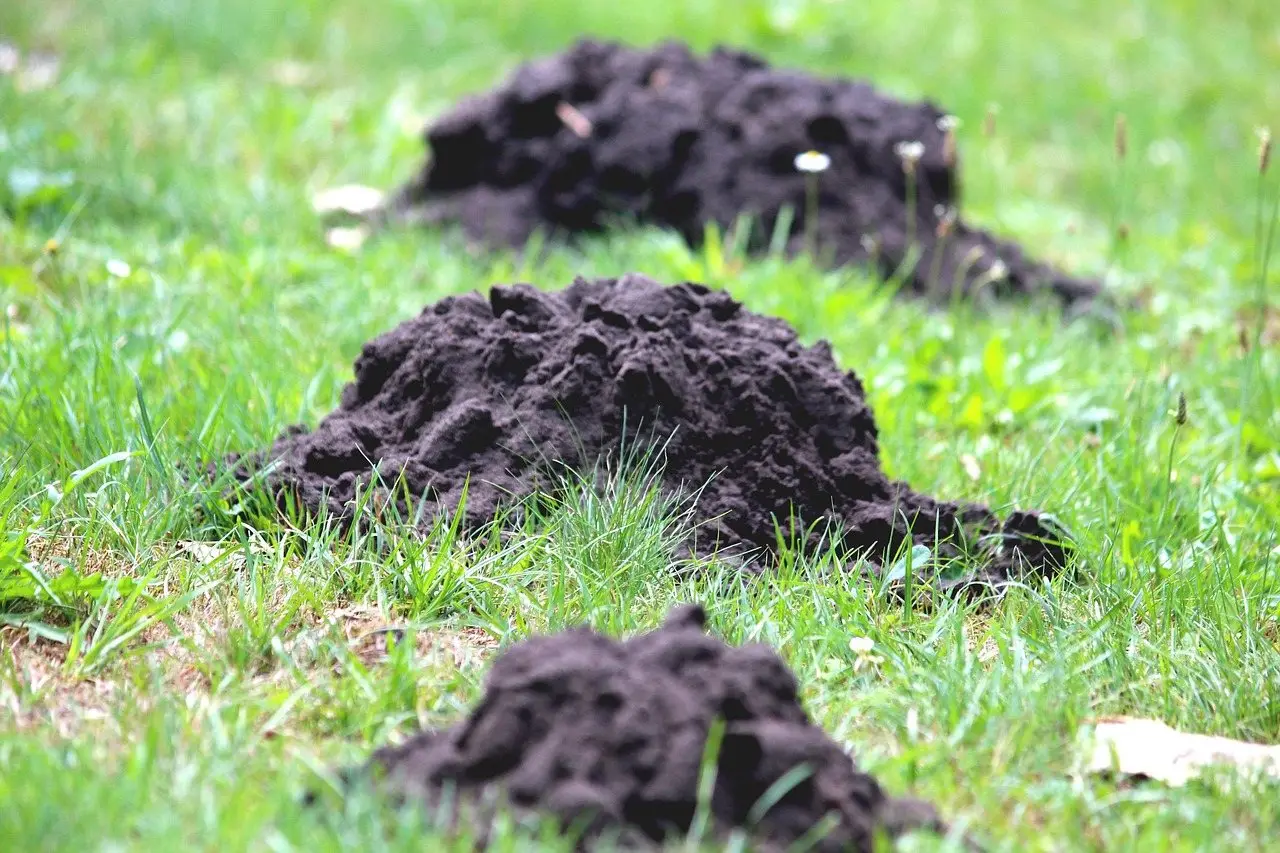
| Mound of fine soil, no visible hole | — | volcano-shaped | raised ridges | mole |
| Cone-shaped divots, turf rolled back | 1–3 in | scattered | overnight, in patches | skunk or raccoon after grubs |
| Large entrance, soil fan | 4–6 in | large | near structures | groundhog |
| Multiple entrances, system | 2–4 in | often mounded | slopes, banks | ground squirrel |
The mound tells you most of it
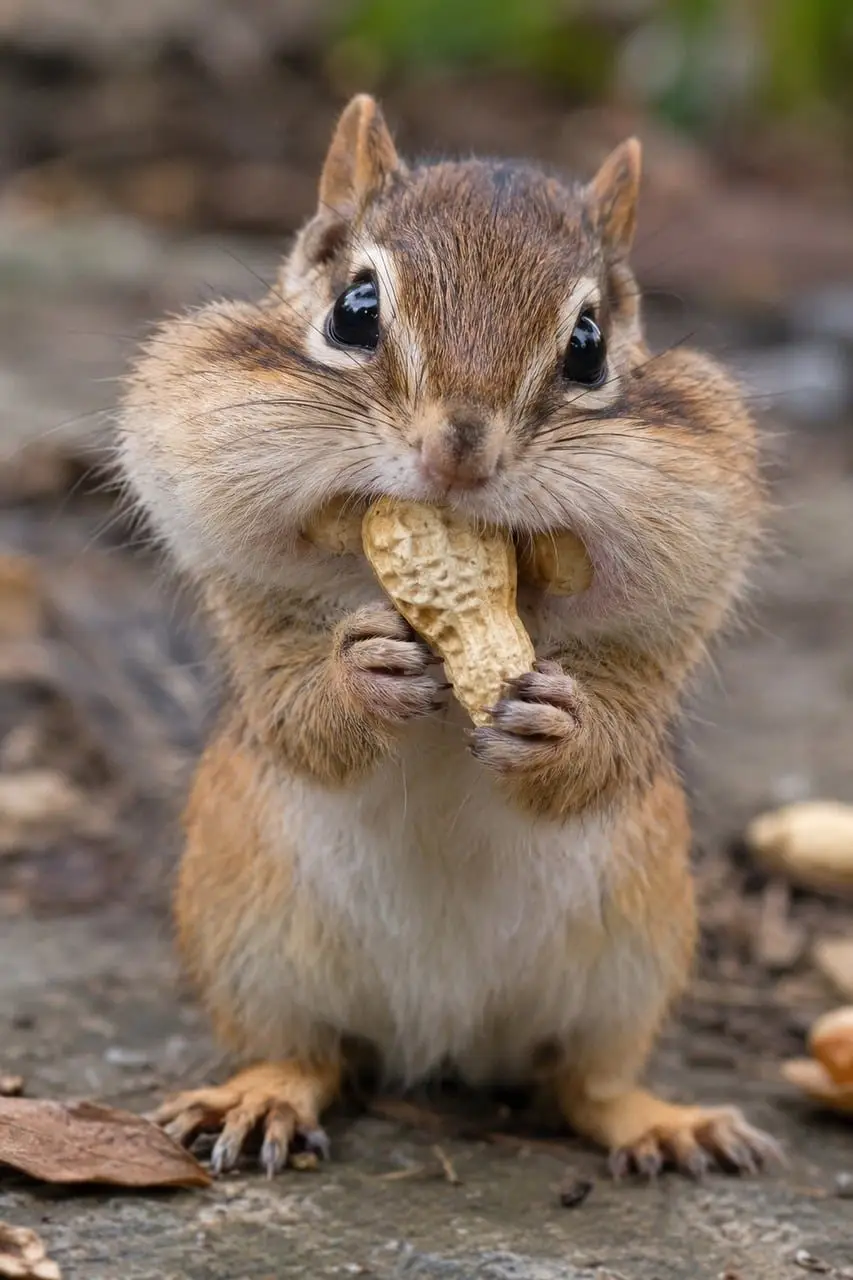
Chipmunks carry spoil away in their cheek pouches specifically so the entrance is not advertised, so a clean hole with no soil beside it is almost always a chipmunk. A hole with a fan of soil is a rat, a groundhog or a ground squirrel depending on size.
What the squirrel scrapes are for
Scatter-hoarding. A squirrel carries nuts away individually and buries them across its range, one per hole, rather than in a single store.
- Autumn peak. Estimates put a single grey squirrel’s seasonal caching in the low thousands of nuts
- Assessed first. They turn a nut over, judging weight and soundness; light or damaged ones get eaten rather than buried
- Patted down deliberately afterwards
- Found by smell, not memory of the location — which is why a large share are never recovered
- Those unrecovered nuts are one of the main ways oaks and hickories get planted
In spring you will see the opposite behaviour: digging to retrieve, which leaves similar scrapes.
Why they dig your containers and beds
Loose, soft, reliably workable soil is the easiest caching medium in the garden, and a pot or a freshly turned bed is exactly that.
They are burying, not eating the plant — though bulbs are taken as well, especially tulips and crocus.
The fix:
| treatment | effect |
|---|---|
| Coarse grit or 10–20 mm pebble top-dressing | very effective; still conserves moisture |
| Half-inch hardware cloth disc with slits for stems | effective, invisible once covered |
| Chicken wire | too open — they dig through |
| Capsaicin granules in the top inch | useful secondary; reapply after rain |
The same grit layer discourages dust bathing, which uses the same loose dry material.
Reducing it generally
- Sweep up spilled birdseed daily, or move the feeder 15–20 ft away
- Switch to hulled seed so there is no shell litter
- Pepper-treated seed — birds do not detect capsaicin, mammals do
- Plant daffodils, alliums and fritillaria instead of tulips and crocus in exposed beds
- Do not bother filling the lawn scrapes. They are shallow, grass grows through them, and a refilled hole is just easier digging next time
Common questions
Do squirrels dig holes in lawns?
How do I tell squirrel holes from chipmunk holes?
What animal digs holes in my lawn at night?
Why are squirrels digging up my pots and beds?
Do ground squirrels dig burrows?
Should I fill in squirrel holes?
Backyard Weekly
Know what to plant, week by week
Join the weekly email for seasonal jobs, fixes for what is going wrong, and gear worth buying.
Not ready to subscribe? The planting calendar is free and needs no email.
By subscribing you agree to our privacy policy. Grow In Backyard will never sell your address.
Keep reading
How to Fill Chipmunk Holes (and Why Filling Rarely Works)
A chipmunk reopens a filled hole in a day. What actually stops the tunnelling, how to tell a chipmunk hole from a vole or rat hole, and when to worry.
Why Do Squirrels Bury Nuts? And How They Find Them Again
Squirrels cache thousands of nuts a year, in separate holes, and relocate them by memory and smell — while faking burials for any squirrel watching.
How to Stop Chipmunks From Digging Holes in Your Yard
Chipmunks dig where there is cover and spilled food. Remove both, use gravel barriers and hardware cloth under beds, and skip the repellents.
Do Squirrels Make Nests in Trees? Dreys and Cavities Both
Squirrels build leaf dreys high in branch forks and also use tree cavities, which they prefer in winter. How to tell a drey from a bird nest.