
Do Squirrels Have Sharp Teeth? Chisels That Never Stop
Four incisors that grow about six inches a year and self-sharpen against each other. What they cut through, and why a bite is a puncture wound.
 By
On this page
Extremely. The four incisors are chisels that grow about six inches a year and sharpen themselves against each other. They cut hardwood, cable and soft metal.
The self-sharpening mechanism
This is the part worth understanding, because it explains everything else.
- The front face of each incisor is covered in hard enamel
- The back is softer dentine
- Gnawing wears the dentine faster than the enamel
- The result is a permanent bevelled chisel edge
No maintenance, no dulling. The tooth is sharp because it is being worn unevenly, and it is being worn unevenly because the animal is using it.
Open-rooted growth keeps feeding new material in from below at roughly six inches a year. The tooth is a consumable, continuously replaced.
Malocclusion is what happens when they stop
A squirrel that cannot gnaw — because of a jaw injury, or a misalignment — grows incisors that curve past each other and eventually out of the mouth. The animal cannot eat and starves. This is why gnawing is not optional behaviour, and why no amount of deterrent stops it; it only moves it.
What they cut through
| material | holds? |
|---|---|
| Timber, including hardwood | no |
| Plastic, PVC, vent covers | no |
| Expanding foam | no |
| Chicken wire | no |
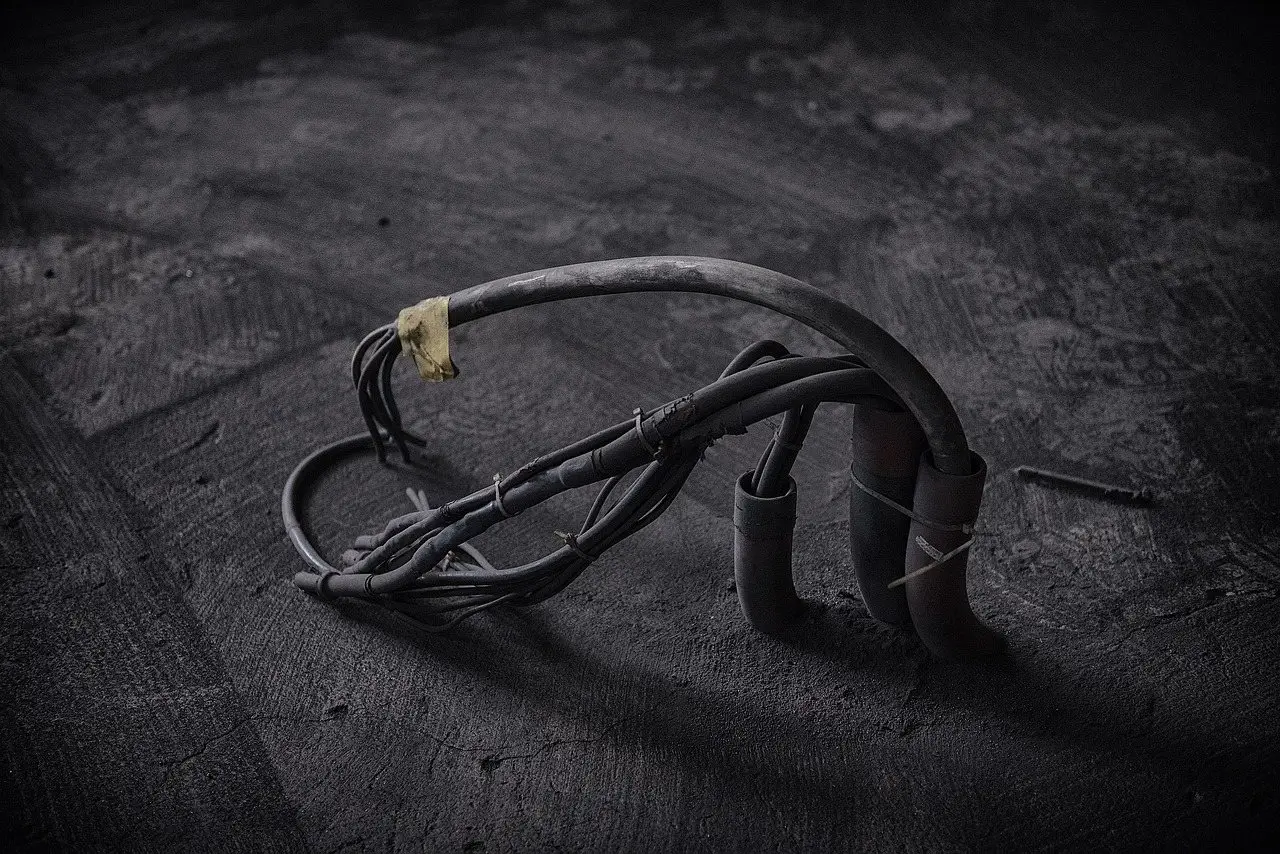
| Cable sheathing | no — this is the fire risk |
| Aluminium flashing, lead | no, with persistence |
| Heavy-gauge welded mesh | yes |
| Sheet steel | yes |
| Hardware cloth, 19 gauge or heavier | yes |
That table is the whole of exclusion work. A roof sealed with foam or timber is reopened within days; the same roof sealed in welded mesh stays sealed.
Why they chew particular things
Gnawing has to happen somewhere. What decides where:
- Edges. An incisor needs an edge to bite around — railing tops, stair nosings, corner posts, joist lips
- Salt. Winter de-icer soaked into decking, hand sweat on handrails. Sodium is scarce in a diet of nuts and seeds, and salt-contaminated timber is far more attractive than clean wood. This is why deck chewing spikes in late winter
- Convenience. Cable runs along the routes they already travel in a roof space
- Marked edges. A previously chewed edge carries scent and offers a ready grip
The bite
Long, narrow, sharp teeth produce a deep puncture, not a tear.
That shape matters: bacteria are carried deep and the wound closes over them, which is why infection is the real risk from a squirrel bite rather than anything exotic.
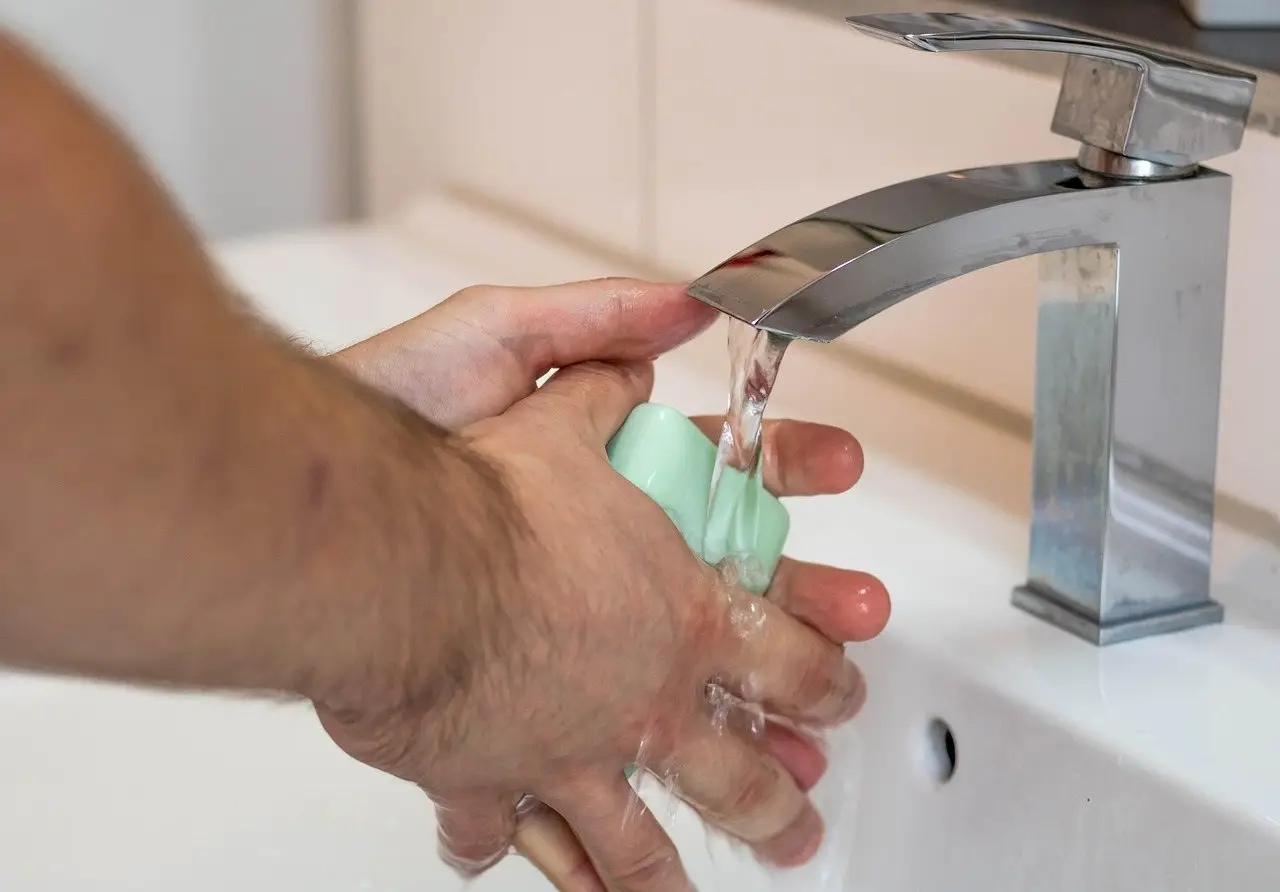
- Wash with soap and running water, several minutes
- Let it bleed rather than squeezing it shut
- Cover with a clean dressing
- Seek medical advice the same day
- Go back if redness spreads, the area is hot or swollen, pus appears, or you develop a fever
Rabies is almost never a factor with small rodents. Infection and tetanus are the standard concerns.
The rest of the mouth
Behind the incisors is a gap — the diastema — and then the cheek teeth, premolars and molars, which grind rather than cut.
Those grow very little and wear normally, which is why nothing in a squirrel’s behaviour is driven by them. The four at the front are doing all the work, all the damage, and all the growing.
Common questions
How sharp are squirrel teeth?
Do squirrel teeth keep growing?
How bad is a squirrel bite?
What can a squirrel chew through?
Why do squirrels gnaw on things that are not food?
Do squirrels have teeth other than incisors?
Backyard Weekly
Know what to plant, week by week
Join the weekly email for seasonal jobs, fixes for what is going wrong, and gear worth buying.
Not ready to subscribe? The planting calendar is free and needs no email.
By subscribing you agree to our privacy policy. Grow In Backyard will never sell your address.
Keep reading
Why Do Squirrels Chew Wires? Teeth That Never Stop Growing
Squirrel incisors grow continuously and must be worn down. Why cable is the right shape and hardness for the job, and how to protect wiring properly.
Can Squirrels Cause Electrical Fires? Yes, and They Do
Gnawed cable insulation is a documented ignition source in roof spaces. Why they chew wires, the warning signs, and the metal mesh that stops it.
Do I Need a Rabies Shot for a Squirrel Bite?
Squirrels are almost never found with rabies and treatment is rarely advised. Why infection and tetanus are the real concerns, and when to see a doctor.
Do Squirrels Have Taste Buds? Yes, and They Use Them
Squirrels taste bitter, sweet, salty and sour, and reject tannin-heavy acorns on that basis. Why capsaicin works on them and not on birds.