
Can Squirrels Cause Electrical Fires? Yes, and They Do
Gnawed cable insulation is a documented ignition source in roof spaces. Why they chew wires, the warning signs, and the metal mesh that stops it.
 By
On this page
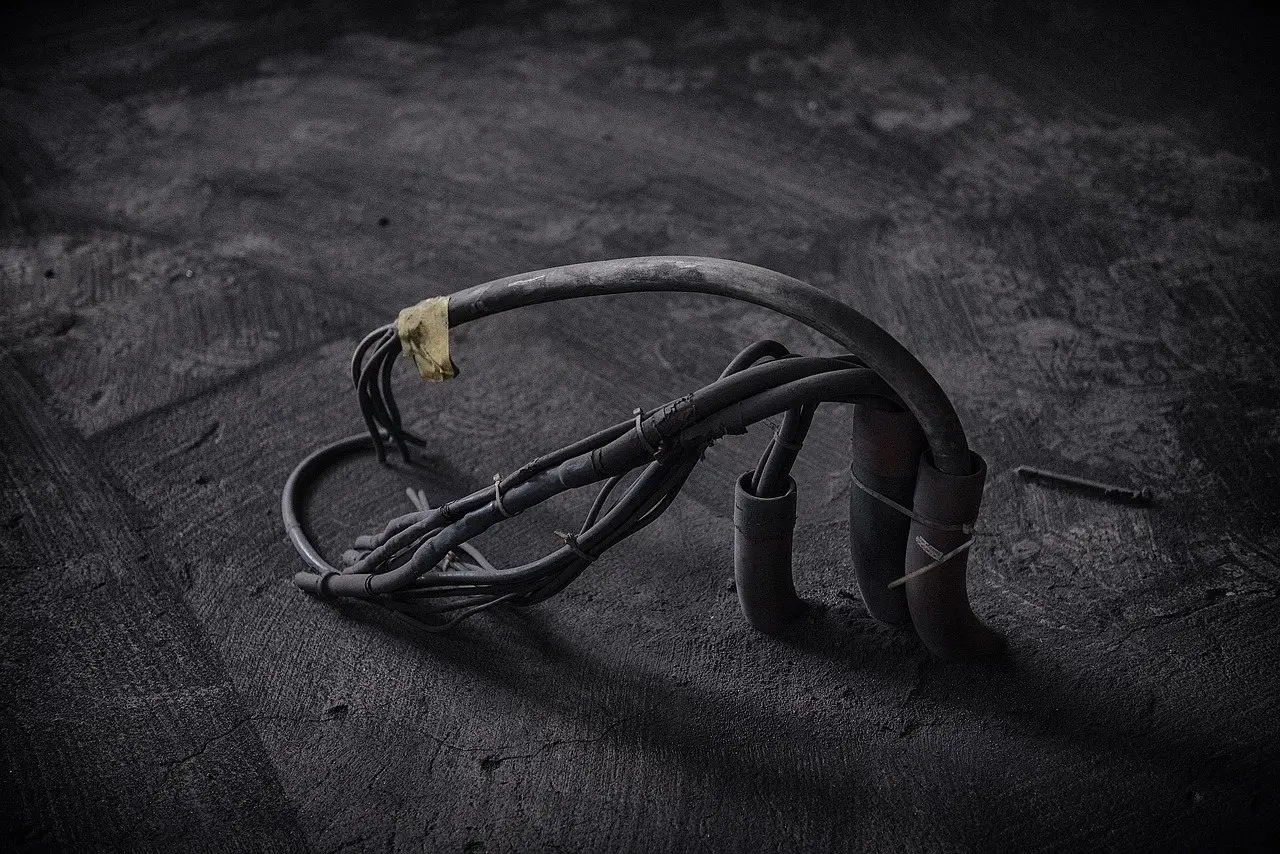
Yes. Gnawed cable insulation is a recognised ignition source in roof and wall voids, and squirrels are among the worst offenders — large, strong-jawed, and chewing because they have no choice.
Why it happens
A squirrel’s incisors grow continuously — in the region of six inches a year — and are worn down against hard material. A bird that stops gnawing develops malocclusion and starves, so this is maintenance rather than mischief.
Cable is simply convenient:
- The right hardness to wear teeth down
- Routed along the beams and voids squirrels already travel
- Plastic sheathing gives easily under rodent incisors
- It is there, in a space the animal is living in
There is nothing attractive about the electricity. Squirrels are not drawn to live cable; they are drawn to roof spaces, and cable is what is in them.
How a chewed wire becomes a fire
- Insulation is stripped, exposing the conductor
- The exposed conductor touches another conductor or a joist
- Arcing generates intense local heat
- Dry insulation, stored boxes and timber are immediately adjacent
- The fire develops in a void nobody is looking at
That last step is why roof fires are serious out of proportion to their ignition energy — nothing is noticed until it is well established.
If you find chewed cable, get an electrician before anything else
Damaged cable is a live hazard whether or not the animal is still there. Have the circuits inspected before you deal with the squirrels, not after. And do not go poking at exposed wiring in a roof space yourself.
The warning signs
| sign | what it means |
|---|---|
| Scratching and running overhead in daylight | greys. Night noise is rats, mice, raccoons or flying squirrels |
| Droppings and urine staining on insulation | active occupation |
| Strong ammonia smell | established, probably with young |
| Insulation shredded into a nest | nesting |
| Gnaw marks on joists, fascia, cable | the damage in progress |
| Grease marks round a gap | the entry point |
| Lights flickering, breakers tripping | possible cable damage — treat as urgent |
| Daylight visible from inside the roof | an opening to seal |
Sealing it properly
Exclude first. A one-way door over the main entrance, every other gap screened, three to five days, then a paper-stuffing test to confirm the space is empty.
Then seal, in metal.
- Heavy-gauge welded mesh or sheet metal at every opening. Plastic, foam and timber get chewed straight through
- Roof-wall junctions, soffit returns, fascia gaps, gable ends, vent covers
- Chimney and flue caps
- Look for gaps about the size of a golf ball — squirrels enlarge anything smaller
Then remove the access:
- Prune branches back about 10 ft from the roofline. Squirrels jump 6–8 ft
- Downpipe guards and smooth bands on posts
- Move bird feeders 15–20 ft from the house and sweep the spill
Timing
Do not seal between roughly February and April or August and October without checking for young. Walled-in kits die in the cavity, which turns a sealing job into opening a ceiling.
The insurance question
Most policies exclude rodent and vermin damage, treating it as maintenance rather than a sudden event. There are sometimes exceptions where the animal causes a covered peril — a fire being the obvious one — so it is worth reading the wording and asking.
What you should not do is defer the repair on the assumption it will be covered. The cable is the hazard; the argument about who pays is a separate conversation that can happen afterwards.
Common questions
Can squirrels really start house fires?
Why do squirrels chew electrical wires?
What are the signs of squirrels in a roof space?
What should I do if I find chewed wiring?
Does home insurance cover squirrel damage?
How do I stop squirrels getting into the roof?
Backyard Weekly
Know what to plant, week by week
Join the weekly email for seasonal jobs, fixes for what is going wrong, and gear worth buying.
Not ready to subscribe? The planting calendar is free and needs no email.
By subscribing you agree to our privacy policy. Grow In Backyard will never sell your address.
Keep reading
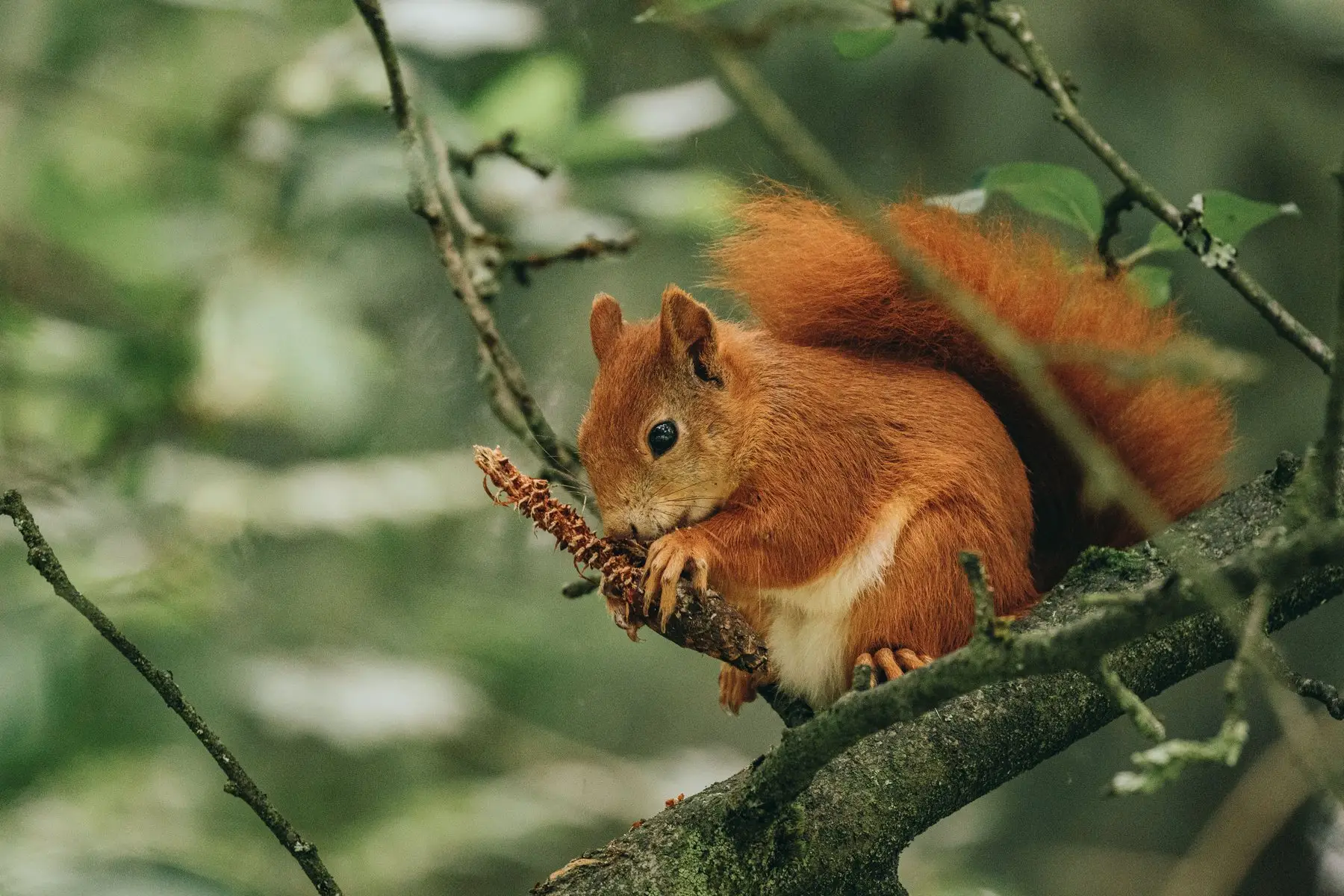
Why Do Squirrels Chew Wires? Teeth That Never Stop Growing
Squirrel incisors grow continuously and must be worn down. Why cable is the right shape and hardness for the job, and how to protect wiring properly.
How Much Does Squirrel Removal Cost? What Drives the Bill
Removal is a small part of it — exclusion and repair are where the money goes. What each line item covers, and the questions that change the quote.
Can Squirrels Cause Roof Damage? Soffit, Insulation, Cable
They enlarge gaps, strip soffit and fascia, foul insulation and gnaw cable. What the damage costs, and the order to tackle it in.
Can Squirrels Cause a Flea Infestation? Indirectly, Yes
Squirrel fleas prefer squirrels, but a nest abandoned in a roof space leaves hungry larvae behind. How the problem actually reaches a house.