
Can Squirrels Cause a Flea Infestation? Indirectly, Yes
Squirrel fleas prefer squirrels, but a nest abandoned in a roof space leaves hungry larvae behind. How the problem actually reaches a house.
 By
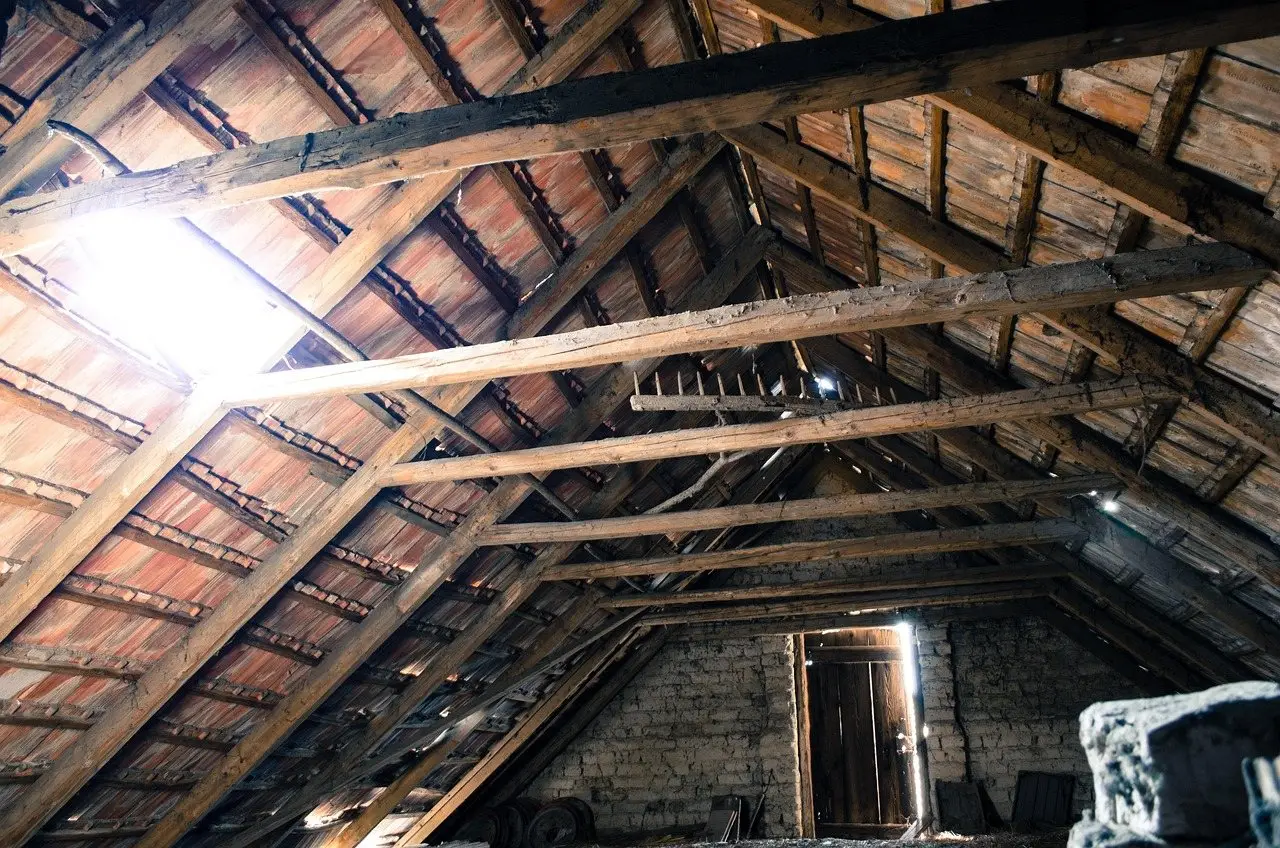
On this page
Squirrel fleas prefer squirrels and mostly stay on them. The house problem begins when the squirrels leave and the nest, full of larvae, does not.
Where the life cycle actually happens
| stage | location |
|---|---|
| Adult | on the squirrel |
| Egg | falls into the nest |
| Larva | nest material, feeding on debris |
| Pupa | nest material, dormant for months |
| Newly emerged adult | dispersing, seeking a host |
Sequence of a typical complaint
| step | what happens |
|---|---|
| 1 | Squirrels nest in the roof space over weeks |
| 2 | Exclusion fitted; squirrels leave |
| 3 | Larvae and pupae remain in the nest |
| 4 | Adults emerge, no host, move downward |
| 5 | Bites in the rooms below, 1–3 weeks after exclusion |
Mask and gloves for nest removal
The fleas are the lesser hazard. Dried droppings and nesting dust are the reason to wear a properly fitted mask and gloves, and to bag the material where it sits rather than carrying it loose through the house.
Doing it in the right order
- Confirm the roof space is empty first — exclusion door, then several days of no activity
- Remove nest material completely, bagged at source
- Vacuum the cavity and the rooms below; vibration triggers pupal emergence, which is useful here
- Treat only if activity continues after removal — material removal does most of the work
- Repair the entry permanently with steel mesh, so the cycle does not restart
Treat the pet separately
A dog or cat with a persistent flea problem has cat fleas, whatever is in the roof. Running a normal veterinary flea programme and a separate roof-space clearance is quicker than trying to make one job do both.
Common questions
Do squirrels carry fleas?
So how does a house get a flea problem from squirrels?
Will squirrel fleas live on my dog or cat?
What should be done after excluding squirrels?
Do squirrel fleas spread disease to people?
Can I just leave the nest and let it dry out?
Backyard Weekly
Know what to plant, week by week
Join the weekly email for seasonal jobs, fixes for what is going wrong, and gear worth buying.
Not ready to subscribe? The planting calendar is free and needs no email.
By subscribing you agree to our privacy policy. Grow In Backyard will never sell your address.
Keep reading
Do Squirrels Have Fleas? And Can They Reach Your Pets?
Squirrels carry fleas, lice, mites and ticks, but squirrel fleas rarely settle on cats and dogs. The real risk is a nest left in a roof.
Can Squirrels Cause Roof Damage? Soffit, Insulation, Cable
They enlarge gaps, strip soffit and fascia, foul insulation and gnaw cable. What the damage costs, and the order to tackle it in.
Can Squirrels Eat Through Walls? Through Most of Them
Timber, plasterboard, soffit, lead flashing and thin aluminium all give way. What actually stops them, and where they get in first.
Can Squirrels Crack Walnut Shells? They Lever Them Open
Black walnut defeats most people without a hammer. A squirrel grooves the seam and prises — no crushing involved. How long it takes.