
Do I Need a Rabies Shot for a Squirrel Bite?
Squirrels are almost never found with rabies and treatment is rarely advised. Why infection and tetanus are the real concerns, and when to see a doctor.
 By
On this page
Rabies treatment is rarely advised after a squirrel bite — small rodents almost never carry it. The risks that matter are infection and tetanus, and both argue for seeing a doctor the same day.
Why rabies is unlikely
Small rodents — squirrels, chipmunks, rats, mice, hamsters, guinea pigs — and rabbits and hares are almost never found infected with rabies. US public health guidance records that they have not been known to transmit it to people.
The usual explanation is that a rodent bitten by a rabid predator rarely survives the encounter, so it does not go on to spread the disease.
The animals that do matter for rabies risk vary by region: bats, raccoons, skunks, foxes and coyotes in parts of North America; dogs in much of the world. A squirrel is not on that list.
This is still a doctor's decision
Local circumstances change the answer — an unusual outbreak, an unvaccinated imported animal, a region with different wildlife reservoirs. Describe what happened to a doctor or your local health department and let them decide. What this article rules out is panic, not a consultation.
What to do, in order
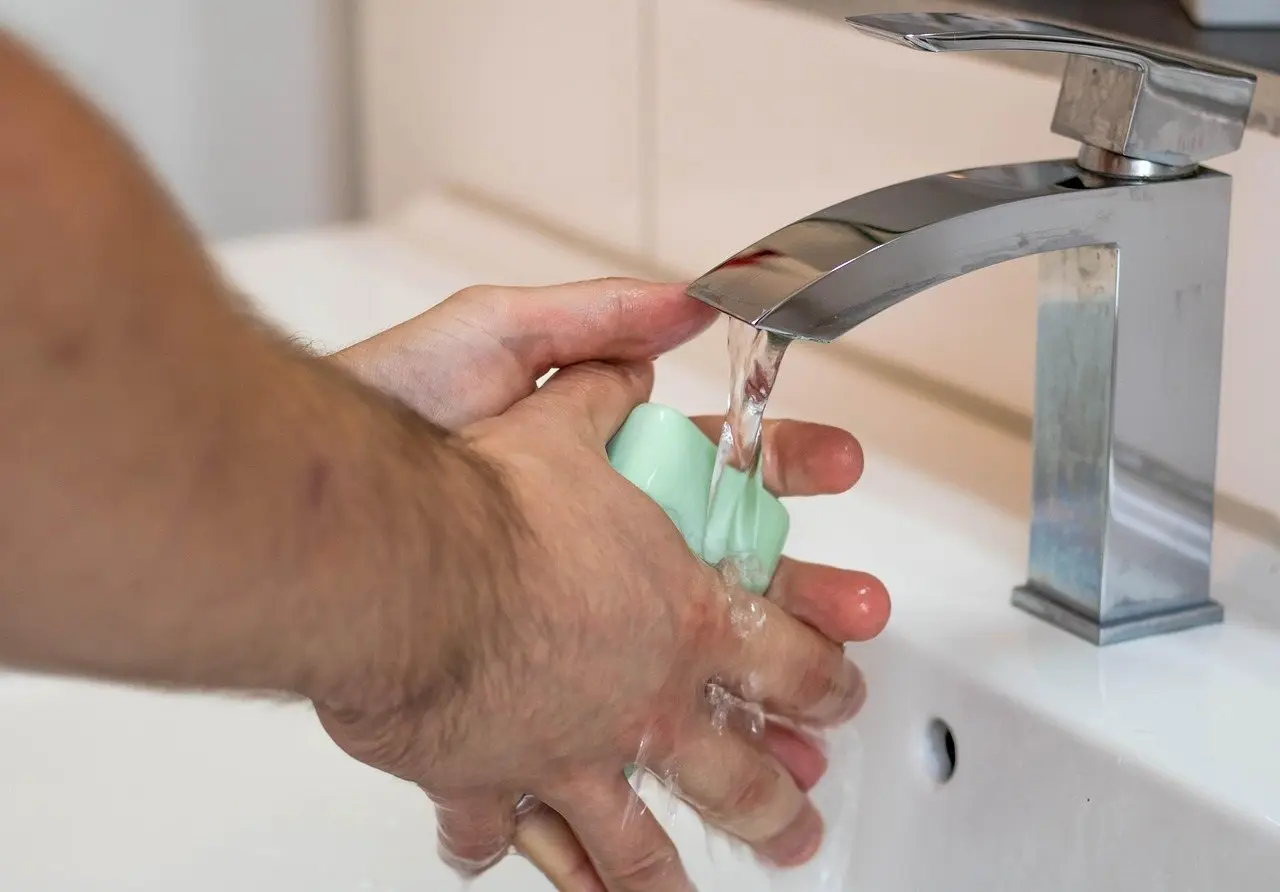
- Wash it. Soap and running water, several minutes. This is the single most effective intervention for any animal bite
- Let it bleed a little rather than pinching it shut
- Cover with a clean dressing
- Seek medical advice the same day, for any bite that breaks the skin
- Note the details — where, when, how the animal behaved, whether it is still around
Why infection is the concern
Squirrel incisors are long, sharp and continuously growing. The wound they make is a deep puncture: narrow at the surface, deep underneath, and quick to close over.
That shape is close to ideal for an infection, because bacteria are carried in and the wound seals behind them. Hand bites are worse again, because of the tendon sheaths and small joint spaces involved.
Go back to a doctor if, over the following days:
- Redness spreads out from the wound
- The area becomes hot, swollen or increasingly painful
- Pus appears
- You develop a fever or feel generally unwell
- Red streaks track away from the site
When to go urgently
- The wound is deep, or you cannot see the bottom of it
- It is on the hand, face or over a joint
- It is bleeding heavily
- You are immunosuppressed, diabetic, or on medication affecting immunity
- Your tetanus vaccination is not up to date or you do not know
- The animal was behaving abnormally — staggering, circling, unafraid and approaching
That last point is worth taking seriously for a different reason. A squirrel behaving like that is more likely to have a head injury or rodenticide poisoning than anything infectious, and it should be reported to animal control rather than approached.
Why it happened
Almost every squirrel bite traces back to one of three things:
- Hand-feeding. A habituated squirrel approaches expecting food and tests an empty hand with its teeth. This is by far the commonest cause
- Cornering. A squirrel in a shed, garage or room with the door shut has lost its escape route upward, and a cornered animal goes forward
- A nest nearby, during the February-to-April or August-to-October breeding windows
None of them requires an aggressive animal. They require a situation, and all three are avoidable — which is the strongest practical argument against hand-feeding wildlife.
Common questions
Do squirrels carry rabies?
What should I do immediately after a squirrel bite?
What is the real risk from a squirrel bite?
When should I definitely see a doctor?
Does it matter if the squirrel seemed sick?
Why do squirrels bite people at all?
Backyard Weekly
Know what to plant, week by week
Join the weekly email for seasonal jobs, fixes for what is going wrong, and gear worth buying.
Not ready to subscribe? The planting calendar is free and needs no email.
By subscribing you agree to our privacy policy. Grow In Backyard will never sell your address.
Keep reading
Why Are Squirrels Attacking? Food, Fear and Breeding Season
Squirrel attacks on people are almost always habituation to hand-feeding. The three real triggers, what a bite needs, and how to make a bold squirrel back off.
Can Squirrels Get Rabies? What the Bite Data Actually Says
Squirrels can carry rabies in theory but almost never do, and no US case of human rabies has been traced to one. What to do if you are bitten.
Pros and Cons of Feeding Squirrels: An Honest Accounting
Feeding squirrels is enjoyable and mostly harmless to them — the costs land on your roof, your bird feeders, your neighbours and your bulbs.
Do Lawn Spinners Keep Moles Away? No, and Nor Do Spikes
Vibration devices, windmills and ultrasonic stakes fail in trials and in gardens. Moles habituate in days. What actually works on moles.