
Do Lizards Eat Plants? Which Ones Do, and What to Do
Most backyard lizards are insect eaters and ignore plants entirely. The exceptions, how to tell lizard damage from the real culprit, and what stops it.
 By
On this page
Almost always no. The lizards in a backyard are insect eaters, and the one sitting on your tomato plant is hunting whatever is actually eating it.
Who eats what
| Lizard | Diet | Plant damage |
|---|---|---|
| Skinks | Insects, spiders, snails, slugs | None |
| Anoles | Insects, spiders | None |
| Fence and wall lizards | Insects | None |
| Geckos | Insects, moths | None |
| Common lizard, viviparous lizard | Insects, spiders | None |
| Some larger skinks | Insects, some fruit and flowers | Occasional, trivial |
| Bearded dragons (escaped pets) | Insects and greens | Minor |
| Green iguanas | Leaves, flowers, fruit | Serious, in subtropics |
Every entry in the top half of that table is a net benefit to a garden. The bottom entry is a genuine problem — and it is a Florida, Hawaii, Caribbean and Gulf Coast problem rather than a general one.
What is actually eating the plant
The damage tells you, and it rarely says lizard.
- Ragged holes, slime trails, worst after rain → slugs and snails
- Clean semicircles cut from leaf edges → leafcutter bees. Harmless, leave them
- Leaves skeletonised to the veins → beetles or sawfly larvae
- Seedlings sheared off at soil level overnight → cutworms
- Stems stripped, dark droppings alongside → caterpillars
- Clean angled cuts, whole shoots gone → rabbits or deer
- Fruit hollowed out → slugs, birds, mice, squirrels
- Leaves stippled pale, fine webbing → spider mites
- Whole leaves gone, thick-bodied lizard present, subtropical climate → iguana
The lizard is usually evidence of the problem, not the cause
A lizard spends its day where the insects are. A plant covered in aphids, a strawberry bed full of beetles, a damp bed with slugs in it — those are hunting grounds.
Finding a lizard on a chewed plant is weak evidence it did the chewing and good evidence something else did.
If you genuinely have iguanas
This is a real and expensive problem where it applies, and it is a different article from the one most people need.
- Exclusion works, repellents do not. Wire cages over prized plants, netting over beds, sheet-metal trunk guards on fruit trees
- Remove what they want. Fallen fruit cleared daily, hibiscus and bougainvillea protected or relocated, dense bask-and-hide cover thinned
- Plant what they avoid — citrus, oleander, crotons, most strongly scented herbs, milkweed
- Fill burrows once they are confirmed empty, and screen under decks and seawalls
- Check local law before any removal. Rules differ sharply by state and country, and in several places both killing and relocating are regulated
Why you want the other lizards
- Crickets, beetles, spiders, flies, moths, snails and slugs, in quantity, every day
- No burrowing, no chewing, no droppings problem, no damage to the structure
- Not venomous, and they will not bite anyone
- They are prey for birds and snakes, so a garden with lizards is a working one
A garden that supports lizards usually needs less spraying, which is the whole argument. Put flat stones in a sunny spot, leave a log pile in a corner, and stop treating them as suspects.
Common questions
Do lizards eat plants?
Which lizards eat plants?
What is eating my plants if not lizards?
Are lizards good or bad for a garden?
How do I stop lizards eating my plants?
Do lizards eat tomatoes or strawberries?
Backyard Weekly
Know what to plant, week by week
Join the weekly email for seasonal jobs, fixes for what is going wrong, and gear worth buying.
Not ready to subscribe? The planting calendar is free and needs no email.
By subscribing you agree to our privacy policy. Grow In Backyard will never sell your address.
Keep reading
What Do Backyard Lizards Actually Eat?
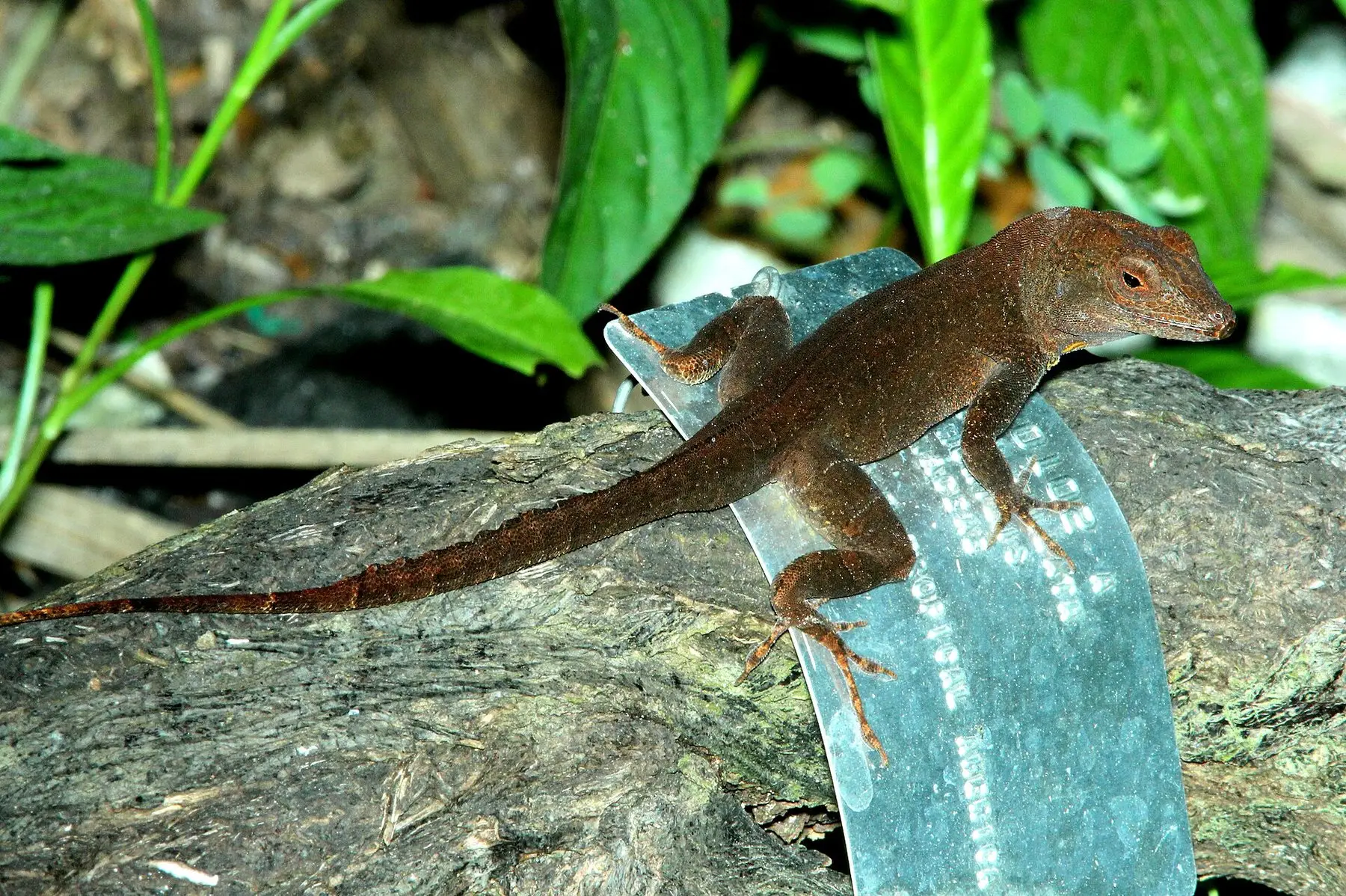
Wild lizards in a garden are almost entirely insect-eaters, not the varied diet pet-care sites describe. What they hunt, and what draws more of them to your yard.
What to Feed a Lizard From Outside? Usually, Let It Go
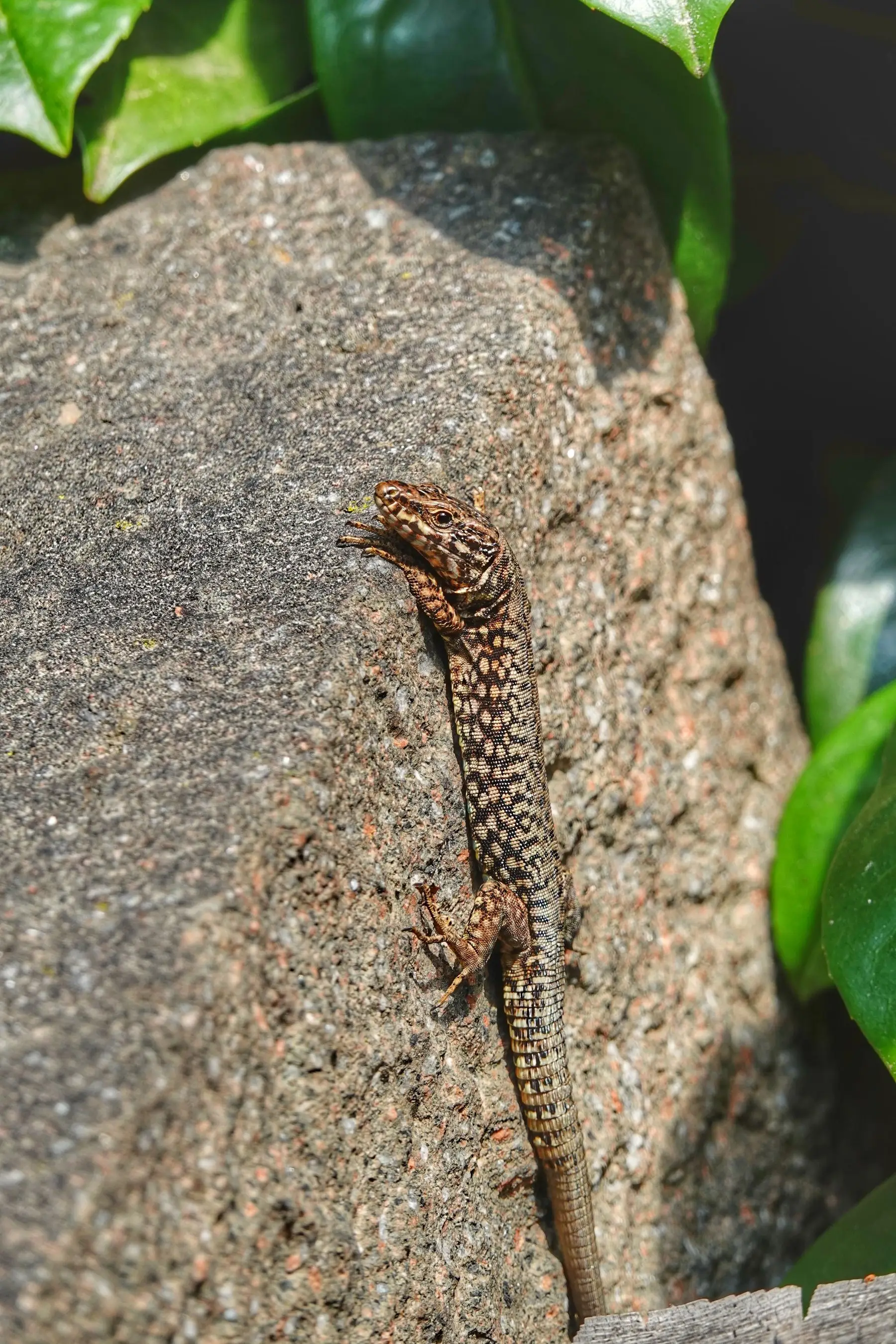
A garden lizard you have caught needs live insects, not lettuce — and almost certainly needs releasing. What to offer if you are keeping it briefly.
Where Can You Find Lizards in Your Backyard? Warm Edges
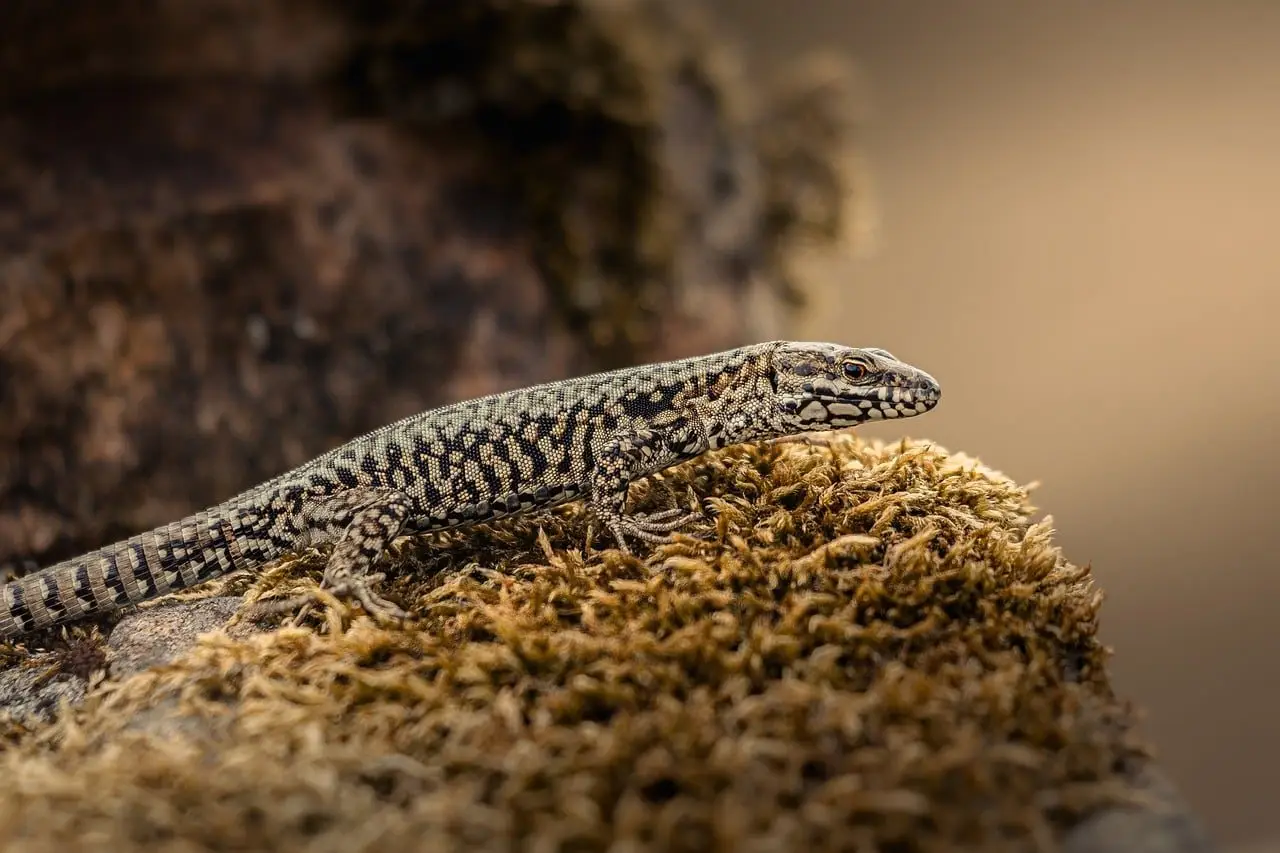
Sunlit walls, rock piles, log edges and south-facing paving in the morning. Lizards need to warm up before they can hunt, so they bask first.
Do Lizards Keep Snakes Away? And Do Frogs Attract Them?
Lizards do not repel snakes — they are prey. Frogs do not summon them either. What a yard's small animals actually tell you about its snakes.