
Do Deer Bite? Rarely — They Strike With Hooves Instead
Deer have no upper front teeth and almost never bite. What they actually do when cornered, and the two seasons when people get hurt.
 By
On this page
Deer have no upper front teeth. Biting is near the bottom of the list of things a frightened deer does — the front hooves are the part to respect.
Deer dentition
| jaw | front | back |
|---|---|---|
| Upper | no teeth — dental pad | molars, premolars |
| Lower | incisors and canines | molars, premolars |
Reading the damage in a garden
| damage | culprit |
|---|---|
| Ragged, torn shoot ends | deer — gripped and pulled |
| Clean 45° cut | rabbit — upper and lower incisors |
| Stripped bark high up | deer, or squirrel |
| Bark gnawed at ground level | rabbit or vole |
That distinction settles most “what is eating my garden” questions without seeing the animal.
Most incidents begin with a dog
A loose dog that chases or corners a deer converts a flight response into a defensive one, and the person is usually hurt trying to intervene. Lead the dog the moment deer are in sight.
The risk that actually matters
Deer are the main maintenance host for the ticks that transmit Lyme disease in much of the northern hemisphere. A garden that deer visit regularly carries a measurably higher tick burden, and that is a far more realistic health consequence than a bite.
- Check for ticks after gardening where deer browse
- Keep grass short at the margins where ticks wait
- A three-foot gravel or wood-chip strip between woodland and lawn reduces tick movement
- Treat dogs that use the same ground
Never hand-feed a deer
It is illegal in many places, it removes the animal’s flight distance, and it is the single commonest precursor to someone being injured. It also ends badly for the deer, which becomes a road casualty or a nuisance-control case.
Common questions
Do deer bite people?
Do deer have teeth at all?
When are deer actually dangerous?
What should I do if a deer approaches me?
Can you get a disease from a deer bite?
Will a deer bite if I hand-feed it?
Backyard Weekly
Know what to plant, week by week
Join the weekly email for seasonal jobs, fixes for what is going wrong, and gear worth buying.
Not ready to subscribe? The planting calendar is free and needs no email.
By subscribing you agree to our privacy policy. Grow In Backyard will never sell your address.
Keep reading
How Do Deer Defend Themselves? Running First, Hooves Second
Flight is the whole strategy; antlers are for other deer. What a deer does when cornered, and the two seasons when they are dangerous.
Do Deer Attack Humans? Rarely, But Not Never
Deer injure more people than most wild animals in North America — almost all of it in autumn rut or from a doe with a fawn. What provokes it and what to do.
Can a Deer Kill You? The Honest Risk, and When to Worry
Deer kill more people than bears and snakes combined — almost all in car collisions. Direct attacks are rare but real. When a deer is genuinely dangerous.
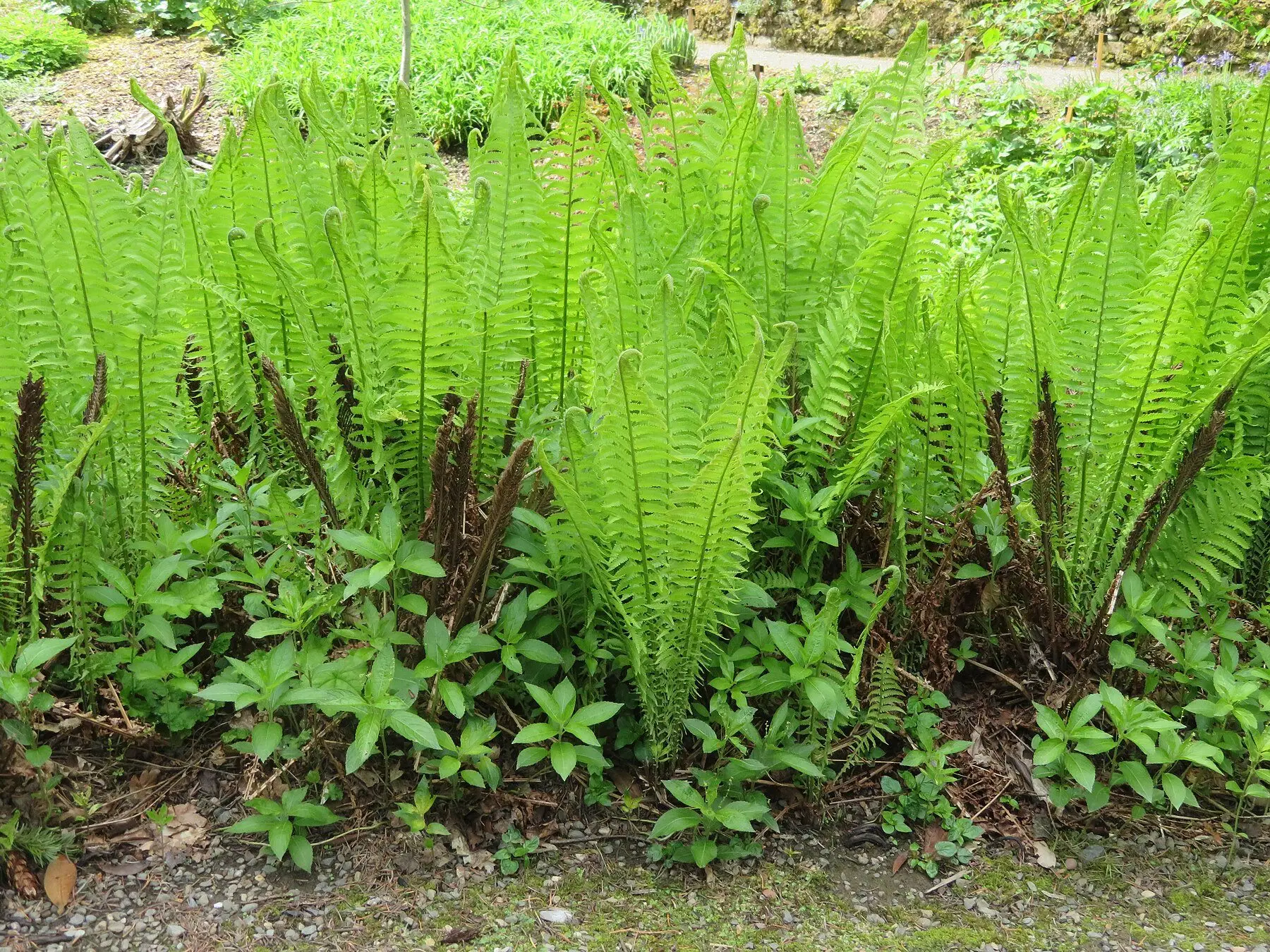
Do Deer Eat Ferns? Mostly Not, and the Exceptions Matter
Ferns are among the most reliably deer-resistant plants in a shaded garden — with a few species deer do browse, and one condition that overrides it.