
Do Backyard Lizards Have Teeth? Yes, Dozens of Tiny Ones
Garden lizards have small conical teeth fused to the jaw and replaced for life. Whether a bite breaks skin, and what to do if one does.
 By
On this page
Garden lizards have plenty of teeth — small, sharp, numerous and replaced for life. What they do not have is a bite worth worrying about.
What the teeth are for
| feature | consequence |
|---|---|
| Small, conical, numerous | grip and crush insects |
| Pleurodont (fused to jaw) | no sockets, replaced in a rolling cycle |
| No shearing surfaces | cannot gnaw wood, wire or plastic |
| Low jaw force | a pinch, not a wound |
| Continuous replacement | lost teeth regrow |
Bite severity
| lizard | bite |
|---|---|
| Anole, small gecko | pinch, rarely breaks skin |
| Wall lizard | pinch, may break skin |
| Adult skink | can draw blood |
| Monitor (not a garden animal) | serious — do not handle |
Do not pull a gripping lizard off
It will let go by itself within seconds. Pulling tears your skin and can dislocate or break the lizard’s jaw, which is a slow death for an animal that needs to grip its food.
After any handling or bite
- Wash with soap and running water — this is about salmonella, not venom
- Do not let children handle reptiles and then eat without washing
- Check tetanus cover if the skin broke
- Watch for redness, heat or swelling over the next few days
- Never handle a lizard by the tail — most species drop it, and regrowth is imperfect
A chewed hole is never a lizard
Lizards cannot gnaw. Damage to insect screening, a feed sack or a plastic container is a rodent. That distinction saves a lot of wasted effort when something is getting into a shed or greenhouse.
Common questions
Do garden lizards have teeth?
Does a backyard lizard bite hurt?
Are lizard bites dangerous?
What should I do if one bites me?
Can they chew through things?
Do they lose and regrow teeth?
Backyard Weekly
Know what to plant, week by week
Join the weekly email for seasonal jobs, fixes for what is going wrong, and gear worth buying.
Not ready to subscribe? The planting calendar is free and needs no email.
By subscribing you agree to our privacy policy. Grow In Backyard will never sell your address.
Keep reading
What Do Backyard Lizards Actually Eat?
Garden lizards eat a far narrower diet than pet-care sites suggest. What they actually hunt, and how to make a yard hold more of them.
Do Backyard Lizards Lay Eggs? Most Do, Some Give Birth
Where garden lizards nest, what the eggs look like, which species bear live young, and what to do if you dig a clutch up.
Where Can You Find Lizards in Your Backyard? Warm Edges
Sunlit walls, rock piles, log edges and south-facing paving in the morning. Lizards need to warm up before they can hunt, so they bask first.
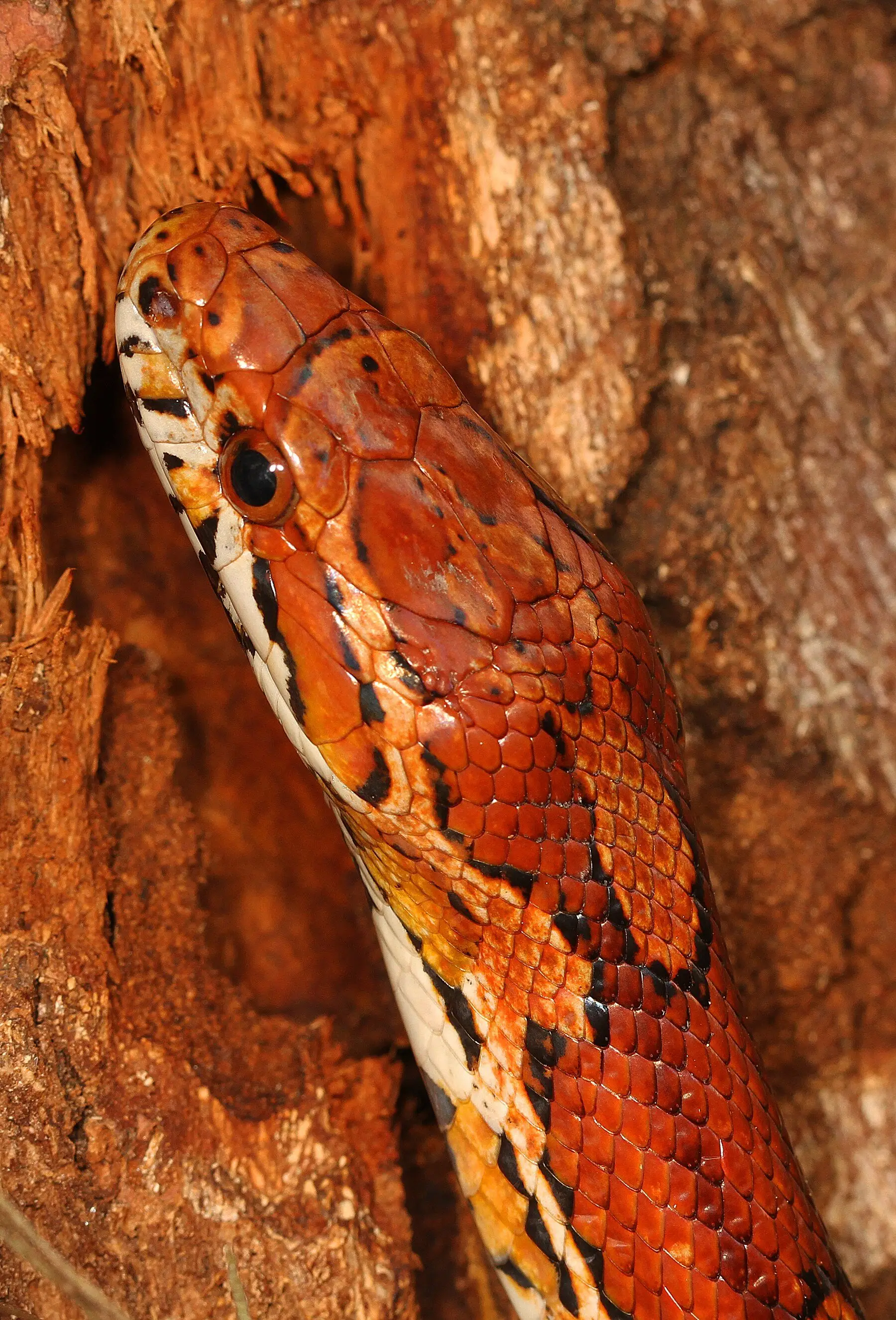
Do Corn Snake Bites Hurt? What to Expect and What to Do
Corn snakes are non-venomous and a bite from one is closer to a scratch than a puncture. Why they bite, what it feels like, and how to handle the aftermath.