
Do Backyard Birds Migrate? Some Do, Many Don't
Cardinals, chickadees and jays stay put year-round; orioles, warblers and most hummingbirds leave. How to tell which of your regulars is which.
 By
On this page
The autumn feeder does not empty because the birds died or because you did something wrong. Roughly half your regulars stay, and the ones that leave are the ones that eat flying insects.
Who stays and who goes
| bird | winter | what it eats in winter |
|---|---|---|
| Northern cardinal | stays | seed, berries |
| Black-capped chickadee | stays | seed, dormant insects, caches |
| Tufted titmouse | stays | seed, nuts |
| Blue jay | mostly stays | acorns, mast, caches |
| Downy woodpecker | stays | bark insects, suet |
| American goldfinch | stays, duller plumage | thistle and seed |
| Baltimore oriole | leaves | — nectar and insects |
| Ruby-throated hummingbird | leaves | — nectar and midges |
| Barn swallow | leaves | — flying insects only |
The three autumn patterns people mistake for a problem
- Migrants gone by September. Expected. They left on schedule.
- Residents absent in October. Wild food glut. They come back with the cold.
- Goldfinches look like different birds. They are the same birds in drab winter plumage.
Leave the hummingbird feeder up two weeks past the last sighting
Departure is set by day length, so you cannot strand anyone. What you can do is refuel a late migrant passing through, which is where a September feeder earns its keep.
Consistency matters most in an ice storm
Birds do not become dependent on feeders, but they do build a route around reliable sources. A high-fat food — suet, black oil sunflower — kept topped up through a hard freeze is the one time feeding genuinely changes outcomes.
Common questions
Do backyard birds migrate?
Why do some birds stay and others go?
Where did my hummingbirds go?
Do the same individual birds come back?
Why does my feeder go quiet in autumn even for resident birds?
Should you feed through winter?
Backyard Weekly
Know what to plant, week by week
Join the weekly email for seasonal jobs, fixes for what is going wrong, and gear worth buying.
Not ready to subscribe? The planting calendar is free and needs no email.
By subscribing you agree to our privacy policy. Grow In Backyard will never sell your address.
Keep reading
Why Did My Hummingbirds Leave? What Actually Triggers It
Hummingbirds vanish for four different reasons, and only one is migration. Day length drives departure — your feeder has nothing to do with it.
Best Bird Food to Attract Colorful Birds — 6 by Species
The best bird food to attract colorful birds changes by species. 6 foods matched to cardinals, orioles, bluebirds and more. See which to put out first.
Do Birds Return to the Same Nest? Usually the Site, Not the Nest
Most songbirds build fresh each time, but return to the same territory year after year. Which species reuse nests, and what that means for your boxes.
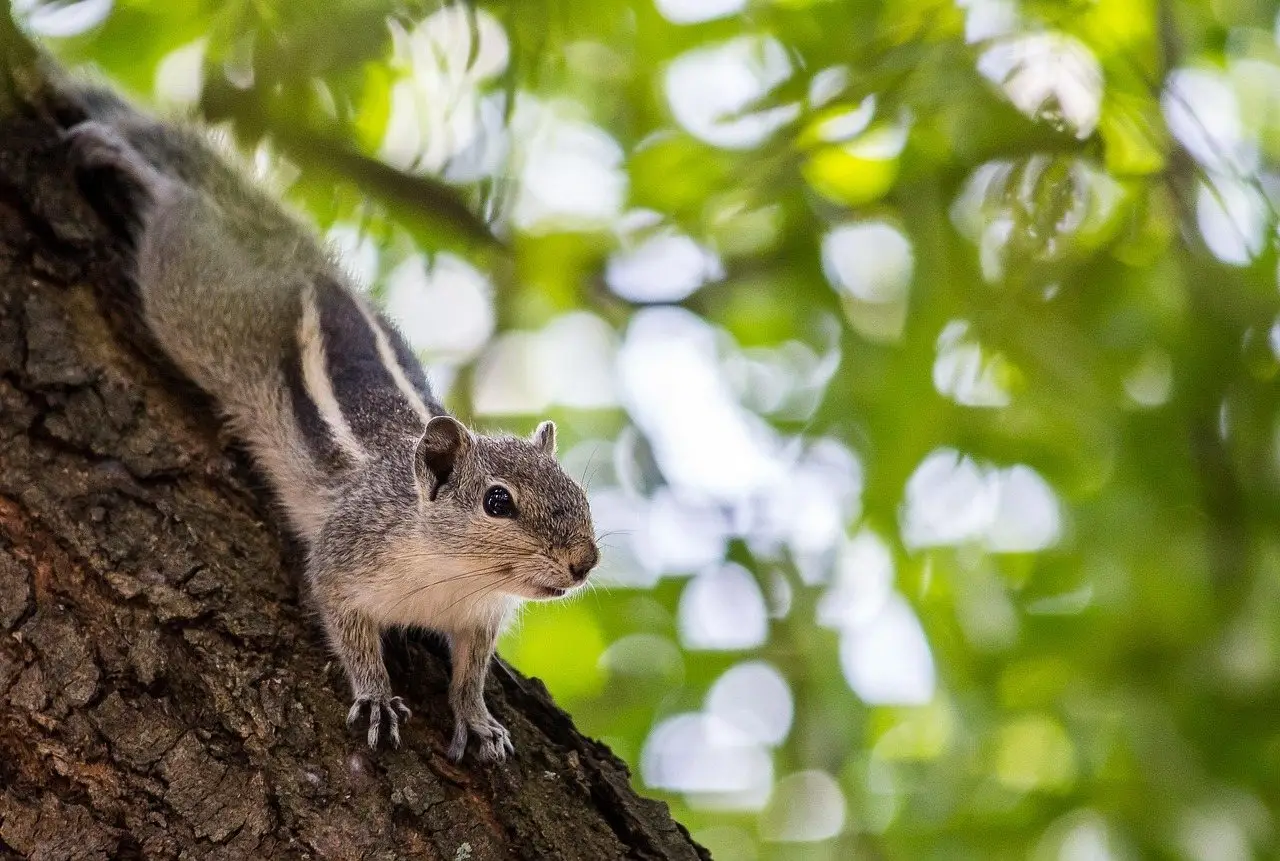
Do Bird Spikes Work for Squirrels? No — They Use Them
Spikes are spaced and sized for birds. Squirrels walk between them, climb over, and sometimes nest on them. What stops a squirrel instead.