
Can You Own a Chipmunk? Legal in Some States, Rarely Wise
Legality varies by state and country, wild-caught is illegal nearly everywhere, and a tame chipmunk turns at maturity. The honest picture.
 By
On this page
Legality is local and genuinely varies. The harder question is whether a chipmunk works as a pet at all — and at sexual maturity, usually not.
What the law tends to say
| situation | typical position |
|---|---|
| Captive-bred, some US states | permitted, sometimes by permit |
| Captive-bred, other US states | prohibited as native wildlife |
| Taken from the wild | prohibited nearly everywhere |
| UK / EU, Siberian chipmunk | invasive listing — no sale or breeding |
| Transport across state lines | often separately regulated |
This is the one area where general advice is useless. The agency to ask is your state fish and wildlife department, or the national equivalent.
What keeping one actually involves
| need | detail |
|---|---|
| Enclosure | tall aviary style, not a rodent cage |
| Wire | solid metal — they chew plastic and soft mesh |
| Substrate | deep, for burrowing |
| Nest boxes | several, so one can be abandoned |
| Diet | seeds, nuts, fruit, insects, greens |
| Winter | cool dark space for torpor |
The turn at maturity is the rule
A hand-raised chipmunk that is affectionate at four months frequently becomes territorial and bites at sexual maturity. It is normal development rather than a training failure, and it is why these animals are surrendered.
The better use of the interest
- Log and rock piles give chipmunks the cover they need
- Dense low planting at bed edges, so they can move without crossing open ground
- Keep cats in at dawn and dusk
- Watch rather than keep — they are diurnal and visible, unlike most small mammals
- Call a licensed rehabilitator for a genuinely injured or orphaned animal
A chipmunk in the garden is already yours to enjoy
They are active in daylight, hold small home ranges, and habituate to a quiet observer within a season. That is most of what people want from keeping one, with none of the legal or welfare problems.
Common questions
Is it legal to own a chipmunk?
Can I keep a chipmunk I caught in my garden?
Do chipmunks make good pets?
What would a chipmunk need?
Do they carry disease?
What should I do with a chipmunk I want to help?
Backyard Weekly
Know what to plant, week by week
Join the weekly email for seasonal jobs, fixes for what is going wrong, and gear worth buying.
Not ready to subscribe? The planting calendar is free and needs no email.
By subscribing you agree to our privacy policy. Grow In Backyard will never sell your address.
Keep reading
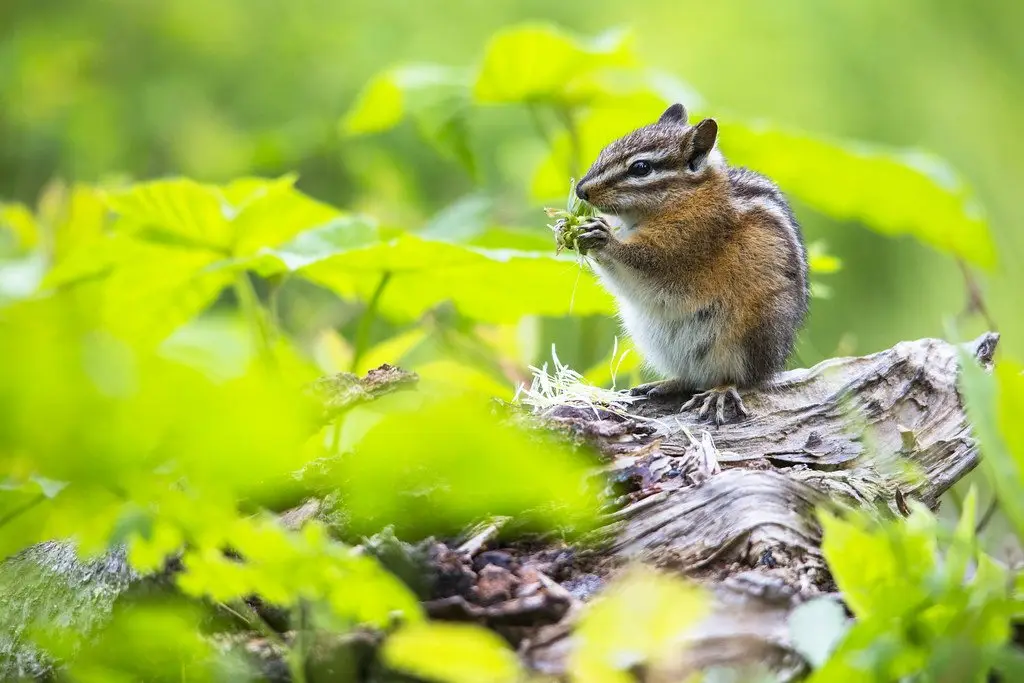
Can a Chipmunk Be a Pet? The Legal and Practical Answer
Taking a wild chipmunk is illegal in most states and a poor idea everywhere. What the law says, what captive Siberian chipmunks need, and the honest verdict.
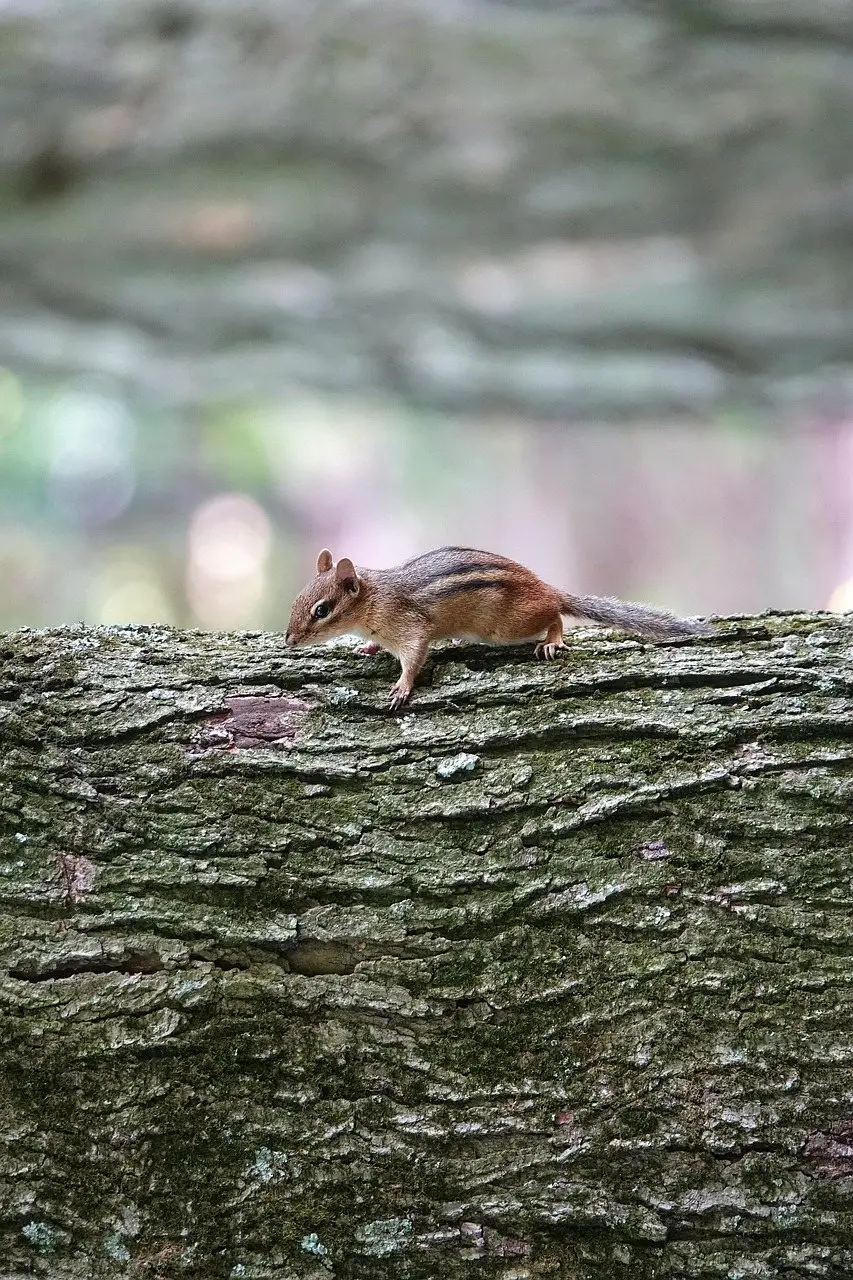
Life Cycle of Chipmunks: Birth to Burrow in One Year
Chipmunks are blind and hairless for a month, independent by eight weeks, and breeding by the next spring. Most never reach their second birthday.
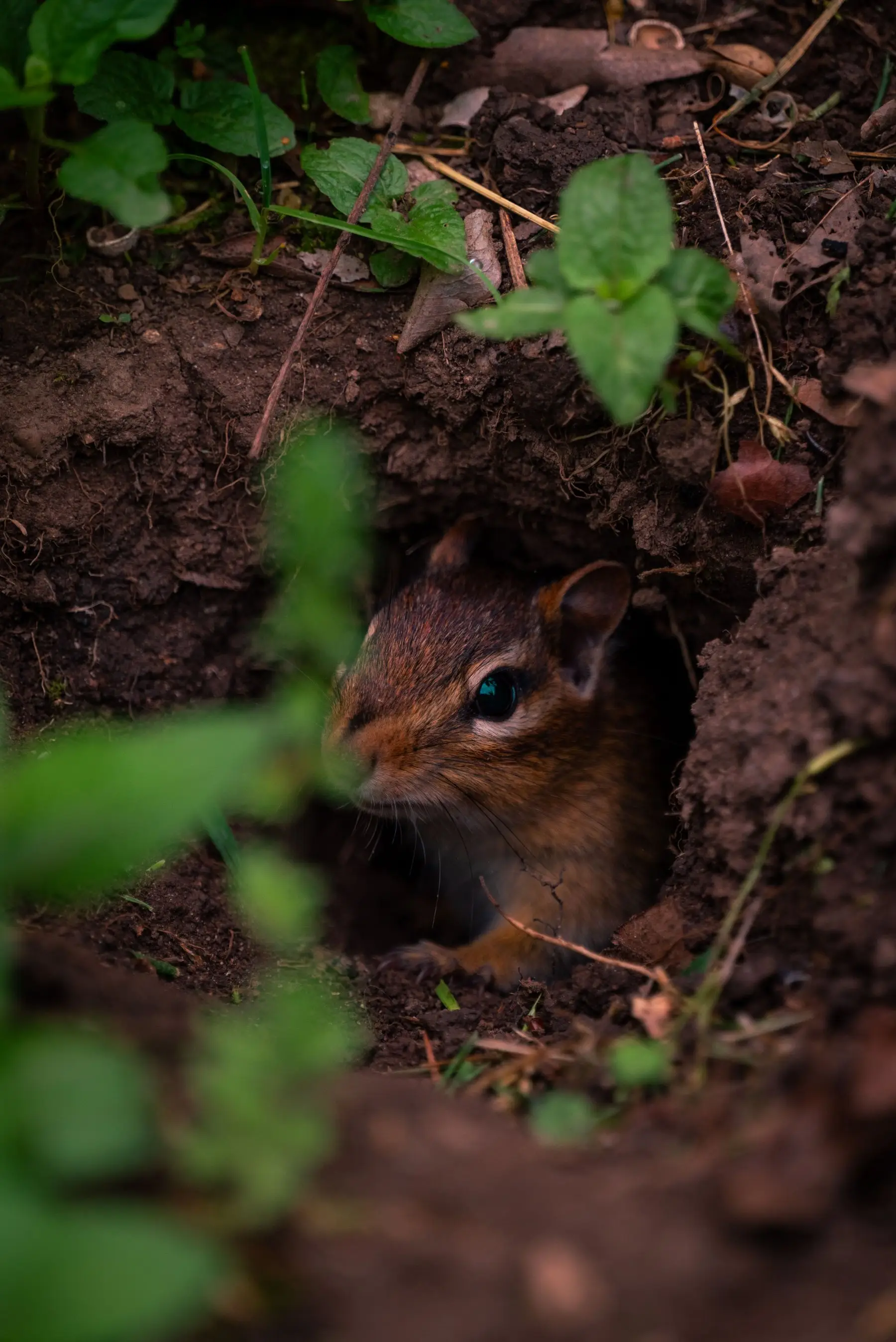
Where Do Chipmunks Sleep? Inside a Burrow You Never See
Chipmunks sleep in a nest chamber deep in a burrow system with a hidden entrance. How the tunnels are built, and what they do through the winter.
Cayenne Pepper Spray for Squirrels — 5 Uses Compared
Cayenne pepper spray for squirrels works on taste, and only while dry. 5 uses compared on bulbs, bark and feeders. See where it earns its place.