
Can Tortoises Eat Money Plant? Depends Which Plant
Jade is low-risk, pothos is toxic, and both are called money plant. How to tell them apart before anything goes in the enclosure.
 By
On this page
Three unrelated plants share the name “money plant”, and one of them is toxic. Identifying which one you own is the whole of the answer.
Which money plant is it?
| name | species | growth | tortoise |
|---|---|---|---|
| Money plant (South Asia) | Epipremnum aureum (pothos) | trailing vine, heart-shaped leaves | toxic — avoid |
| Money plant / jade | Crassula ovata | upright succulent, thick oval leaves | low-risk |
| Money tree | Pachira aquatica | braided trunk, finger-like leaflets | non-toxic, not food |
Signs of oxalate irritation
| sign | urgency |
|---|---|
| Drooling, foamy mouth | watch closely |
| Pawing or rubbing at the face | watch closely |
| Refusing food | call a vet |
| Visible oral or throat swelling | vet, same day |
| Laboured breathing | emergency |
Take a piece of the plant to the vet
Species identification changes the treatment, and “money plant” tells a vet nothing. A leaf and stem in a bag removes the guesswork.
What to plant for browsing instead
- Dandelion — leaf and flower, the single best staple
- Plantain (Plantago), sow thistle, hawkbit
- Clover and mallow
- Bramble leaf — tough, fibrous, well taken
- Hibiscus leaf and flower
- Coarse grasses
Treat houseplants as off-limits full stop
A tortoise roaming a room samples things, and the list of toxic common houseplants is long — dieffenbachia, philodendron, peace lily, ivy, azalea and more. A planted browse area outside the room is simpler than policing what it reaches.
Common questions
Can tortoises eat money plant?
How do I tell them apart?
What does calcium oxalate actually do?
Should I let a tortoise browse houseplants at all?
What should be growing in the enclosure instead?
What should I do if mine has eaten pothos?
Backyard Weekly
Know what to plant, week by week
Join the weekly email for seasonal jobs, fixes for what is going wrong, and gear worth buying.
Not ready to subscribe? The planting calendar is free and needs no email.
By subscribing you agree to our privacy policy. Grow In Backyard will never sell your address.
Keep reading
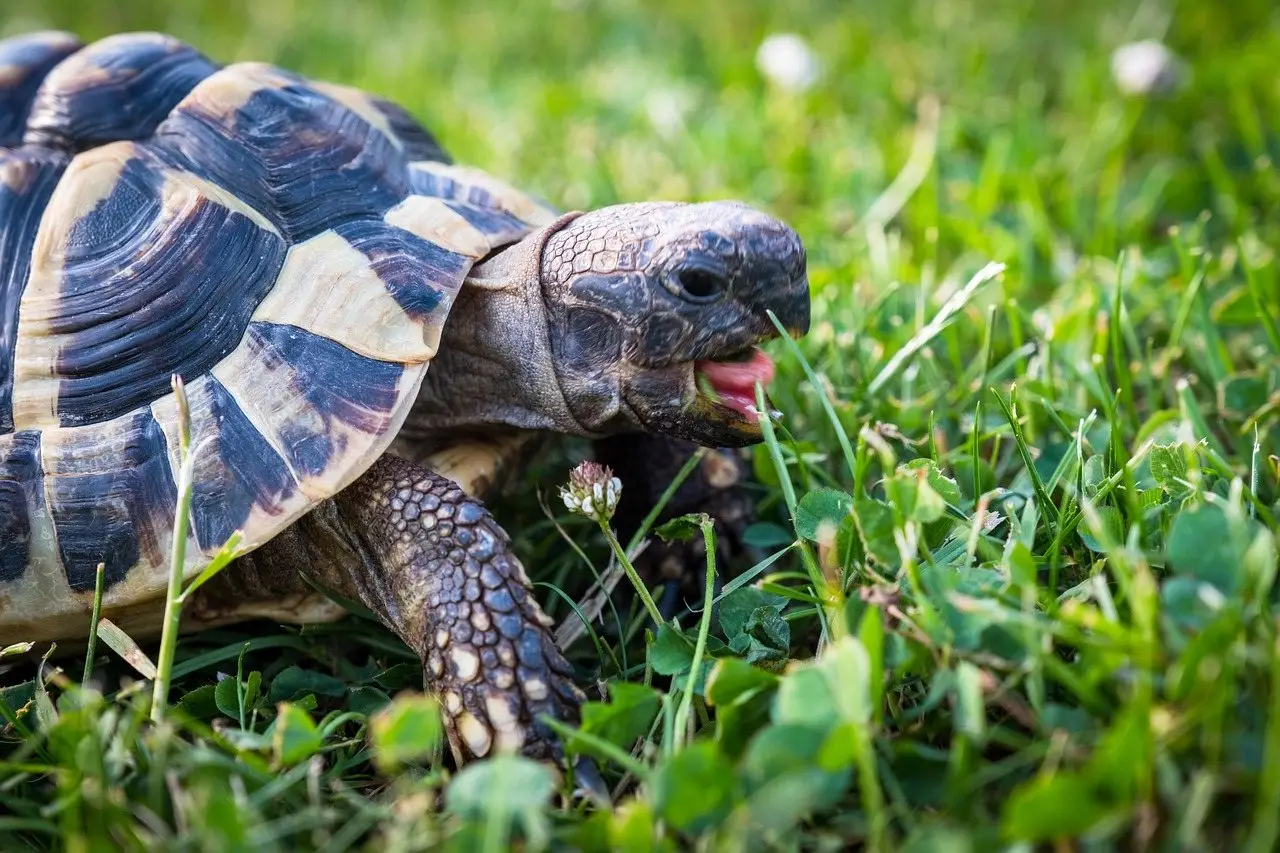
What Vegetables Can Tortoises Eat Daily? Weeds, Not Veg
Mediterranean tortoises want wild greens and weeds, not salad vegetables. The daily list, the weekly list, and why supermarket veg causes shell problems.
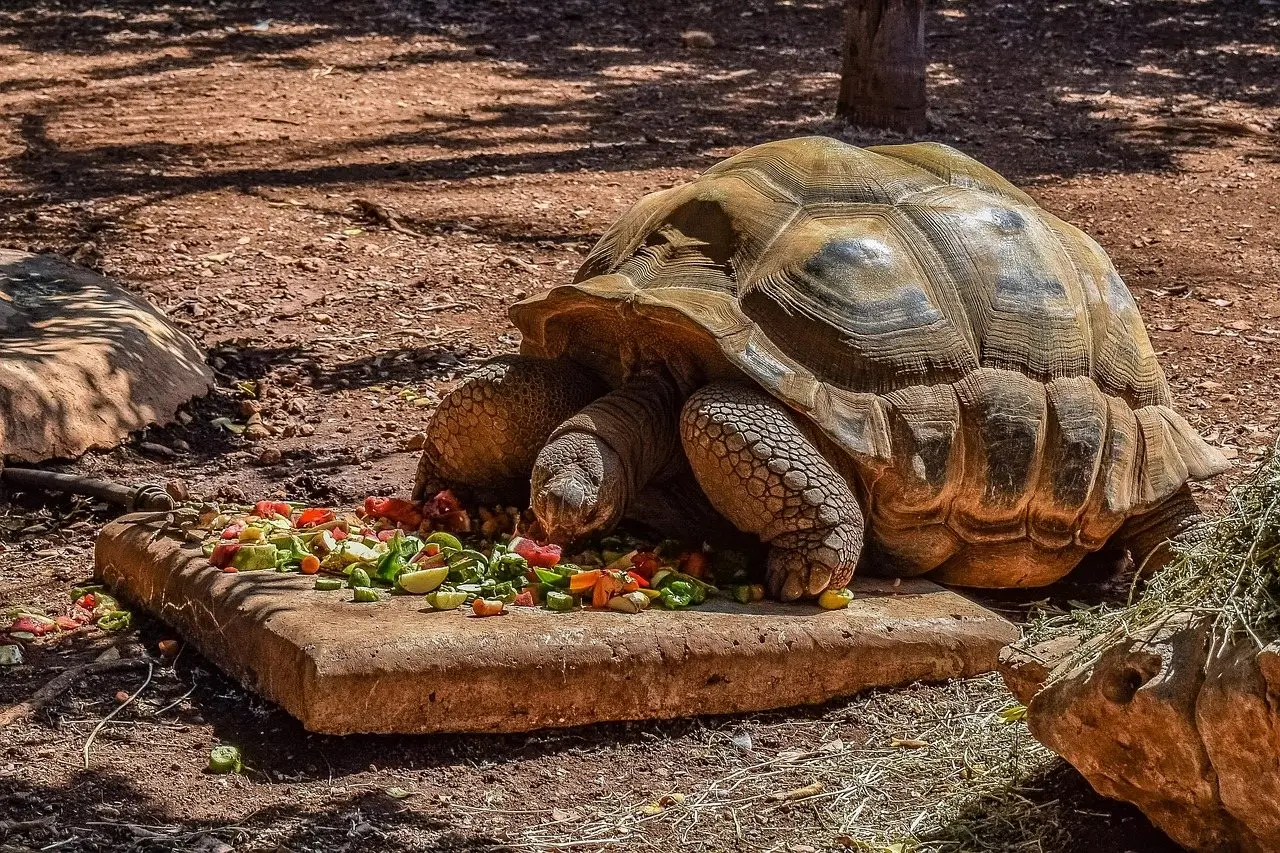
Will Tortoises Eat Poisonous Plants? Often Yes
Wild tortoises avoid most toxic plants, but captive ones in a small enclosure will eat them. Never rely on instinct — remove the plant instead.
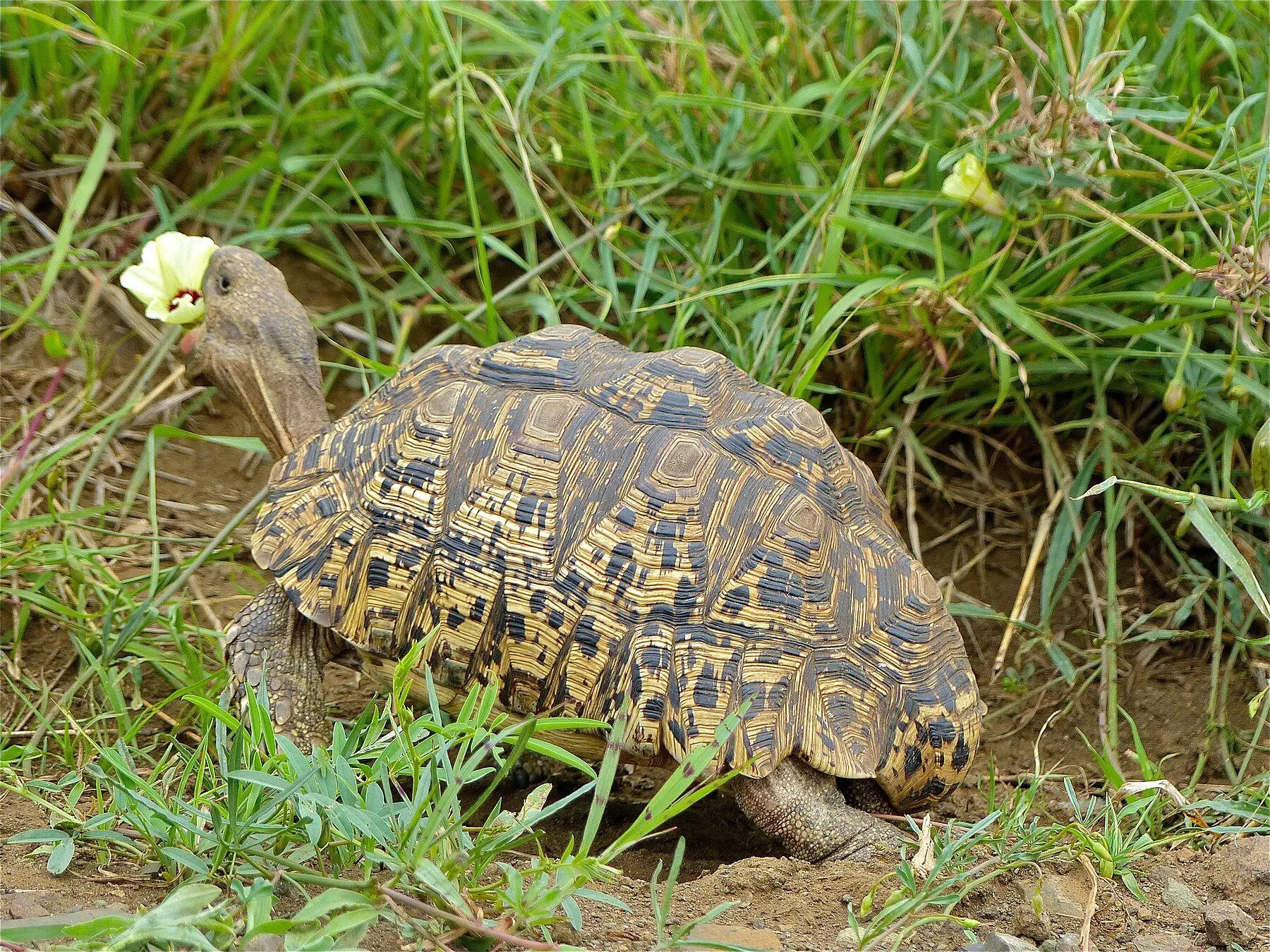
What Flowers Can Tortoises Eat? A Safe and Unsafe List
Hibiscus, dandelion, nasturtium and rose are all safe and popular. The flowers that are genuinely toxic, and why variety matters more than any one.
Can Turtles Be in Cold Water? Wild Ones Yes, Pets No
Native pond turtles overwinter under ice by slowing their metabolism to almost nothing. A tropical pet turtle in cold water is a medical emergency.