
Can Rabbits Live Outside in Winter? Yes, If Kept Dry
Rabbits handle cold far better than heat, but not wet or wind. The hutch changes, water management and the moves that actually matter.
 By
On this page
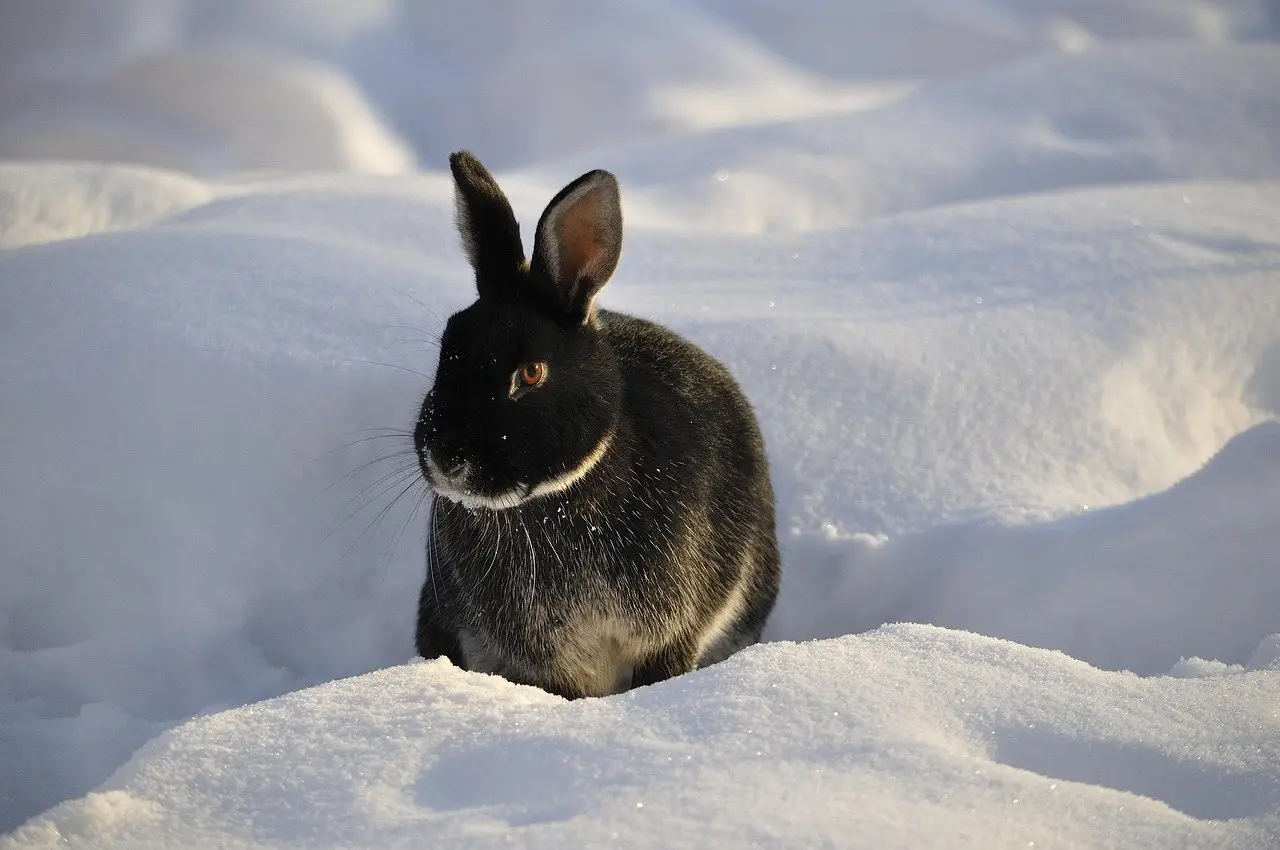
Rabbits are a cold-weather animal that fails in the wet. An acclimatised rabbit in a dry, draught-free, deeply bedded hutch handles a hard frost comfortably; the same rabbit on damp bedding in a through-draught does not.
Temperature, honestly
| temperature | status |
|---|---|
| Above 28°C | dangerous — heatstroke |
| 10–20°C | ideal |
| 0–10°C | fine, watch the water |
| -10 to 0°C | fine if dry, bedded, draught-free |
| Below -10°C | move to a shed or insulate heavily |
The winter hutch
| change | why |
|---|---|
| Raise off the ground on legs or blocks | stops damp rising |
| Move to a wall, back to the wind | kills the through-draught |
| Tarpaulin or hutch cover at night, front left part-open | rain out, ventilation kept |
| Deep straw over hay, topped daily | straw insulates, hay is food |
| Cardboard or carpet offcut under the sleeping area | cheap floor insulation |
| Heavy ceramic water bowl | freezes slower than a bottle |
Never seal the hutch up
Covering the front completely traps moisture from breath and urine, and a damp, still hutch is colder and far unhealthier than a ventilated one. Leave a gap, always.
Daily winter routine
- Check the water twice — morning and dusk, swap for a thawed spare
- Feel the bedding at the back of the sleeping area; damp means strip it today
- Top up straw rather than replacing everything, so the nest shape survives
- Check eating and droppings — reduced output is the first sign of gut stasis
- Keep exercise going: a covered run or shed floor time, even in bad weather
A companion is worth more than a heat pad
A bonded pair huddle, and two rabbits in one nest hold heat far better than one with any amount of bedding. Where keeping a single outdoor rabbit through winter is the plan, bonding a companion is the single biggest improvement available.
Common questions
Can rabbits safely live outdoors through winter?
How cold is too cold for a rabbit?
What are the actual winter dangers?
How do I stop the water freezing?
Should I bring the hutch into a shed or garage?
Can a house rabbit be moved outside for winter?
Backyard Weekly
Know what to plant, week by week
Join the weekly email for seasonal jobs, fixes for what is going wrong, and gear worth buying.
Not ready to subscribe? The planting calendar is free and needs no email.
By subscribing you agree to our privacy policy. Grow In Backyard will never sell your address.
Keep reading
What Is the Best Type of Rabbit Hutch — 3 Sizes Up
What is the best type of rabbit hutch comes down to floor area. 3 options compared, plus the cheap size fix. See which suits your rabbit.
Where Should I Keep My Pet Rabbit? Indoors vs Outdoors
Rabbits live longer indoors, and the reasons are specific. Space minimums, the outdoor hazards that kill, and what a workable setup looks like either way.
Can I Raise Rabbits in My Backyard? Check the Zoning First
Most places allow pet rabbits and restrict meat production. The ordinance questions to ask, hutch requirements, and the heat limit that kills rabbits.
Do Rabbits Like to Be Held? Almost None Do
Stillness when lifted is usually fear, not contentment. What the freeze response means, how to build trust instead, and when lifting is necessary.