
Can I Raise Rabbits in My Backyard? Check the Zoning First
Most places allow pet rabbits and restrict meat production. The ordinance questions to ask, hutch requirements, and the heat limit that kills rabbits.
 By
On this page
Usually yes for pets, often no for meat. Rabbits are classed as pets in most residential zoning, and the restrictions that exist tend to land on numbers, breeding and slaughter rather than on keeping.
The questions to ask before anything else
Call your municipal clerk or animal control, and ask about each of these specifically:
- Are rabbits classed as pets or livestock here? This single answer usually decides the rest
- Is there a number limit — per species, or a combined pet cap?
- Is a permit or registration required?
- Are there setback rules — minimum distance from property lines or neighbours’ dwellings?
- Is breeding or selling restricted?
- Is slaughter permitted on residential property?
- What does my HOA say? Covenants frequently outrank the municipal position
Permission to keep is not permission to process
This is the gap that catches people. A code can allow rabbits as pets with no limit and separately prohibit slaughtering any animal on residential property, or treat meat production as an agricultural use the zoning excludes. Look for the word slaughter rather than reasoning from the keeping rules.
Space, which is where most setups fall short
A standard pet-shop hutch is below every welfare guideline in use.
| minimum | |
|---|---|
| Permanent enclosure for a pair (UK guidance) | about 3 × 2 × 1 m |
| Hops across the enclosure | three consecutive |
| Standing height | full upright, ears clear of the roof |
| Shelter | dry, draught-free, with a hide |
Think of it as a hutch attached to a run, permanently, rather than a hutch the rabbit is let out of occasionally.
The two things that kill outdoor rabbits
Heat. Rabbits tolerate cold far better than heat. Above roughly 25°C they begin to struggle and above about 28°C heatstroke becomes a serious risk, because rabbits cannot pant effectively or sweat. Shade over the whole enclosure through the entire day, frozen bottles to lie against, and ventilation are not optional in summer.
Flystrike. Blowflies lay eggs around a damp or soiled rear end, and larvae hatch within hours. It is fast, it is agonising, and it kills. The defence is a physical check of the rear end at least once and ideally twice daily through warm weather — looking at the rabbit across the garden does not count.
The rest of the setup
- A compatible neutered pair. Rabbits are social; a single rabbit is a welfare problem
- Unneutered pairs breed astonishingly fast — this is how people exceed their limit in a season
- Predator-proof mesh, welded not chicken wire, with a roof and a dig barrier
- Unlimited hay, which is most of the diet and what keeps teeth and guts working
- Non-slip surfaces where they spend time
- Raised off the ground, waterproof, out of the prevailing wind
- Water checked twice daily for freezing in winter
Why indoors keeps coming up
House rabbits commonly live eight to twelve years against four to six for a typical outdoor hutch rabbit. The gap is predator stress, temperature extremes, flystrike going unnoticed, and illness being spotted a day late in an animal that hides symptoms by instinct.
Outdoors is entirely workable. It just takes a bigger enclosure than most people buy and a daily hands-on check that most people skip.
Common questions
Is it legal to keep rabbits in a backyard?
How many rabbits can I keep?
Do backyard rabbits need a licence?
What do rabbits need in a backyard?
Is it hard to raise rabbits outdoors?
Can I raise rabbits for meat in a residential area?
Backyard Weekly
Know what to plant, week by week
Join the weekly email for seasonal jobs, fixes for what is going wrong, and gear worth buying.
Not ready to subscribe? The planting calendar is free and needs no email.
By subscribing you agree to our privacy policy. Grow In Backyard will never sell your address.
Keep reading
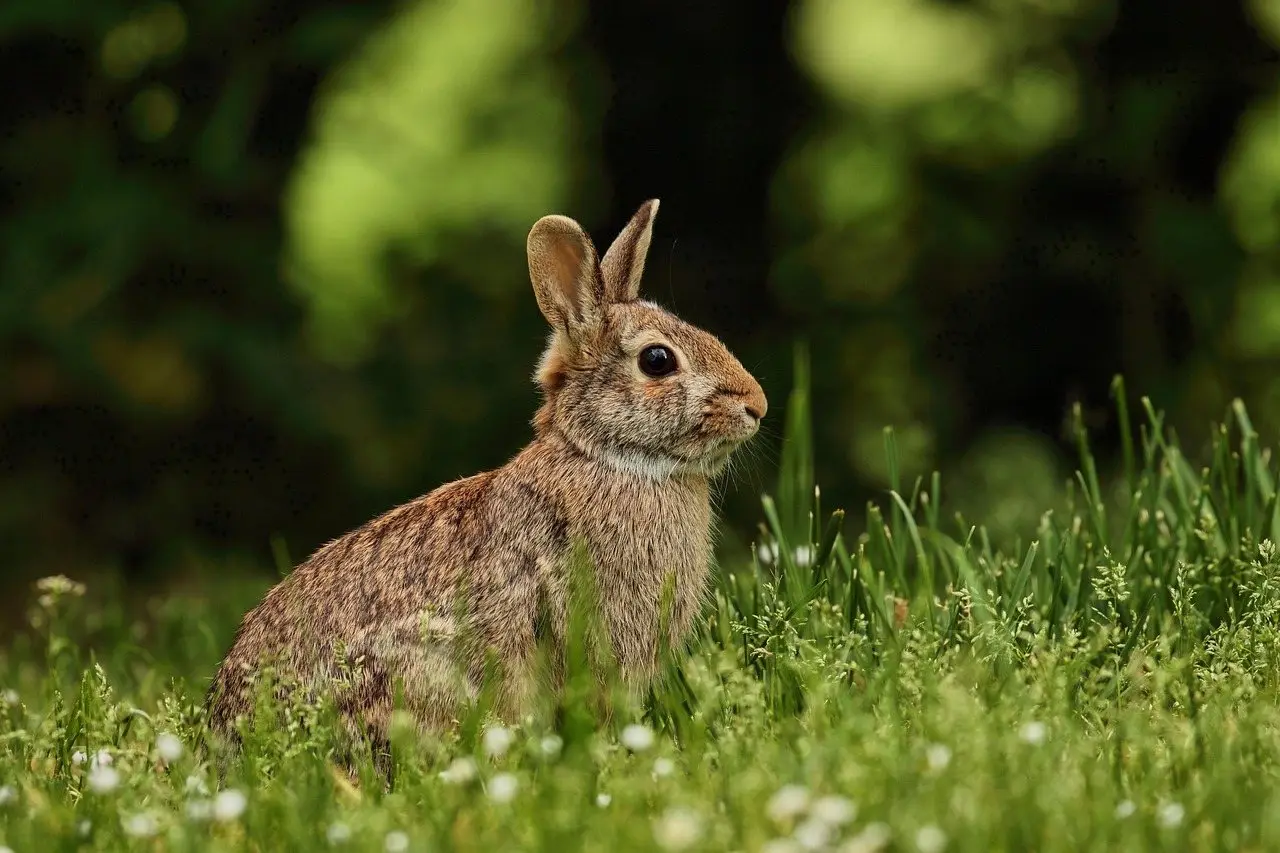
Where Should I Keep My Pet Rabbit? Indoors vs Outdoors
Rabbits live longer indoors, and the reasons are specific. Space minimums, the outdoor hazards that kill, and what a workable setup looks like either way.
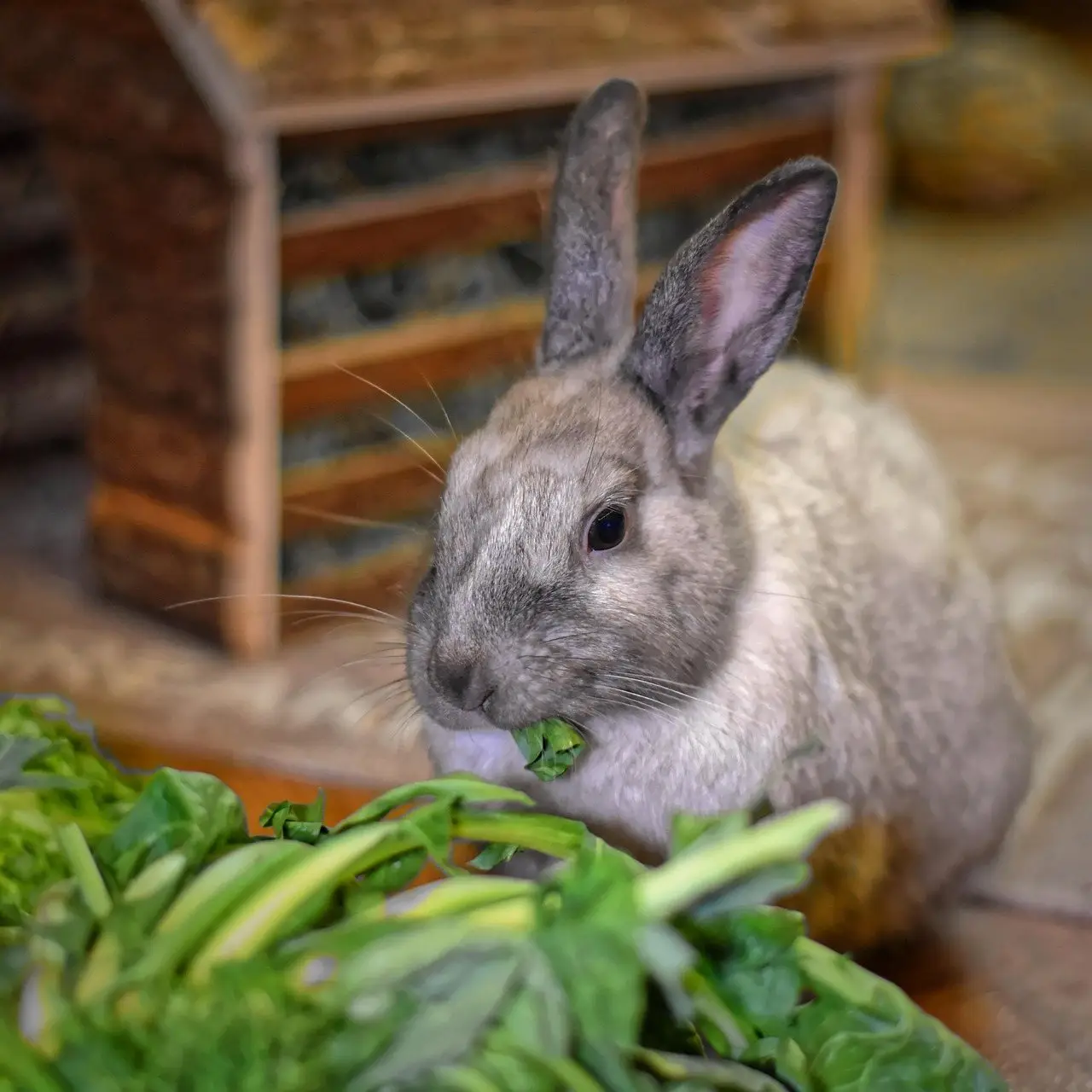
What Is the Best Type of Rabbit Hutch — 3 Sizes Up
What is the best type of rabbit hutch comes down to floor area. 3 options compared, plus the cheap size fix. See which suits your rabbit.
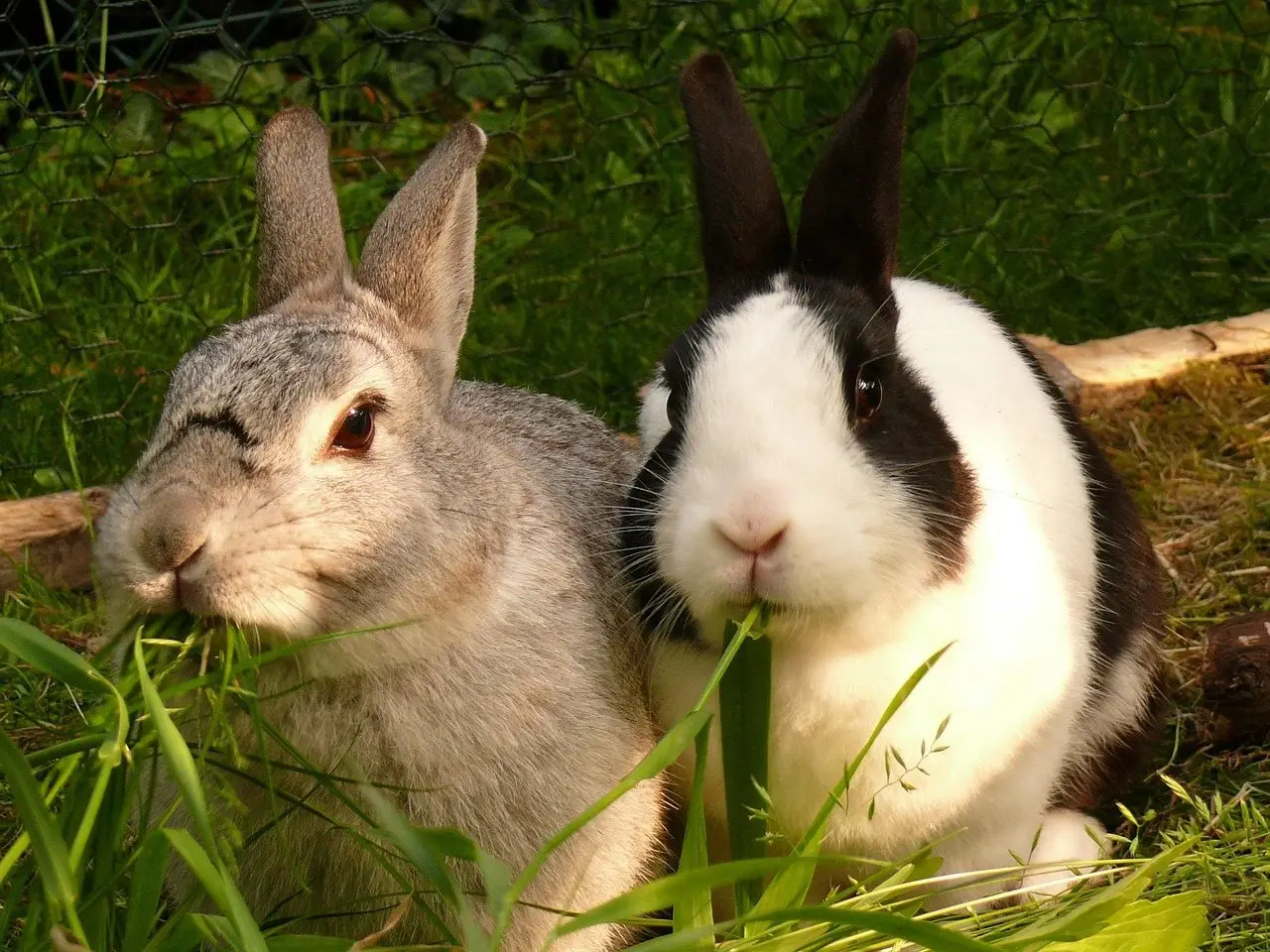
Best Rabbit Bedding for Odor Control — 5 on Absorbency
The best rabbit bedding for odor control wins on absorbency alone. 5 materials compared, including the unsafe ones. See which suits your hutch.
Can Rabbits Live Outside in Winter? Yes, If Kept Dry
Rabbits handle cold far better than heat, but not wet or wind. The hutch changes, water management and the moves that actually matter.