
Do Rabbits Like to Be Held? Almost None Do
Stillness when lifted is usually fear, not contentment. What the freeze response means, how to build trust instead, and when lifting is necessary.
 By
On this page
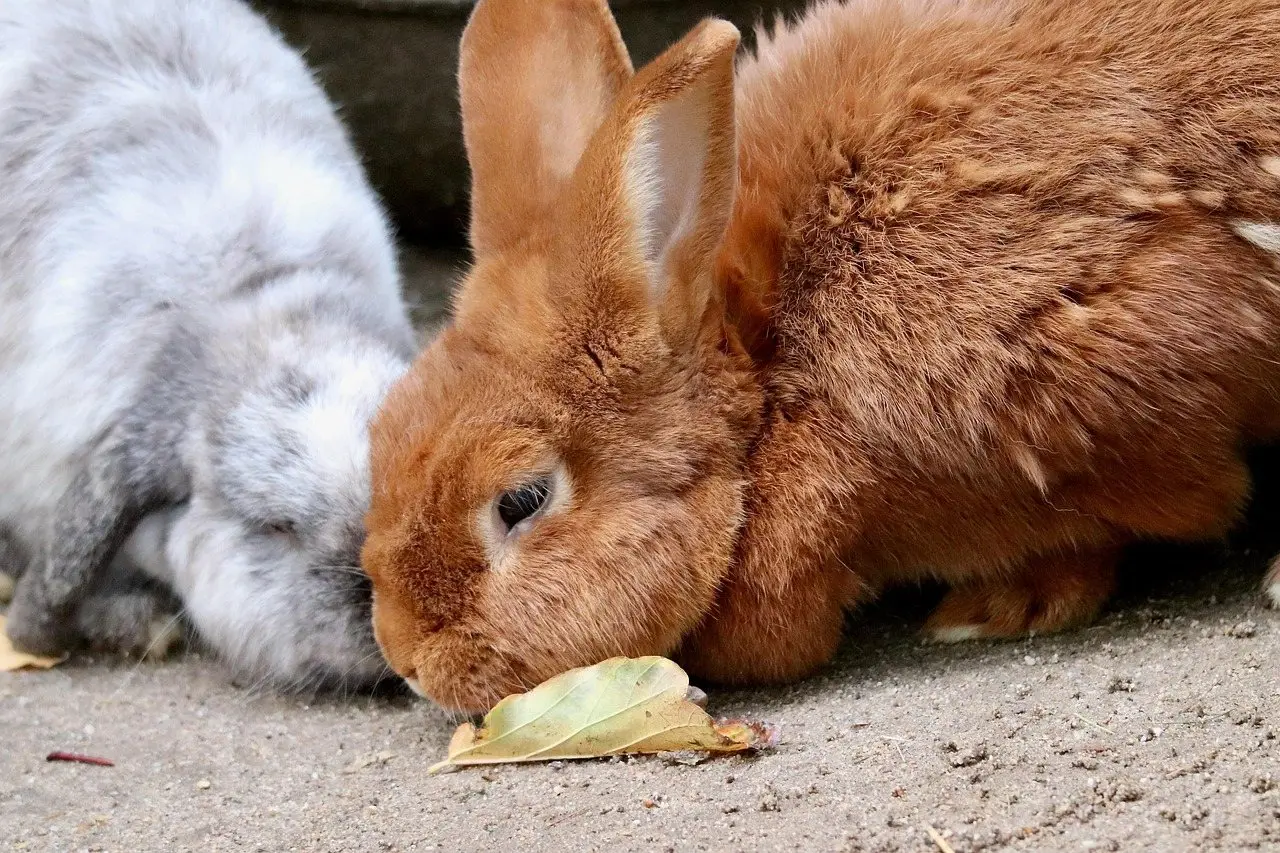
A rabbit that goes still in your arms is usually not relaxed. It is doing what a prey animal does when something has lifted it off the ground.
Reading the body language
| sign | meaning |
|---|---|
| Loose ears, soft body, slow tooth-purring | relaxed |
| Rigid body, fast shallow breathing | frightened |
| Wide eyes, flattened ears | frightened |
| Total stillness, then sudden violent struggle | it was fear throughout |
| Flopping over on its side nearby | deeply relaxed — the real thing |
Where rabbits like and dislike being touched
| likes | dislikes |
|---|---|
| Forehead | Belly |
| Base of the ears | Feet |
| Cheeks | Tail and hindquarters |
| Along the back, gently | Being lifted |
A kick while held can break the spine
Rabbit skeletons are light relative to their muscle power. A panicked twist in mid-air is a documented cause of spinal fracture, and it is why hindquarters must always be supported and why children should not carry rabbits.
The method, when you have to
- Approach from the side, at their level — coming from above reads as a bird of prey
- One hand under the chest, the other under the hindquarters, taking the full weight
- Bring it against your body at once, so it feels contained rather than suspended
- Stay sitting or kneeling — never carry a rabbit while standing
- Set it down before it struggles, facing away from you so it can move off
Sit on the floor and wait
The fastest route to a rabbit that trusts you is to stop initiating contact. Sit on the floor with something to read, let it approach in its own time, and reserve lifting for carrier transfers and health checks. Most people see a difference within a fortnight.
Common questions
Do rabbits like being picked up?
How can I tell whether mine is frightened or relaxed?
Is holding a rabbit dangerous for it?
How should I pick one up when I have to?
What do rabbits actually enjoy?
Will it ever get used to being held?
Backyard Weekly
Know what to plant, week by week
Join the weekly email for seasonal jobs, fixes for what is going wrong, and gear worth buying.
Not ready to subscribe? The planting calendar is free and needs no email.
By subscribing you agree to our privacy policy. Grow In Backyard will never sell your address.
Keep reading
Are Lop Eared Rabbits Friendly? Calm, With a Health Cost
Lops are genuinely placid and easier to handle than most breeds — and the same skull shape causes ear and dental problems. The honest trade.

Where Should I Keep My Pet Rabbit? Indoors vs Outdoors
Rabbits live longer indoors, and the reasons are specific. Space minimums, the outdoor hazards that kill, and what a workable setup looks like either way.
Do Rabbits Like to Burrow? It Is a Hard-Wired Need
Domestic rabbits keep the full digging instinct. What happens without an outlet, and the digging boxes and run bases that satisfy it.
Do Rabbits Damage Lawns? Less Than You'd Think
Rabbit grazing rarely harms an established lawn — it acts like close mowing. Digging, urine burn and warren entrances are the real damage.