
What Makes Grass Grow Faster? Temperature First
Soil temperature sets the ceiling, then water, nitrogen and light. What genuinely speeds grass up and what is sold as doing it.
 By
On this page
Grass speed is set by soil temperature, and everything else operates under that ceiling. This is why the same lawn grows two inches a week in May and almost nothing in August.
What actually controls the rate
| factor | effect | what to do |
|---|---|---|
| Soil temperature | Sets the ceiling | Work with the season; measure if unsure |
| Water | Second biggest | ~1 in a week, deep, 1–2 soakings |
| Nitrogen | Real, but capped | Max 1 lb actual N per 1,000 sq ft per feed |
| Light | Hard limit | Under 4 hours of sun will never carry dense turf |
| Mowing height | Indirect but large | 3–4 in drives deeper roots and tillering |
| Soil pH | Gatekeeper | 6.0–7.0, or nutrients lock up regardless |
| Compaction | Brake | Core aerate if the screwdriver test fails |
Growth rate by season
| grass type | peak | stalls |
|---|---|---|
| Cool-season (fescue, rye, bluegrass) | Spring, early autumn | Above ~85 °F |
| Warm-season (Bermuda, zoysia) | Summer | Below ~55 °F |
In a peak week expect to mow twice, because of the one-third rule — never remove more than a third of the blade height in a single cut.
Fast is not the same as healthy
Pushing growth with nitrogen produces soft tissue, thatch, more fungal disease and a lawn that goes down first in a dry spell. A slightly slower lawn with deeper roots survives August; a forced one does not.
The remedies that do nothing
- Sugar — feeds microbes, which can tie up nitrogen and slow growth
- Epsom salts — magnesium, useful only where soil is short of it
- Beer, soda, dish soap — no mechanism
- Coffee grounds as a feed — very weak, and they mat if laid thickly
These persist because they get applied in spring, when the lawn was going to grow anyway.
If the real goal is a thicker lawn
- Raise the mowing height to 3–4 inches — free, immediate
- Overseed in early autumn — the only thing that adds plants
- Water deeply, not daily
- Soil test and correct pH before feeding harder
- Aerate only if compacted
- Then feed, two to four times a year
Common questions
What makes grass grow faster than anything else?
Does more fertilizer make grass grow faster?
How fast does grass grow per week?
Do home remedies like sugar, Epsom salts or beer work?
What is the fastest way to thicken a thin lawn?
Can I speed up new grass seed?
Backyard Weekly
Know what to plant, week by week
Join the weekly email for seasonal jobs, fixes for what is going wrong, and gear worth buying.
Not ready to subscribe? The planting calendar is free and needs no email.
By subscribing you agree to our privacy policy. Grow In Backyard will never sell your address.
Keep reading
How to Make a Lawn Green and Thick: The Order That Works
Thick grass comes from mowing height, overseeding and deep watering before fertilizer. The sequence that fixes a thin lawn in one season.
How to Grow Grass Fast on Dirt: Prep Decides the Speed
Bare dirt needs loosening, compost and the right seed before it will hold grass. The sequence that gives germination in 5 to 14 days.
When to Feed a Lawn: The Calendar by Grass Type
Cool-season lawns want their main feed in early autumn, warm-season lawns in late spring. The windows, the rates and when not to feed at all.
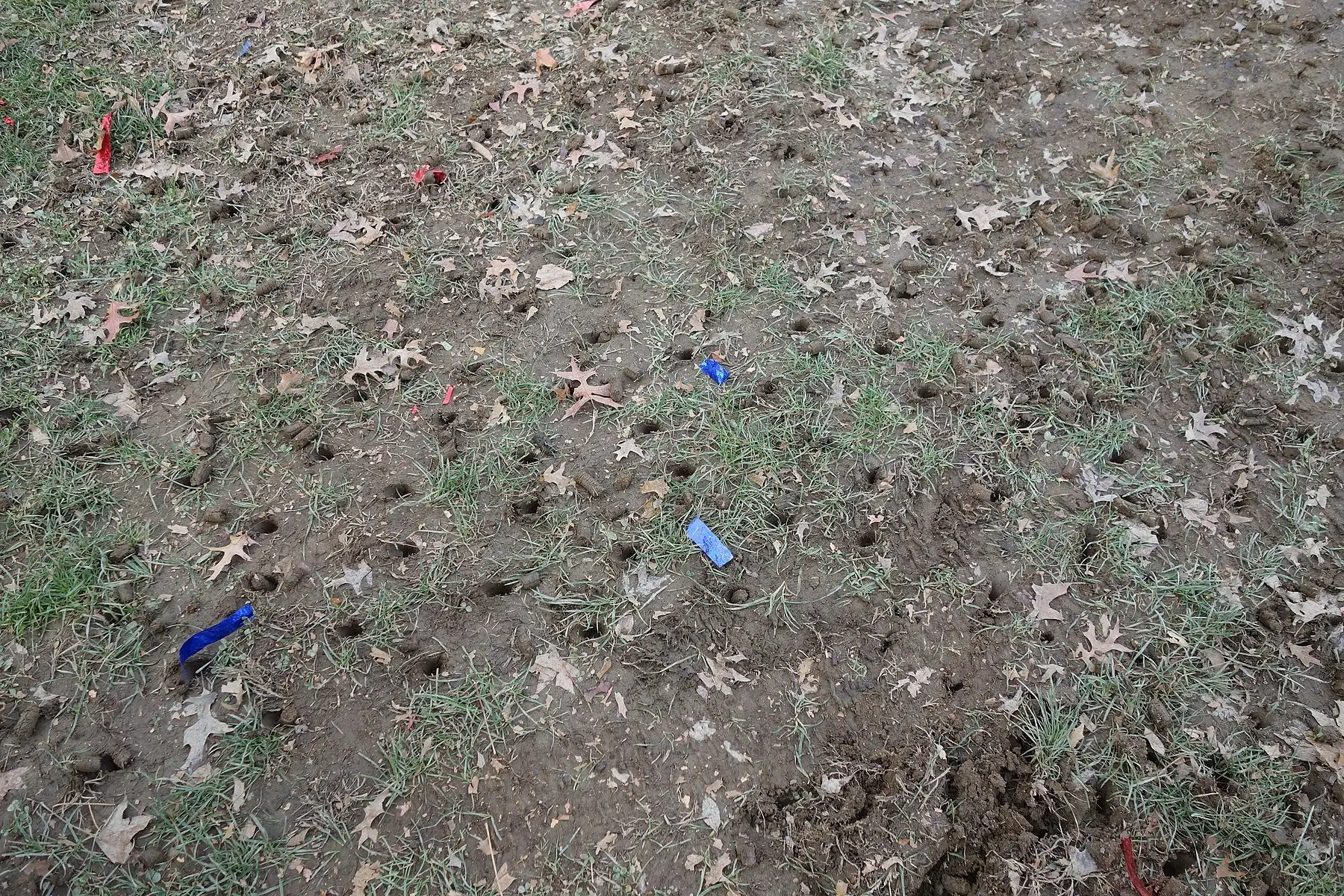
What to Do After Aerating a Lawn: The First Two Weeks
Leave the cores where they fall, overseed within 48 hours, top-dress with compost, and hold off mowing. The order matters more than the tasks.