
Best Soil for Lavender: Gritty, Alkaline and Lean
Lavender dies from wet feet and rich soil, not cold. The mix that works in beds and pots, the pH it wants, and how to fix heavy clay.
 By
On this page
Lavender wants gritty, lean and slightly alkaline. Almost every lavender that dies in a garden died of wet roots or rich soil, not of cold.
The mixes
| situation | mix |
|---|---|
| Reasonable garden soil | Plant as is; add lime if pH is under 6.5 |
| Sandy soil | Ideal already — add nothing |
| Clay | Mound or raised bed 8–12 in high, filled with gritty mix |
| Container | 2 parts soil-based compost : 1 part coarse grit or perlite |
| Very acidic soil | Lime to pH 7.0 after a test, then plant |
Never dig a gritty hole in heavy clay
Water runs into the free-draining pocket and cannot get out through the clay around it, so the hole becomes a sump. Raise the plant above the clay instead — a mound, a raised bed, or a slope.
What kills lavender
- Wet roots. Grey or blackened stem bases, wilting that watering does not fix, collapse after a wet winter
- Rich soil. Soft sappy growth, few flowers, weak scent, short life
- Shade. Leggy stems, no flowering. It needs full sun — six hours minimum
- Hard pruning into old wood. Lavender does not reshoot from bare wood. Trim by about a third after flowering, staying in green growth
- A saucer under the pot, which converts a good mix into a bog
Planting detail
- Crown slightly proud of the surrounding soil, never in a dip
- A gravel mulch rather than bark — it keeps the base dry and reflects heat
- Space generously for airflow, which prevents the fungal problems humidity brings
- Water deeply but rarely in the first season, then almost never in the ground
Common questions
What soil does lavender need?
Can lavender grow in clay soil?
What potting mix works for lavender in a pot?
Should I add compost or fertilizer to lavender?
Why is my lavender dying?
Does lavender need lime?
Backyard Weekly
Know what to plant, week by week
Join the weekly email for seasonal jobs, fixes for what is going wrong, and gear worth buying.
Not ready to subscribe? The planting calendar is free and needs no email.
By subscribing you agree to our privacy policy. Grow In Backyard will never sell your address.
Keep reading
How to Deadhead Lavender and When to Prune Harder
Deadheading after flowering keeps lavender tidy; the real work is the annual trim by a third into green growth. Never cut into bare wood.
Soil pH for Plants: A Chart of Preferred Ranges
Most garden plants want pH 6.0 to 7.0, but blueberries, azaleas and brassicas sit well outside it. A reference table by crop and ornamental.
How to Raise Soil pH: Lime, Rates and Timing
Test first, then apply the right lime at the right rate for your soil texture. Why wood ash is not a substitute, and why nothing changes for months.
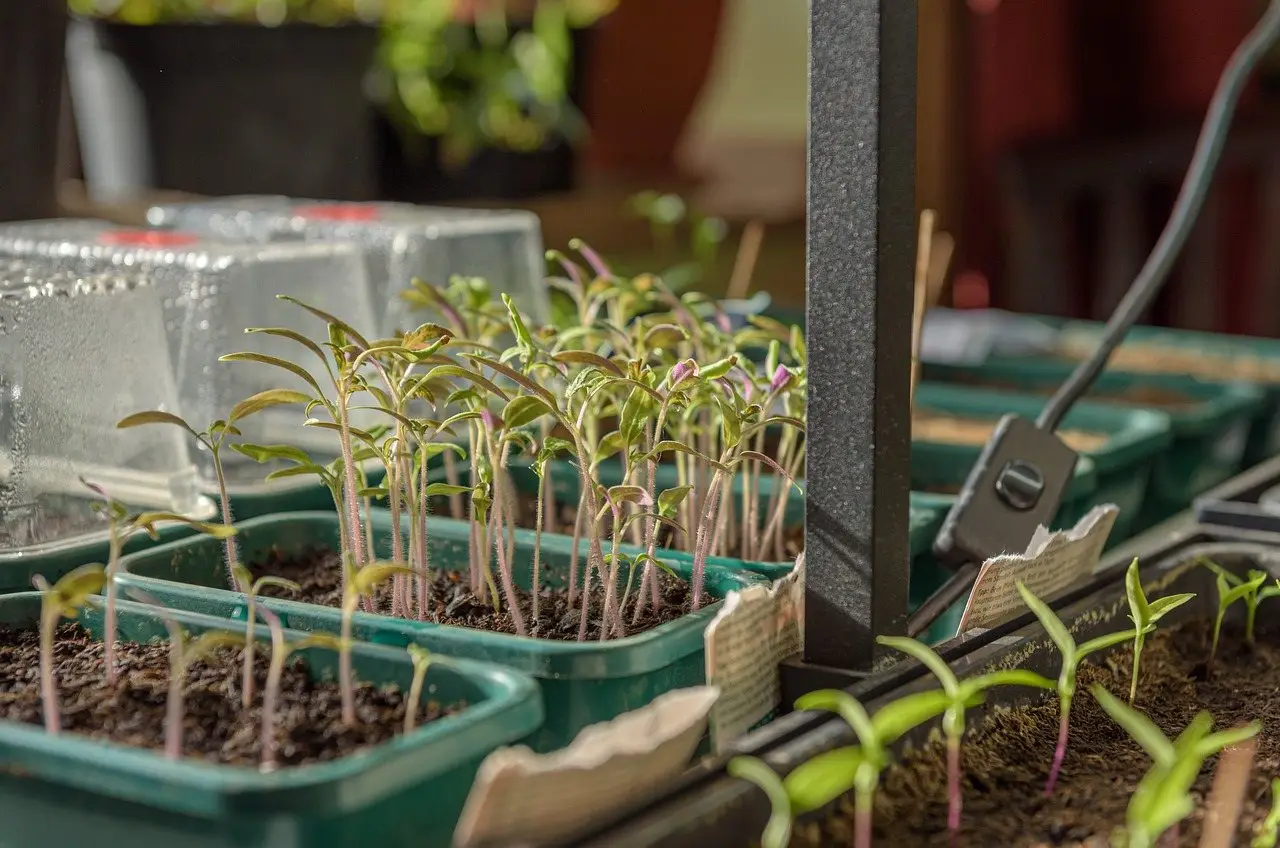
Best Soil for Seedlings: Fine, Sterile and Low in Nutrients
Seedlings need a fine, sterile, low-nutrient mix that holds moisture without staying wet. Why garden soil and standard compost both fail.