
Which Garden Plants Will Rabbits Not Eat? The Reliable List
Aromatic herbs, alliums, ferns and tough-leaved shrubs get left alone. Why no plant is truly rabbit-proof, and what a hungry February rabbit will take.
 By
On this page
The pattern is scent, texture and toxicity. Rabbits feed by smell and bite, so strongly aromatic, furry, spiny, leathery and poisonous plants get skipped. Nothing is rabbit-proof in February.
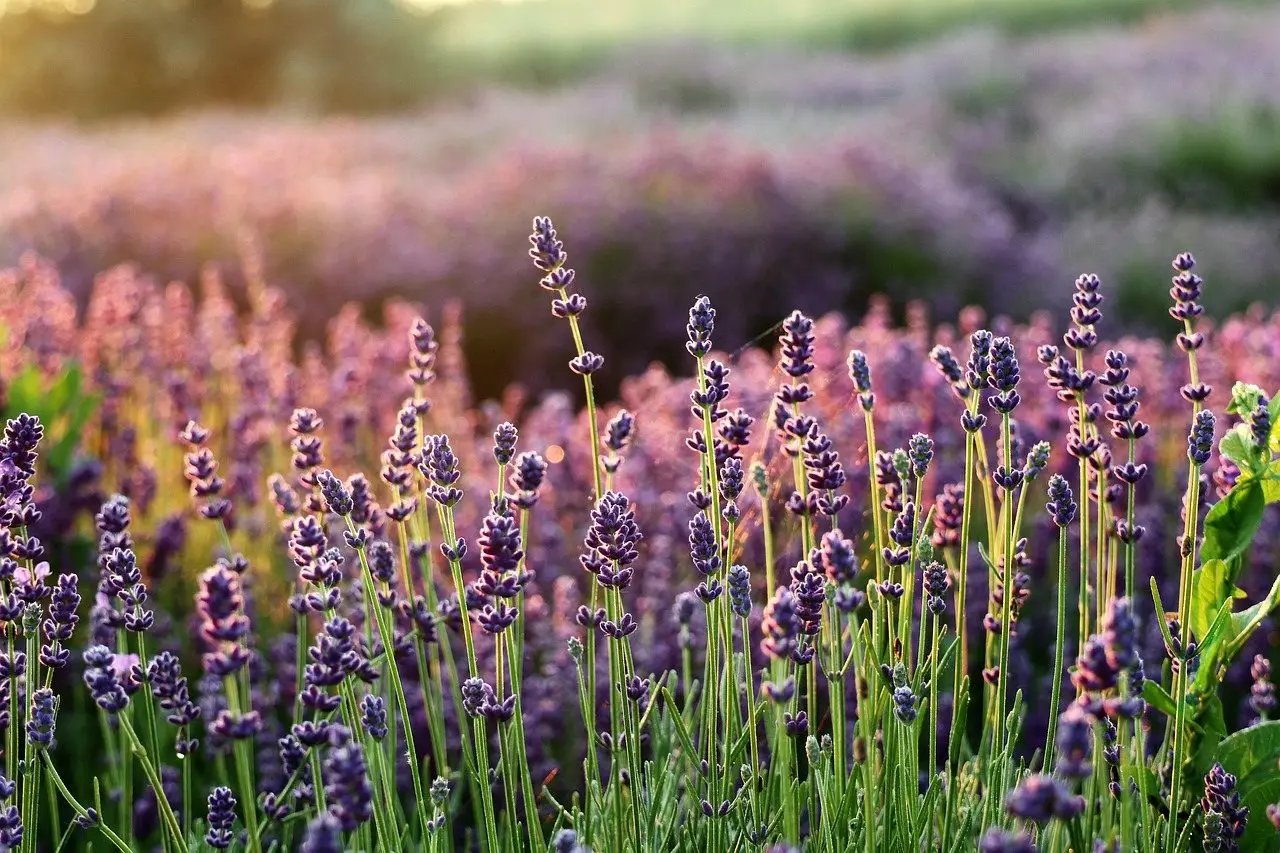
Plants rabbits generally leave
| group | examples |
|---|---|
| Aromatic herbs | rosemary, lavender, sage, thyme, oregano, mint, catmint |
| Alliums | ornamental alliums, chives, garlic, onions |
| Narcissus family | daffodils, narcissus, jonquils |
| Other bulbs | fritillaria, hyacinth, snowdrop, scilla, colchicum |
| Toxic perennials | foxglove, euphorbia, monkshood, hellebore, lily-of-the-valley |
| Furry or spiny leaves | lamb’s ear, globe thistle, sea holly, acanthus |
| Ferns | most, reliably |
| Ornamental grasses | most, once established |
| Leathery shrubs | box, holly, juniper, rhododendron, pieris, mahonia |
| Strong-scented perennials | nepeta, salvia, agastache, artemisia, santolina |
Plants rabbits reliably take
| Vegetables | lettuce, beans, peas, young brassicas, carrot tops, beetroot leaves, chard |
| Fruit | strawberries, and the bark of young fruit trees |
| Bulbs | tulips, crocus, lilies |
| Perennials | hostas, phlox, campanula, coneflower, pansies, violas |
| Woody | bark of young trees and shrubs in winter — the damaging one |
| Anything | soft new growth, on almost any species |
Winter bark stripping is the damage that actually kills
Rabbits strip bark from the base of young trees and shrubs when other food runs out, and a strip all the way round ring-barks the plant and kills everything above it. A 24-inch mesh cylinder held clear of the trunk prevents it, and costs almost nothing compared with replacing a four-year-old tree.
Why resistance lists are not guarantees
- Hunger overrides preference. Late winter is when resistant plants get eaten
- Young rabbits sample things adults have learned to avoid
- New plantings are softer than established ones, and more attractive for it
- Regional variation is real — rabbit populations have local food habits
- Drought pushes them onto anything with moisture in it
Treat every list, this one included, as “less likely to be eaten” rather than safe.
The combination that actually works
1. Resistant planting as the default for ornamental beds and borders. It costs nothing extra at planting time and quietly reduces the problem.
2. Fencing for the things rabbits actually want. The spec:
| element | spec |
|---|---|
| Height above ground | 24 in |
| Mesh size | 1 in or smaller — young rabbits pass through 2 in |
| Below ground | 6 in buried, or bent outward as an L |
| Gates | flush to the ground, no gap |
Fence the vegetable beds and the three or four ornamentals that keep getting eaten, not the boundary. A raised bed with a 24-inch mesh collar costs a fraction of a perimeter fence and works better.
3. Mesh cylinders on young trunks through winter.
4. Clear the cover. Rabbits will not stay in open ground with no escape within a short dash, so brush piles, long grass along fences and gaps under decks matter more than any repellent.
What not to rely on
- Ultrasonic devices — no reliable evidence
- Human hair, soap, mothballs — anecdote, and mothballs are a pesticide being used illegally
- Repellent sprays alone — capsaicin and putrescent-egg products work for one to two weeks between rains and only on sprayed growth. A reasonable bridge while a fence goes in
- Companion planting as a barrier — a rabbit walks past lavender to reach lettuce
Common questions
What plants do rabbits avoid?
Is any plant truly rabbit-proof?
What do rabbits most like to eat in a garden?
Do rabbit repellent plants actually work?
What stops rabbits better than plant choice?
Do rabbits eat bulbs?
Backyard Weekly
Know what to plant, week by week
Join the weekly email for seasonal jobs, fixes for what is going wrong, and gear worth buying.
Not ready to subscribe? The planting calendar is free and needs no email.
By subscribing you agree to our privacy policy. Grow In Backyard will never sell your address.
Keep reading
How to Get Rabbits Out of Your Yard and Keep Them Out
Rabbits leave when cover and food go and a fence blocks them. The 2-foot buried-wire fence spec, the repellents worth using, and what wastes money.
Do Rabbits Damage Lawns? Less Than You'd Think
Rabbit grazing rarely harms an established lawn — it acts like close mowing. Digging, urine burn and warren entrances are the real damage.
How to Attract Rabbits to Your Yard (and Live With Them)
Rabbits want cover first, food second. Brush piles, native grasses and a quiet corner bring them in — and the same layout keeps them out of the vegetables.
Why Is My Rabbit Staying in One Place? When to Worry
A rabbit sitting still may be resting, hiding, or seriously ill. The signs that separate normal stillness from gut stasis and when to call a vet.