
Why Is My Rabbit Staying in One Place? When to Worry
A rabbit sitting still may be resting, hiding, or seriously ill. The signs that separate normal stillness from gut stasis and when to call a vet.
 By
We may earn a commission when you buy through links on this page, at no extra cost to you.
On this page
A still rabbit is either relaxed, frightened, or in trouble — and the posture tells you which before anything else does.
Telling them apart
| Relaxed | Frightened | Ill | |
|---|---|---|---|
| Body | Flopped, stretched, loose | Tense, crouched, ready | Hunched, tucked, rounded |
| Ears | Loose, often back | Up, tracking | Flat, unresponsive |
| Eyes | Half closed, soft | Wide | Half closed, dull |
| Eating | Yes, between rests | Stops, resumes after | No |
| Touch | Tolerates | Bolts | Resents, may grind teeth |
| Droppings | Normal | Normal | Few, small, or none |
Rabbits are prey animals and hide illness. That is the whole reason this question is dangerous: a rabbit that has visibly stopped compensating is often already hours into something serious. There is no early warning stage that a rabbit will show you voluntarily.
Not eating plus no droppings is a same-day vet call
Offer the food it never refuses. If it turns that down and the tray has been empty for half a day, treat it as gastrointestinal stasis and ring a rabbit-experienced vet now.
A rabbit’s gut has to keep moving. Once it stops, it does not restart on its own.
While you wait for the appointment
- Keep it warm — a cold rabbit is a deteriorating rabbit
- Offer fresh grass and herbs, the things most likely to tempt
- Water within reach, not across the room
- Do not give painkillers meant for people or other pets
- Do not force-feed unless a vet has told you to — an obstruction and a slowdown look alike from outside, and food is wrong for one of them
The wild rabbit in the garden
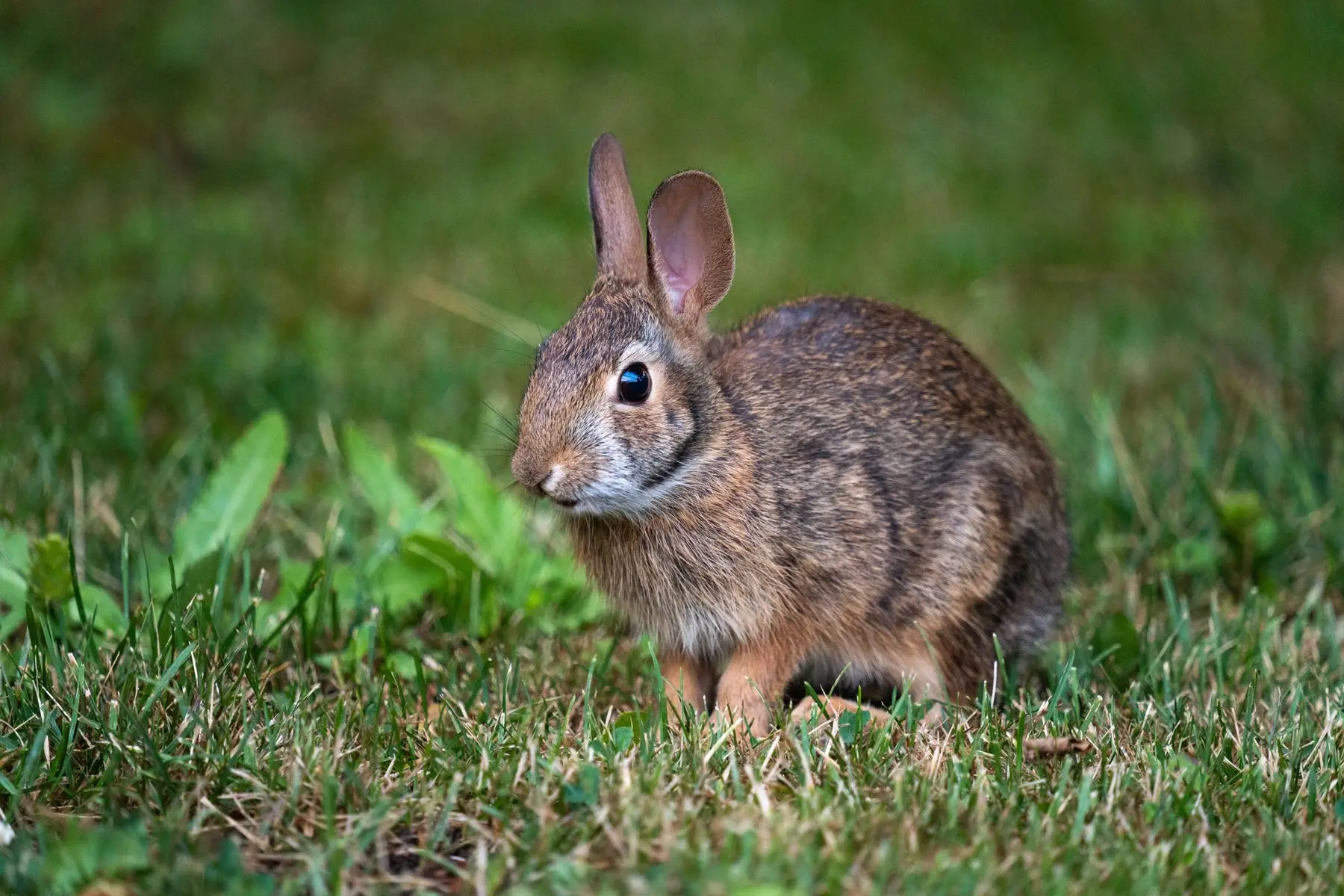
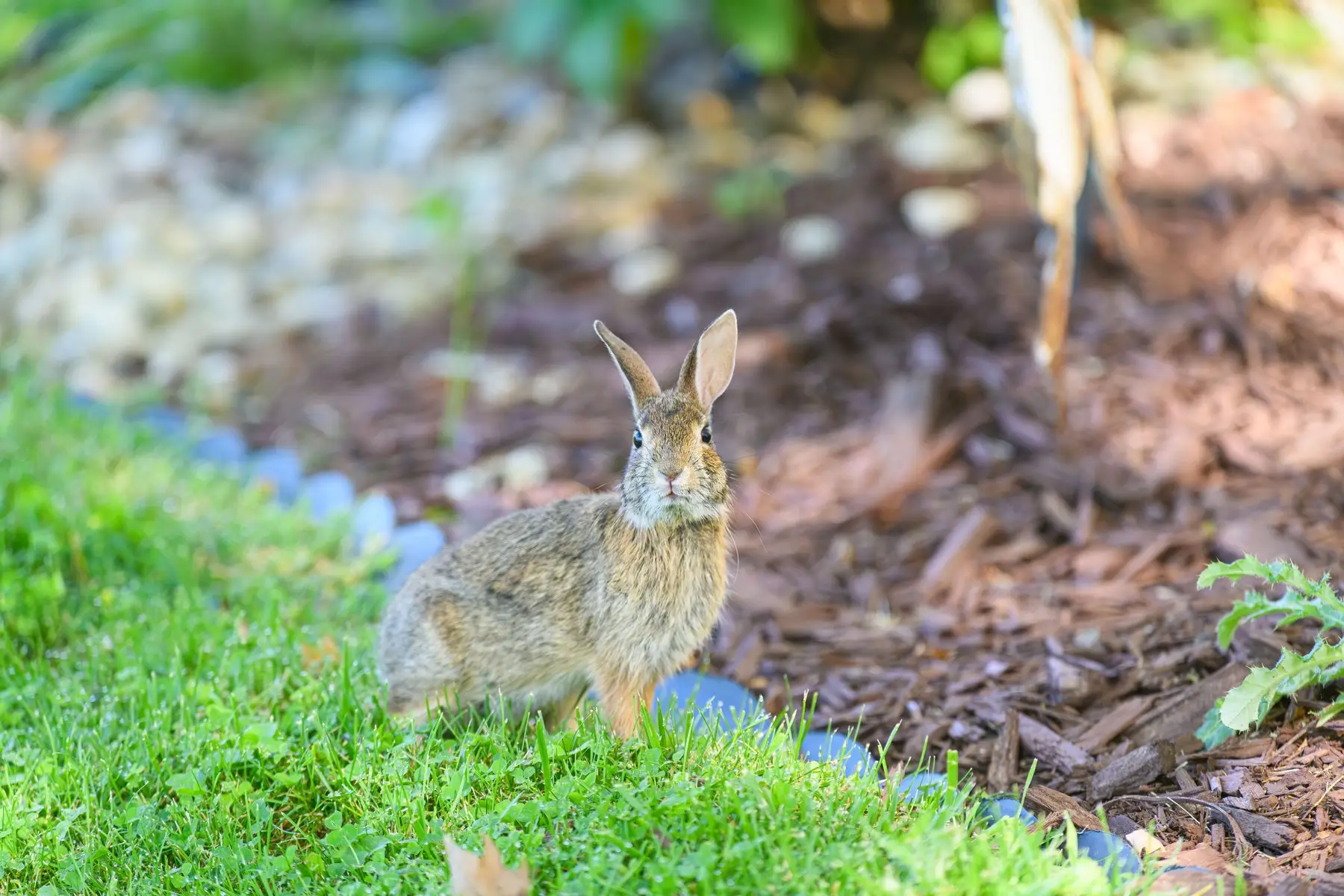
Different question, much simpler answer. Freezing is the defence — a motionless rabbit is a rabbit that has not been seen, and it will hold the pose far longer than seems reasonable while you stand there. Back off and it goes.
A baby rabbit alone is usually fine too. Does feed the nest only briefly at dawn and dusk, so an unattended nest is normal, not abandoned. A fully furred young rabbit with open eyes and ears up, about the size of a tennis ball, is independent and should be left where it is. Genuinely orphaned or injured is a job for a licensed rehabilitator, not for a box in the kitchen.
Our picks
| # | Pick | Best for | Where to buy |
|---|---|---|---|
| 1 | Timothy hay, current-season | The first thing to check when a rabbit goes still | Check price for Timothy hay, current-season → |
| 2 | Critical-care herbivore formula | What a vet will tell you to syringe | Check price for Critical-care herbivore formula → |
| 3 | Digital pet scale | The measurement that catches it early | Check price for Digital pet scale → |
The first thing to check when a rabbit goes still
Timothy hay, current-season
A rabbit that stops moving and stops eating is an emergency, not a mood. Hay intake is the first thing a vet will ask about.
- Should be
- 80%+ of the diet
- Freshness
- Green and fragrant, not brown
- Why
- Gut motility depends on it
What we liked
- GI stasis — the commonest cause of a rabbit sitting hunched — is a fibre problem
- Unlimited hay prevents far more than it treats
Worth knowing
- Stale brown hay gets refused, which looks like illness and causes it
- Bulky to store
What a vet will tell you to syringe
Critical-care herbivore formula
Rabbits deteriorate in hours, not days. This buys the time to get to a vet and nothing more — do not let it delay the call.
- Use
- Assist feeding during stasis
- Keep
- Unopened, as a standing precaution
What we liked
- Keeps the gut moving during the hours before an appointment
- Shelf-stable, so it is there when it is needed
Worth knowing
- Supportive care, not treatment; it does not replace a vet
- A rabbit refusing food for 12 hours needs an exotics vet, not a syringe
The measurement that catches it early
Digital pet scale
Prey animals hide illness until it is advanced. A weekly weight is the one home measure that sees through it.
- Resolution
- 1 g
- Cadence
- Weekly, same time of day
What we liked
- Weight loss precedes visible illness by days in rabbits
- A number is harder to talk yourself out of than an impression
Worth knowing
- Only useful if the weighing is actually routine
Common questions
Why is my rabbit staying in one place?
What does a sick rabbit look like when it sits still?
Is a rabbit not moving an emergency?
Why is a wild rabbit sitting still in my yard?
My rabbit is lying stretched out and still — is that bad?
How long can a rabbit go without eating?
Backyard Weekly
Know what to plant, week by week
Join the weekly email for seasonal jobs, fixes for what is going wrong, and gear worth buying.
Not ready to subscribe? The planting calendar is free and needs no email.
By subscribing you agree to our privacy policy. Grow In Backyard will never sell your address.
Keep reading
Best Rabbit Bedding for Odor Control — 5 on Absorbency
The best rabbit bedding for odor control wins on absorbency alone. 5 materials compared, including the unsafe ones. See which suits your hutch.
How to Attract Rabbits to Your Yard (and Live With Them)
Rabbits want cover first, food second. Brush piles, native grasses and a quiet corner bring them in — and the same layout keeps them out of the vegetables.
Rabbits Under a Deck: Evicting Them Without Trapping a Litter
A rabbit under a deck usually means a nest. How to check before you block anything, the one-way door method, and the skirting that ends it for good.
Do Rabbits Damage Lawns? Less Than You'd Think
Rabbit grazing rarely harms an established lawn — it acts like close mowing. Digging, urine burn and warren entrances are the real damage.