
How to Get Rid of Tree Frogs Without Killing Them
Tree frogs climb walls, cling to windows and call all night. Why they picked your house, what moves them on, and which methods are illegal or useless.
 By
On this page
A tree frog on your window is there for a simple reason: the light brings insects, and the glass holds the day’s heat. Change those and the frogs leave on their own.
Why your house
Three conditions, all removable:
- Insects at the lights. A white porch or security light is a nightly insect swarm, and a tree frog is a sit-and-wait predator. This is the big one
- Warm vertical surfaces. Glass and painted siding hold heat into the evening, and adhesive toe pads make any of it climbable
- Standing water within earshot, which is where they breed and why they call
Lights first
Nothing else on this page matters as much.
- Warm amber or yellow bulbs outdoors. Colour temperature does the work — the warmer the light, the fewer insects it draws
- Motion sensors instead of dusk-to-dawn lamps
- Decorative lighting off at night during the season
- Close blinds and curtains. Light spilling from inside onto the wall draws insects to the glass, which is exactly where you do not want frogs
- Move a light away from the door it sits beside, if you need it at all
The amber bulb swap is the single highest-return change here
It costs the price of a few bulbs, it takes an hour, and it addresses the reason the frogs are on your house at all rather than fighting the symptom.
It also cuts the moths, the beetles, the spiders that follow them, and the geckos and bats that follow those.
Then the water
Calling frogs are breeding frogs, and breeding needs standing water.
- Saucers under pots, which is the one everybody forgets
- Buckets, watering cans, wheelbarrows tipped out
- Blocked gutters, which hold water for weeks
- Tarpaulins and pool covers with pooled rain on top
- An unused paddling pool, a birdbath left to go green, a dripping outside tap
- A pond you want to keep is fine — a pond with frogs is a working pond. The complaint is usually the accidental water, not the deliberate kind
Empty it, do not poison it. Treating water with anything to kill tadpoles is both illegal in many places and pointless, since the adults simply move to the next container.
Cut the routes to the walls
- Trim shrubs and climbers back a foot or two from the siding
- Lift low branches that touch the roof or the gutter
- Clear ivy off walls near windows
- Move potted plants off window ledges and away from the doors you use
The noise, honestly
The calling is seasonal, it is loud, and it is the complaint behind most of these searches.
- It is a breeding chorus, intense for a few weeks and then over
- It stops when the water does, if the water is yours
- If the water is a neighbour’s pond or a ditch, there is no fix you control — a fan, white noise or a closed window gets you through the season
- Males call from near the water, so finding the chorus usually finds the container
What not to do
- Vinegar, salt, citric acid. These burn amphibian skin. A frog “repelled” this way is a frog dying
- Bleach. Same, worse, and illegal to use this way in most places
- Pesticide sprays. Illegal against a non-target vertebrate, and they kill the insects’ predators along with the insects
- Coffee grounds and home remedy mixes. No evidence, and several of them are the same skin-burn problem in a friendlier wrapper
- Relocating them far away. Amphibians are tied to a breeding site and moved frogs generally die; it also spreads chytrid fungus, which is a major cause of amphibian decline worldwide
- Killing them. Protected in much of their range, and the next group arrives at the same lights next week
Amphibian skin absorbs almost everything
This is the reason every spray-based remedy for frogs is cruel rather than merely ineffective. A frog breathes and drinks partly through its skin, so a substance on the wall is a substance in the animal.
There is no humane chemical answer to a frog problem. The answer is lights and water.
What they are worth keeping for
- Mosquitoes, moths, beetles and flies, in quantity, every night
- Free pest control on exactly the insects people buy traps for
- An indicator species. Amphibians go first when a garden is being over-sprayed
The realistic outcome of this page is fewer tree frogs on the glass and the same frogs still in the garden, which is the right result.
Common questions
How do I get rid of tree frogs?
Why are tree frogs on my windows and walls?
Is it legal to kill tree frogs?
What repels tree frogs?
How do I stop tree frogs calling at night?
Do tree frogs cause any damage?
Backyard Weekly
Know what to plant, week by week
Join the weekly email for seasonal jobs, fixes for what is going wrong, and gear worth buying.
Not ready to subscribe? The planting calendar is free and needs no email.
By subscribing you agree to our privacy policy. Grow In Backyard will never sell your address.
Keep reading
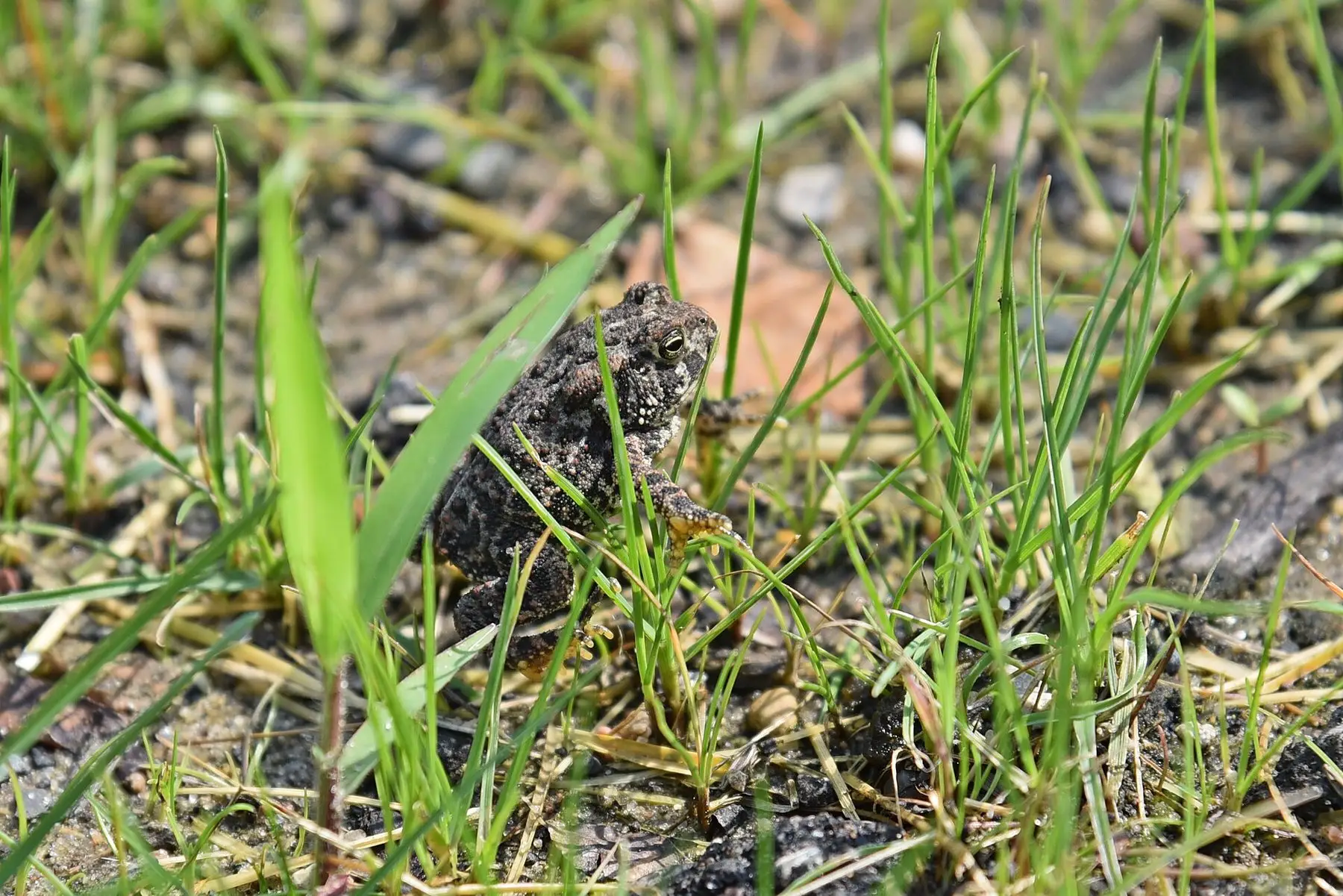
How to Get Rid of Frogs — 3 Fixes That Cut the Draw
How to get rid of frogs starts with the water and light drawing them in. 3 fixes compared for yards and pools. See which matches your problem.
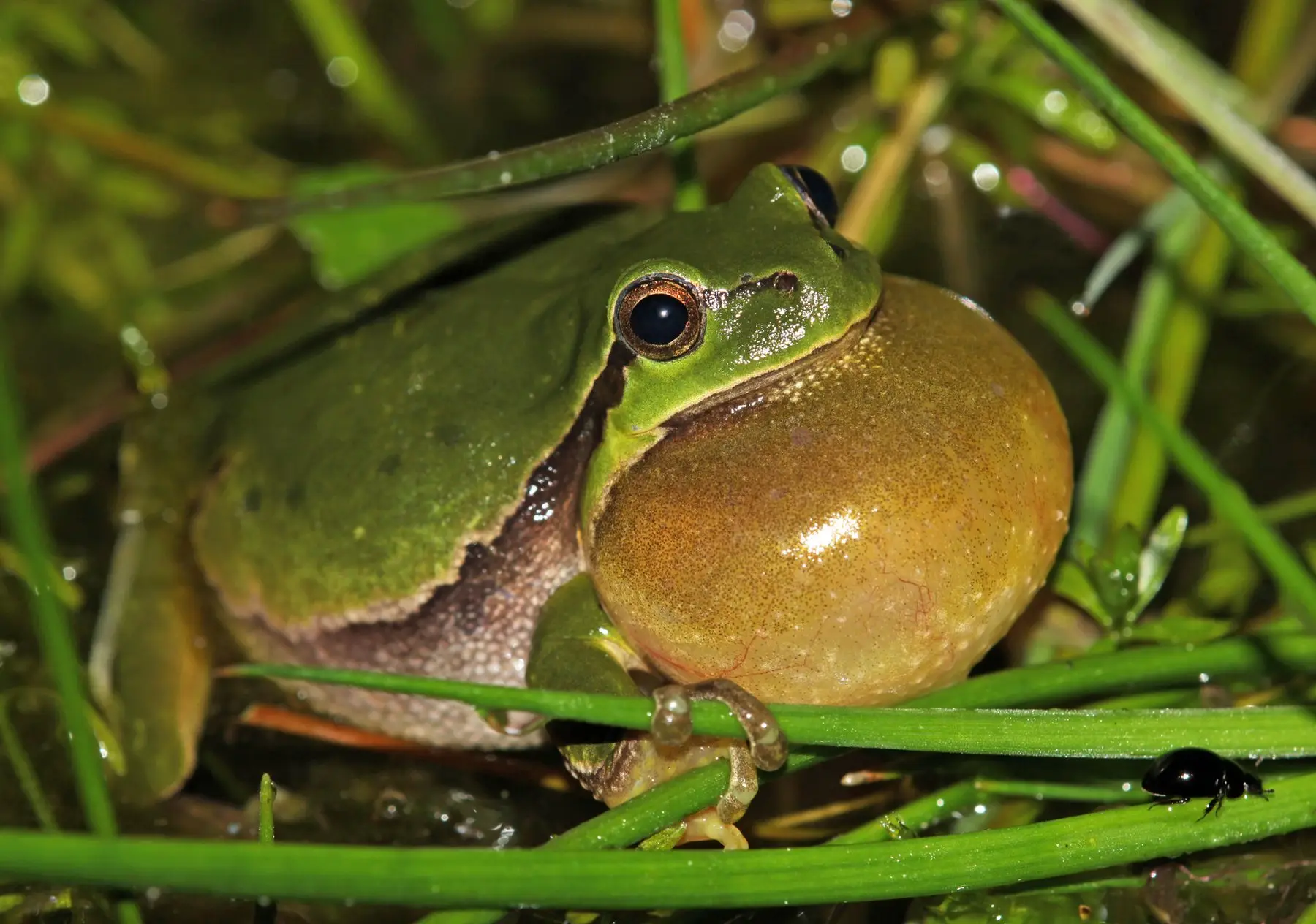
How to Stop Frogs Croaking at Night in Your Yard
Croaking is breeding calling, and it stops when the breeding water does. What works, why sound deterrents do not, and how long the season actually lasts.
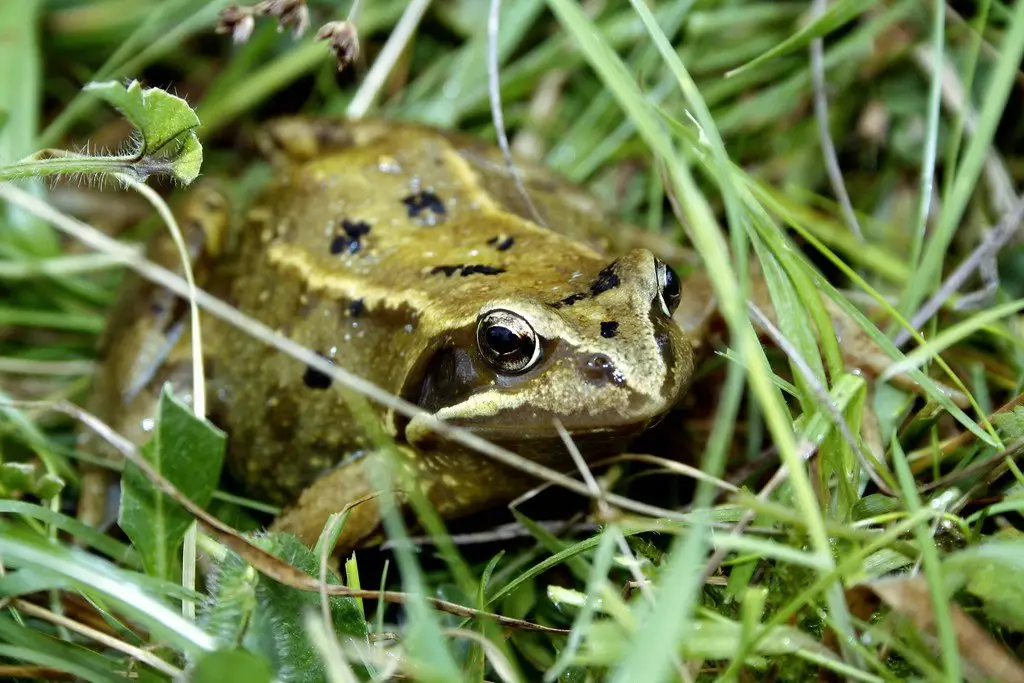
Does Bleach Kill Frogs? Yes — and Why You Should Not Use It
Bleach kills frogs slowly and painfully through their permeable skin, and it is illegal in many places. What it does, and the methods that actually work.
How to Keep Frogs Away From a Pool (and Out of It)
Frogs come to a pool for light, insects and water to breed in. Remove those three draws, give them a way out, and the nightly cleanup stops.