
How to Feed Hummingbirds Without a Feeder
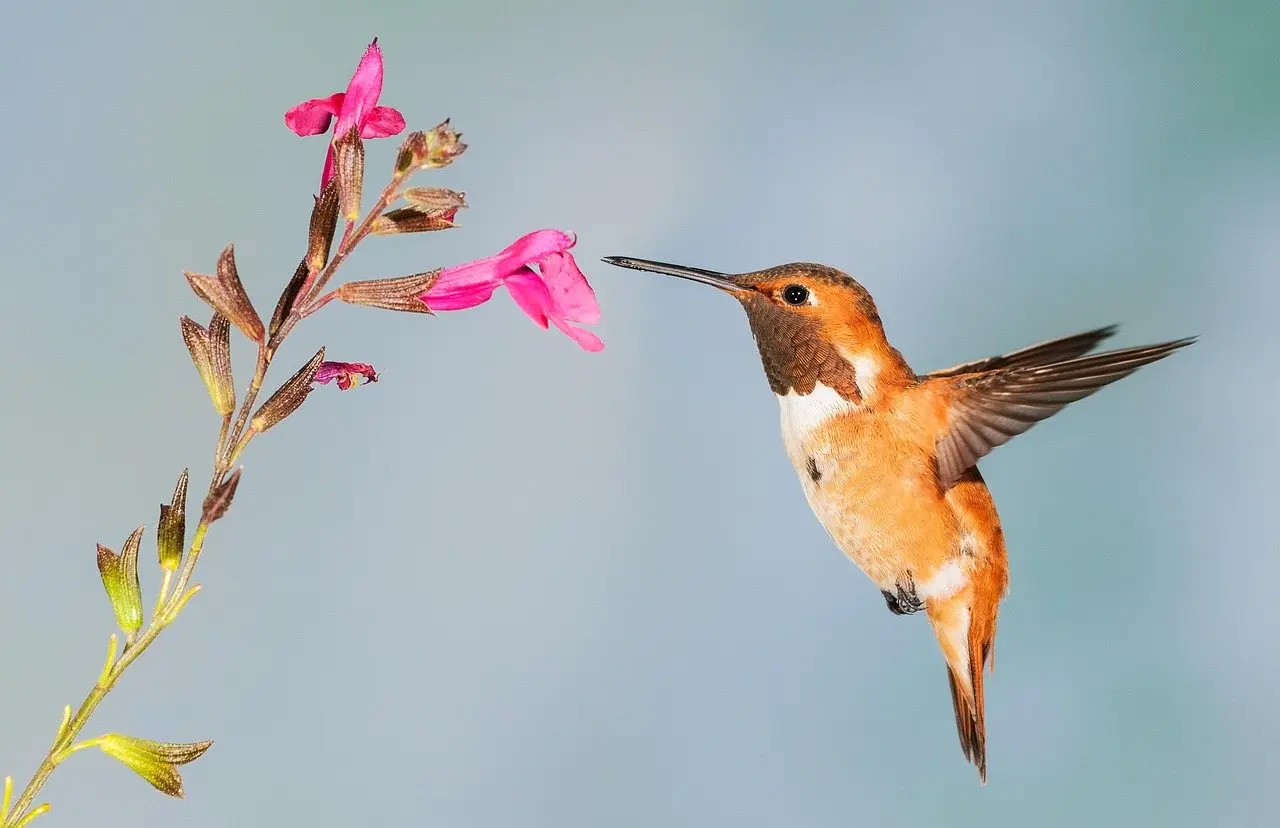
Nectar plants feed hummingbirds better than sugar water ever will, and they supply the insects that make up most of a hummingbird's actual diet.
 By
On this page
A garden can feed hummingbirds better than a feeder can — and with none of the cleaning, the fermentation risk or the mould. Plants also supply the insects, which are most of what a hummingbird actually eats.
The thing most people get wrong about hummingbird diet
Nectar is fuel. It is sugar, it powers an extraordinary metabolism, and it is why the birds visit flowers.
But the protein, fat and minerals come from invertebrates — small flies, gnats, aphids, leafhoppers, spiders. For an adult these can be the majority of the diet by weight, and nestlings are fed almost entirely on insects. Sugar water alone would not raise a brood.
Which produces the single most important rule here, and it has nothing to do with flowers:
A sprayed garden cannot feed hummingbirds
Broad-spectrum insecticide removes the protein half of the diet. You can plant every salvia in the catalogue and still have a garden that cannot support a nesting hummingbird if there are no insects in it.
The same applies to clearing every spiderweb. Hummingbirds eat small spiders and they use spider silk to bind their nests — it is what gives the nest its elasticity as the chicks grow. Leave the webs in the shrubs.
What to plant
| Season | Plants |
|---|---|
| Spring | Columbine, flowering currant, lungwort, weigela |
| Midsummer | Salvia, bee balm, penstemon, agastache, fuchsia |
| Late summer / autumn | Cardinal flower, late salvia, trumpet honeysuckle |
Three rules matter more than the specific list:
- Plant in clumps of five or more of the same thing. A hummingbird is assessing your garden from the air at speed. A single plant is invisible; a block of scarlet salvia is not
- Cover the whole season. A garden that blooms gloriously in July feeds birds in July. The gaps are what lose them, particularly late-season gaps during autumn migration
- Choose natives where you can. Regional natives are adapted to the hummingbird species migrating through, and generally hold more nectar than hybrids bred for looks
And one thing to avoid: double-flowered cultivars. Those extra petals are modified reproductive structures, which means they have replaced the nectar. The bloom looks lavish and holds nothing a bill can reach.
Water, and why the bird bath does not work
A hummingbird weighs about as much as a penny. A conventional bird bath is far too deep and far too still for it.
What they use instead is moving water in fine droplets:
- A fine mister on a hose, set to drift through a shrub
- A slow dripper onto a broad leaf, so water collects and runs
- Honestly, a leaking hose fitting over hosta or ligularia leaves, which is how many people discover this by accident
Birds will fly repeatedly through a mist to bathe rather than landing in water at all.
Perches, which nobody plants for
Hummingbirds spend most of the day perched, not hovering. They need somewhere to sit within sight of the flowers to watch, digest and defend the patch.
A bare twig, a thin dead branch left on a shrub, a wire, a trellis top — anything thin enough for tiny feet. Leaving one bare branch on an otherwise tidy shrub measurably increases how long birds stay in a garden.
On feeders
Worth being fair about them. Feeders genuinely help at migration bottlenecks and during cold snaps when flowers are scarce, and they bring the birds close enough to watch properly.
But a feeder is a supplement, not a necessity — hummingbirds crossed the Americas for millions of years before anyone hung one up. And an unmaintained feeder is actively dangerous: sugar water ferments and grows mould within days in warm weather, and the resulting fungal infections kill birds.
If you cannot clean it every two to three days in summer, do not run one. Plant instead. The flowers never need scrubbing.
Step by step
- Time
- P60D
- Cost
- 40
- You need
- Tubular red or orange nectar plants, A mix of early, mid and late season bloomers, A shallow mister or dripper
- Tools
- Spade and trowel
Plant tubular flowers in red and orange
Hummingbird-pollinated flowers are typically long, tubular and red or orange, a shape that suits a hummingbird's bill and excludes most insects. Salvia, bee balm, cardinal flower, columbine, penstemon and trumpet honeysuckle are all reliable.
Plant in clumps, not singly
A group of five or more of the same plant is visible from a distance and worth a bird's time. One plant of each of ten species reads as nothing from the air.
Cover the whole season with staggered bloom
Columbine and currant for spring, salvia and bee balm for midsummer, cardinal flower and late salvia for autumn. A garden that blooms only in July feeds birds only in July.
Include natives wherever you can
Native nectar plants in your region are adapted to the hummingbird species that migrate through it, and they generally carry more nectar than ornamental hybrids bred for appearance.
Avoid double-flowered cultivars
Doubled blooms have extra petals in place of the nectar structures, so they often carry little or no nectar and the bill cannot reach what is there.
Stop using insecticides
Insects and spiders are most of a hummingbird's actual diet and all of a nestling's. A garden sprayed for bugs cannot feed hummingbirds whatever is in flower.
Leave spiders and their webs alone
Hummingbirds take small spiders to eat and use spider silk to bind their nests. Clearing every web removes both the food and the building material.
Add moving water rather than a bird bath
Hummingbirds bathe in mist and droplets instead of standing water. A fine mister on a hose, a dripper, or a leaky fitting over broad leaves is used readily.
Provide perches near the flowers
Hummingbirds spend most of the day perched, not flying. A bare twig or a thin branch within sight of the flowers gives them somewhere to watch and digest from.
Expect it to take a season
A new planting is often found within weeks but builds over a year or two as plants mature and birds learn the route. Resist adding a feeder to speed it up.
Common questions
Can you feed hummingbirds without a feeder?
What flowers attract hummingbirds best?
What do hummingbirds eat besides nectar?
Do hummingbirds need feeders to survive?
Do hummingbirds use bird baths?
Is it bad to stop filling a hummingbird feeder?
Backyard Weekly
Know what to plant, week by week
Join the weekly email for seasonal jobs, fixes for what is going wrong, and gear worth buying.
Not ready to subscribe? The planting calendar is free and needs no email.
By subscribing you agree to our privacy policy. Grow In Backyard will never sell your address.
Keep reading
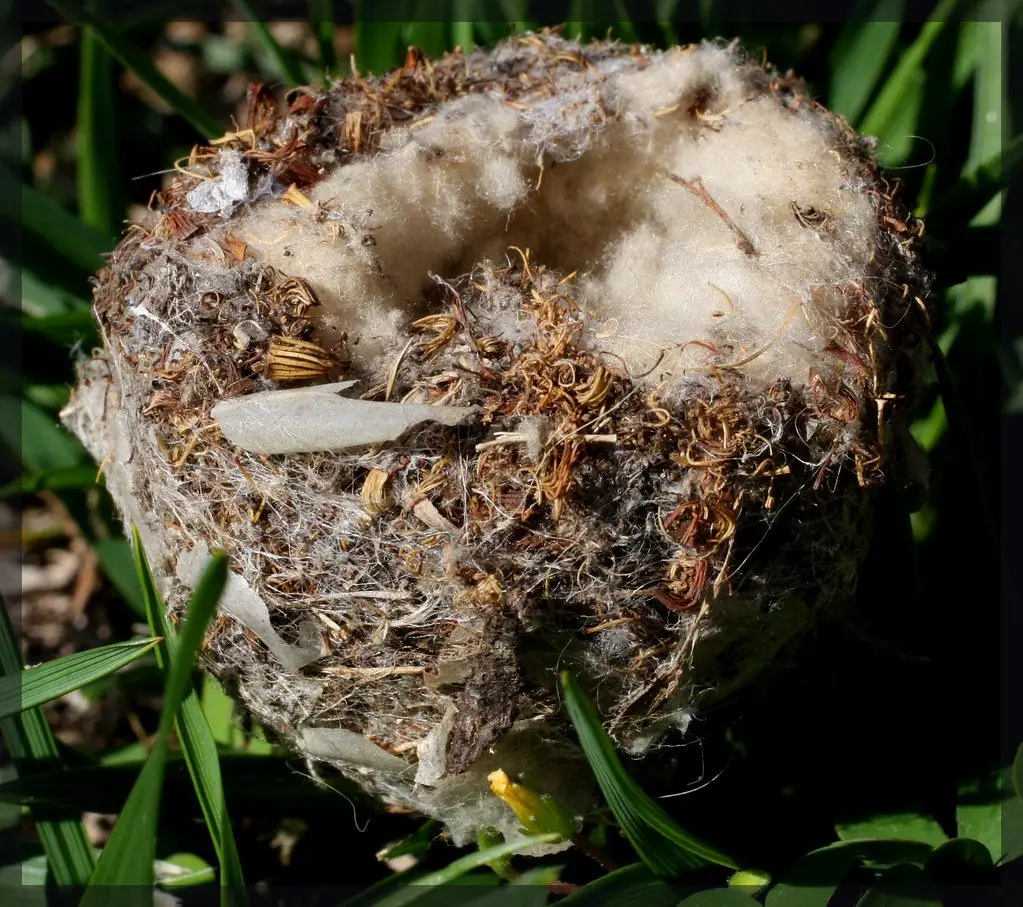
Do Hummingbirds Use Birdhouses? No — Here Is What They Need
Hummingbirds are not cavity nesters, so a birdhouse will never be used. What they actually build, and the four things that bring them in to nest instead.
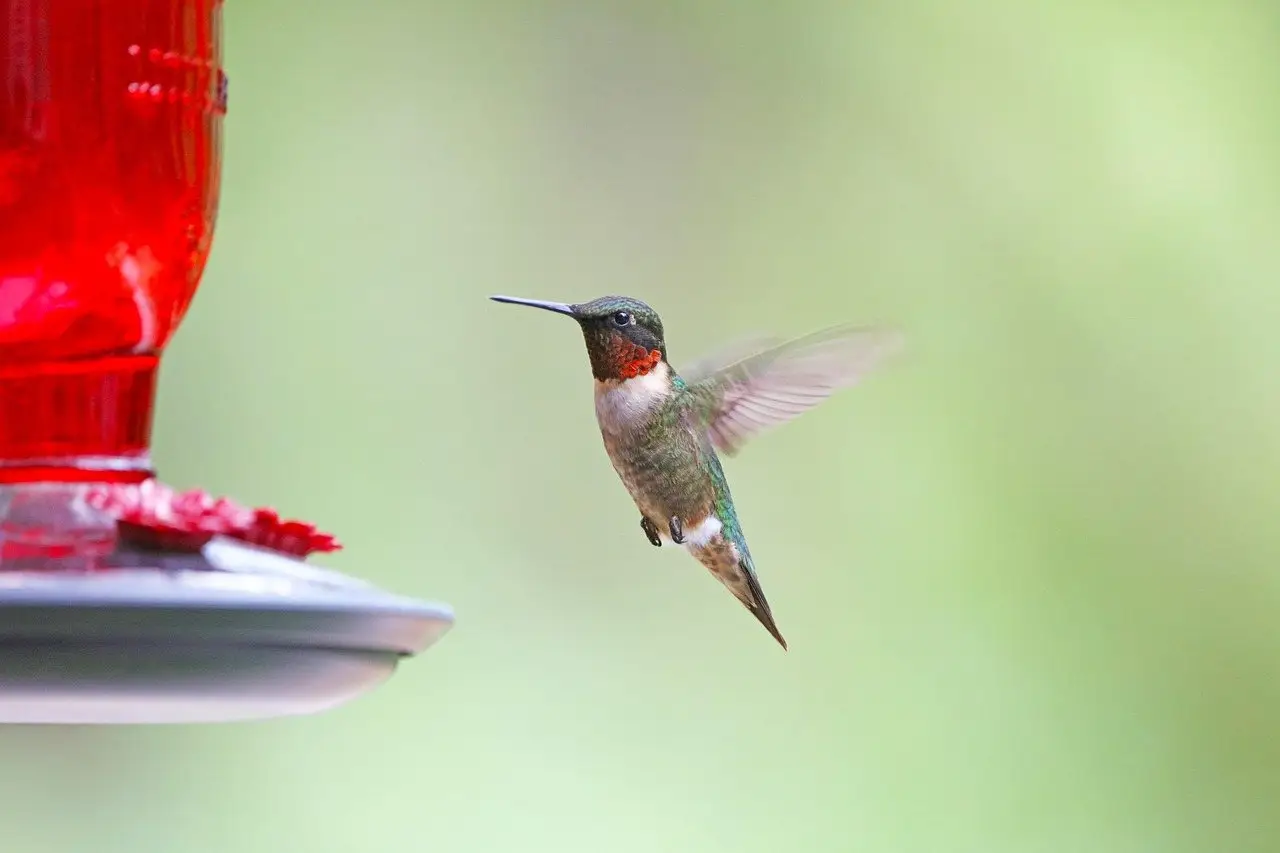
Do Hummingbirds Know Who Feeds Them? What the Evidence Says
Hummingbirds have exceptional spatial memory and track individual flowers over time. Whether they recognise you personally is a harder question.
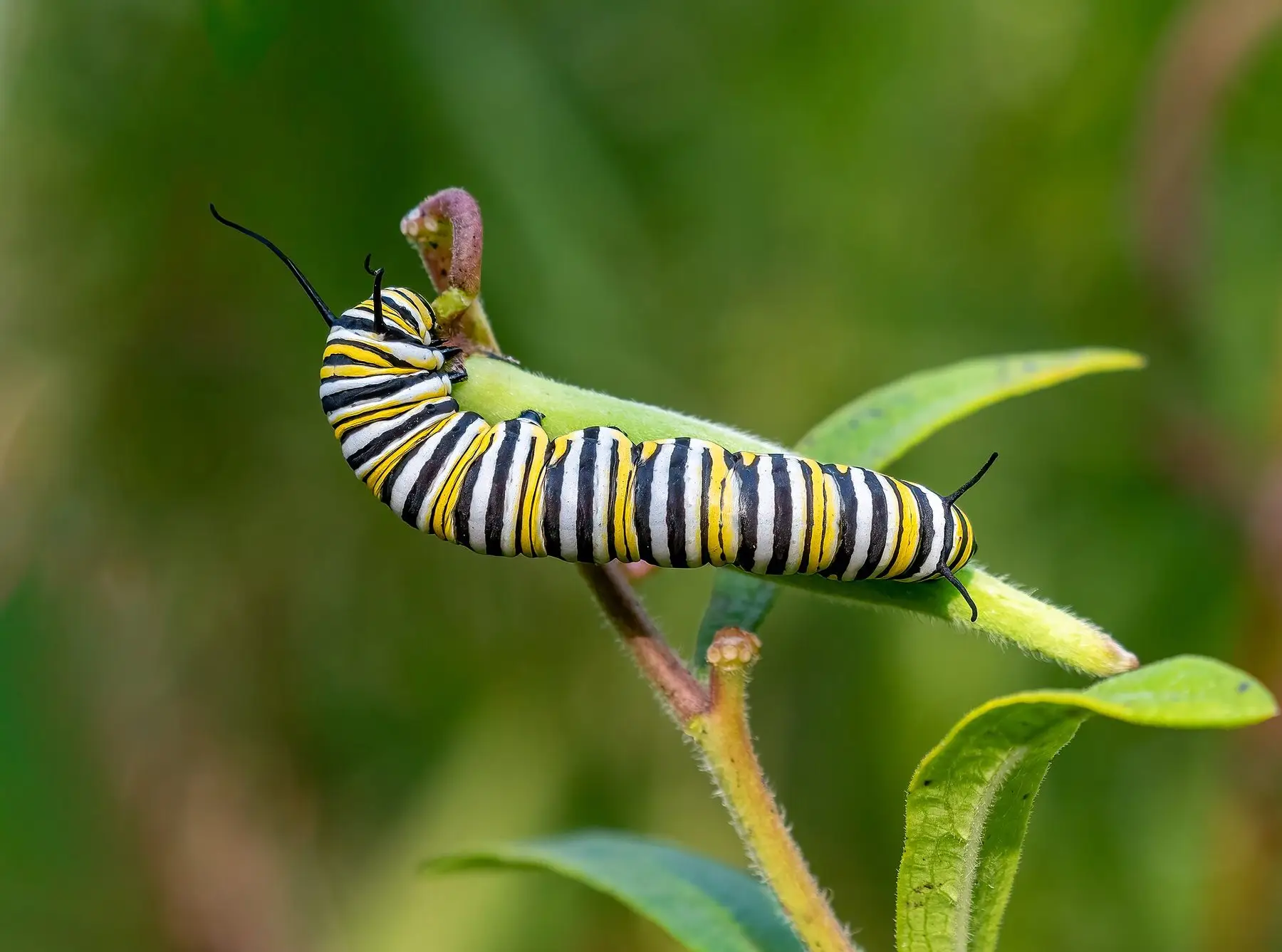
What Butterflies Need to Survive in a Backyard
Nectar flowers feed adult butterflies but cannot raise any. Caterpillars only eat specific host plants — that gap is why most butterfly gardens stay empty.
How to Keep a Bird Bath From Freezing, Without a Heater
Open water matters more than food in a freeze. Heated baths, de-icers, dark basins and the ball trick compared — plus what never to put in the water.