
How Large Is a Squirrel's Range? Under Two Hectares
Grey squirrels work a home range of roughly 0.5 to 2 hectares, overlapping heavily with neighbours. Why your garden squirrels are the same few animals.
 By
On this page
A grey squirrel lives its whole life in an area smaller than most people assume, overlapping freely with its neighbours. That is why removing one changes nothing.
Range by species and sex
| home range | territorial? | |
|---|---|---|
| Grey squirrel, male | 1–2 ha, more in breeding season | no, overlapping |
| Grey squirrel, female | 0.5–1 ha | defends drey area |
| Red squirrel | under 0.5 ha | yes, truly territorial |
| Fox squirrel | 1–4 ha | overlapping |
What sets the density
- Autumn mast — acorn and nut crop is the main annual control
- Den sites — tree cavities, more than dreys, limit winter survival
- Supplementary feeding — a year-round feeder raises the ceiling
- Predation — hawks and owls take a steady share of juveniles
Learn to tell them apart before concluding you have twenty
Tail shape, a nicked ear, a bald patch, a distinct gait. Most gardens that feel overrun hold three to six regulars using the same feeder at different hours.
Relocation is often illegal and generally fatal
Releasing a squirrel into occupied ground with no cache knowledge and no escape routes has poor survival outcomes, and the range it left is taken over almost immediately. Seal the entry point instead — that is the measure that lasts.
Common questions
How large is a squirrel's range?
How far do squirrels travel from their nest?
Is the squirrel in my garden always the same one?
Do squirrels defend a territory?
Does relocating a squirrel work?
How many squirrels live in a hectare?
Backyard Weekly
Know what to plant, week by week
Join the weekly email for seasonal jobs, fixes for what is going wrong, and gear worth buying.
Not ready to subscribe? The planting calendar is free and needs no email.
By subscribing you agree to our privacy policy. Grow In Backyard will never sell your address.
Keep reading
Do Squirrels Return to the Same Nest? Yes, And They Keep Several
Grey squirrels maintain two or three dreys at once and rotate between them. Why they abandon one, and what happens if you disturb a nest with young.
Do Squirrels Make Nests in Trees? Dreys and Cavities Both
Squirrels build leaf dreys high in branch forks and also use tree cavities, which they prefer in winter. How to tell a drey from a bird nest.
Non-Lethal Squirrel Deterrents: What Works and What Doesn't
Baffles and hardware cloth work. Ultrasonic devices, predator urine and most repellent sprays do not. Here is the evidence, sorted.
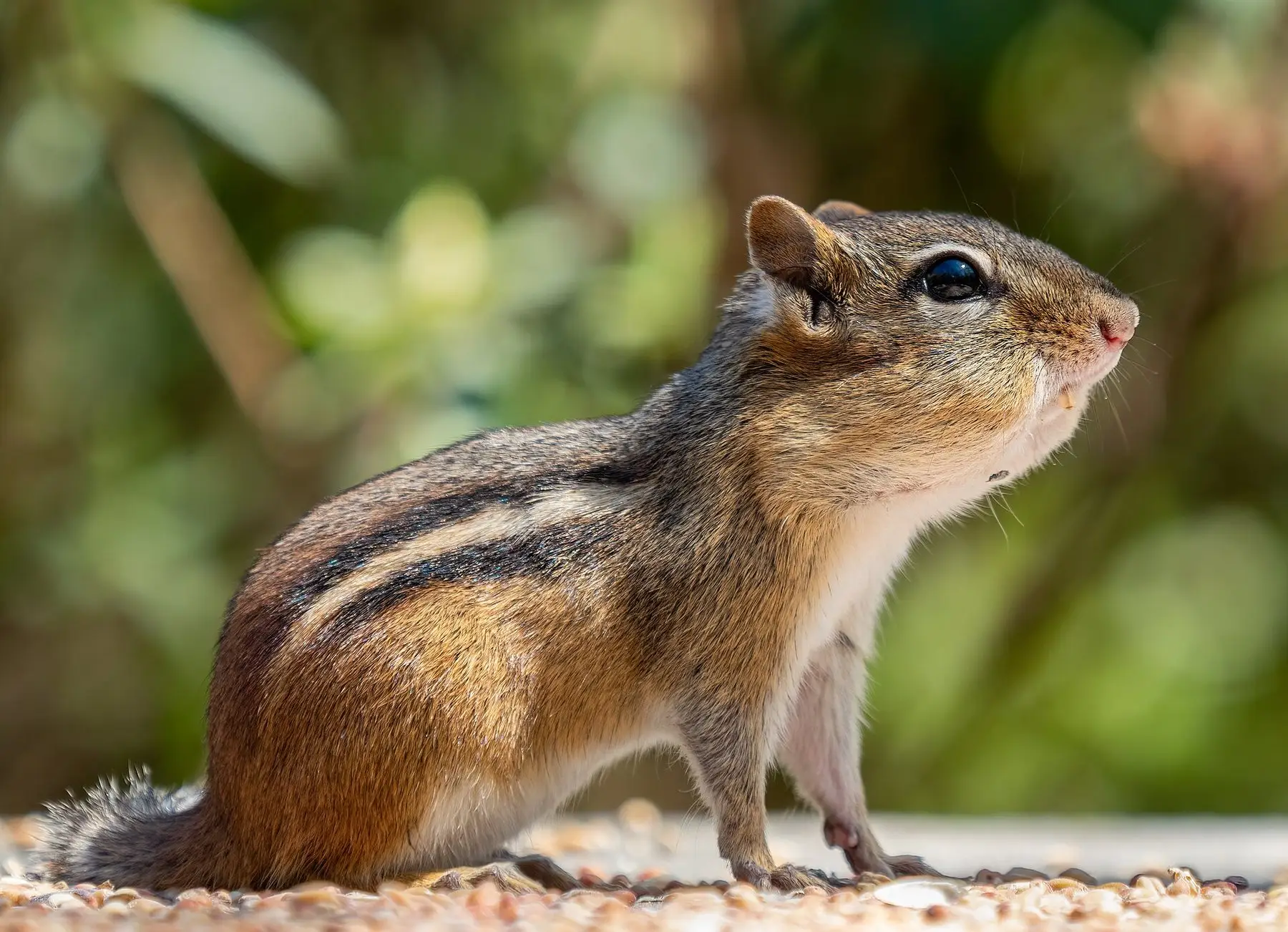
How Long Do Chipmunks Live? And Why They Dig Up Pots
Wild chipmunks rarely see three years — predators and winter mortality see to that. Realistic lifespan, what they eat, and why flower pots are such an easy target.