
How Do Squirrels Transport Their Young? Carried by the Belly
A mother grips the kit's belly skin and it curls around her neck. When she moves a litter, how often, and what to do if one is dropped.
 By
On this page
The grip is on the belly, not the scruff, and the kit does half the work by wrapping itself around the mother’s throat.
Development, and what is normal at each stage
| age | stage |
|---|---|
| 0–4 wks | blind, hairless, entirely dependent |
| 4–5 wks | eyes open, fur coming |
| 6–7 wks | still carried if moved |
| 7–10 wks | leaving the drey, exploring — normal on branches |
| 10–12 wks | weaning completes |
A well-furred kit the size of a tennis ball, out on a branch and moving confidently, is doing exactly what it should. That is the one most often “rescued” unnecessarily.
Leave it, or act?
| situation | action |
|---|---|
| Warm, uninjured, no danger | leave, watch 2–3 hours from a distance |
| Mother visible nearby | leave |
| In direct sun or on a road | move to shade at the tree base, then watch |
| Cold to the touch | rehabilitator |
| Bleeding, limp, or a cat had it | rehabilitator, same day |
| Flies or fly eggs on it | rehabilitator, urgent |
| Crying continuously for hours | rehabilitator |
No food, no water
A cold or shocked animal cannot digest, and fluids given by mouth are aspirated. Warmth, dark and quiet, then a rehabilitator. This is the most common well-meant mistake and it kills kits.
Helping a move succeed
- Shut cats and dogs indoors for a few hours — she will not approach otherwise
- Stand well back, out of sight; she is watching you as much as the kit
- Place the kit at the base of the right tree in a shallow open box if it must be moved
- Do not seal the box or add bedding it could swallow
- Postpone tree work until autumn if a drey is occupied
Handling does not cause rejection
The idea that a mother abandons a handled baby is a myth in squirrels. Minimal handling is still right — for the kit’s stress and your safety — but having touched it is not a reason to give up on reuniting them.
Common questions
How does a squirrel carry its babies?
Why would she move them?
I found a baby squirrel on the ground — what should I do?
When should I intervene?
Can I put it back in the nest?
How old are kits when they are carried?
Backyard Weekly
Know what to plant, week by week
Join the weekly email for seasonal jobs, fixes for what is going wrong, and gear worth buying.
Not ready to subscribe? The planting calendar is free and needs no email.
By subscribing you agree to our privacy policy. Grow In Backyard will never sell your address.
Keep reading
How Do Squirrels Carry Their Babies? Wrapped Under the Chin
A mother squirrel carries each kit in her mouth with the baby curled around her neck, one at a time, and she will move a whole litter nest to nest.
When Do Baby Squirrels Leave the Nest? Week by Week
Kits first come out at six or seven weeks and are independent by three months. The timeline, and how to tell an orphan from one that is fine.
What to Feed Newborn Squirrels: The Honest Answer
A cold newborn squirrel cannot digest anything, and the wrong formula kills. What to do in the first hour, and why a rehabilitator is the real answer.
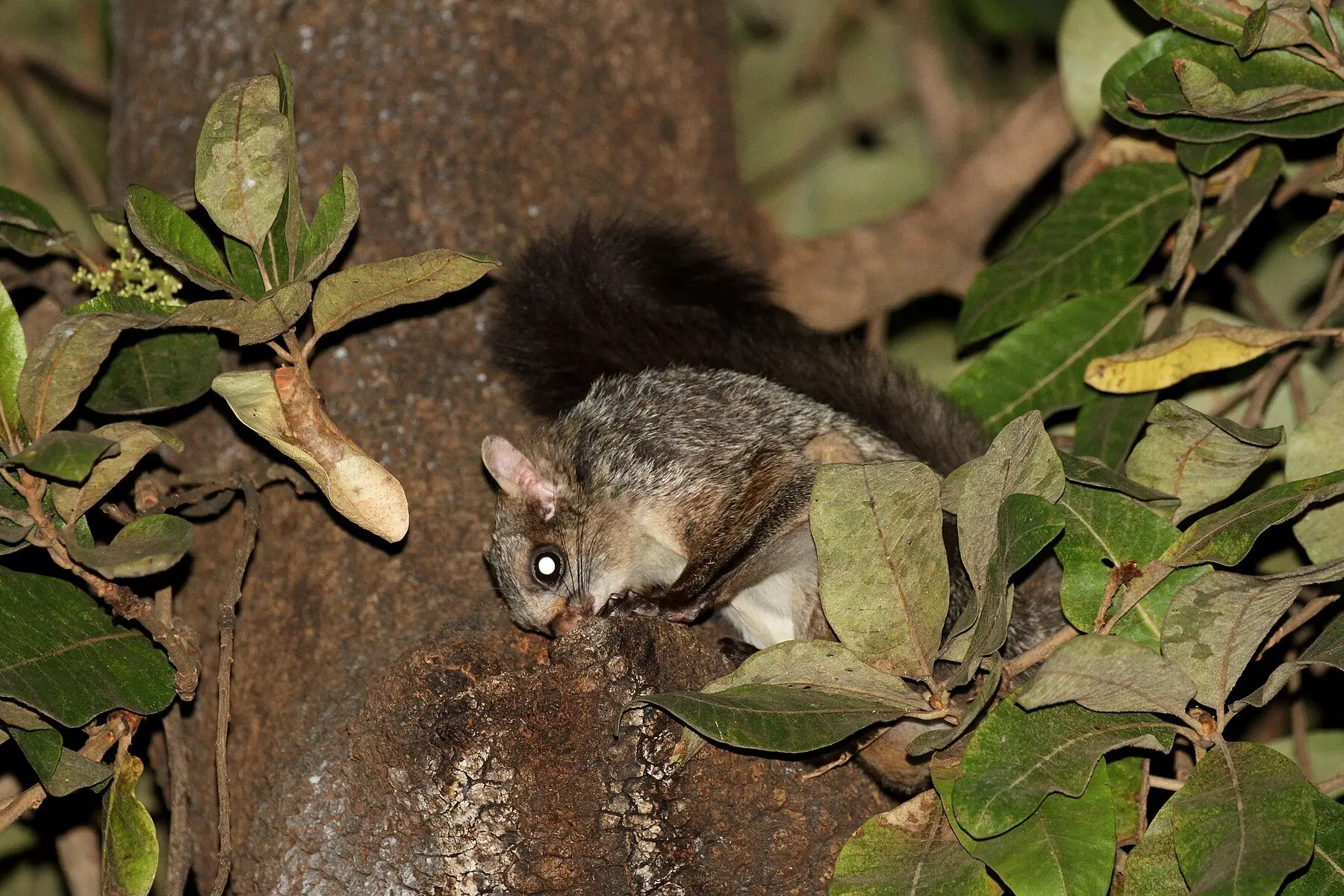
How Far Can Flying Squirrels Glide? Up to About 90 Metres
Typical glides are 5 to 25 metres; the record is far longer. How the patagium works, why they steer with the tail, and why it is not flight.