
Do Squirrels Cause Power Outages? More Than Storms Do
Squirrels are among the most common causes of local outages on distribution networks. Why it happens, and why the squirrel usually dies.
 By
On this page
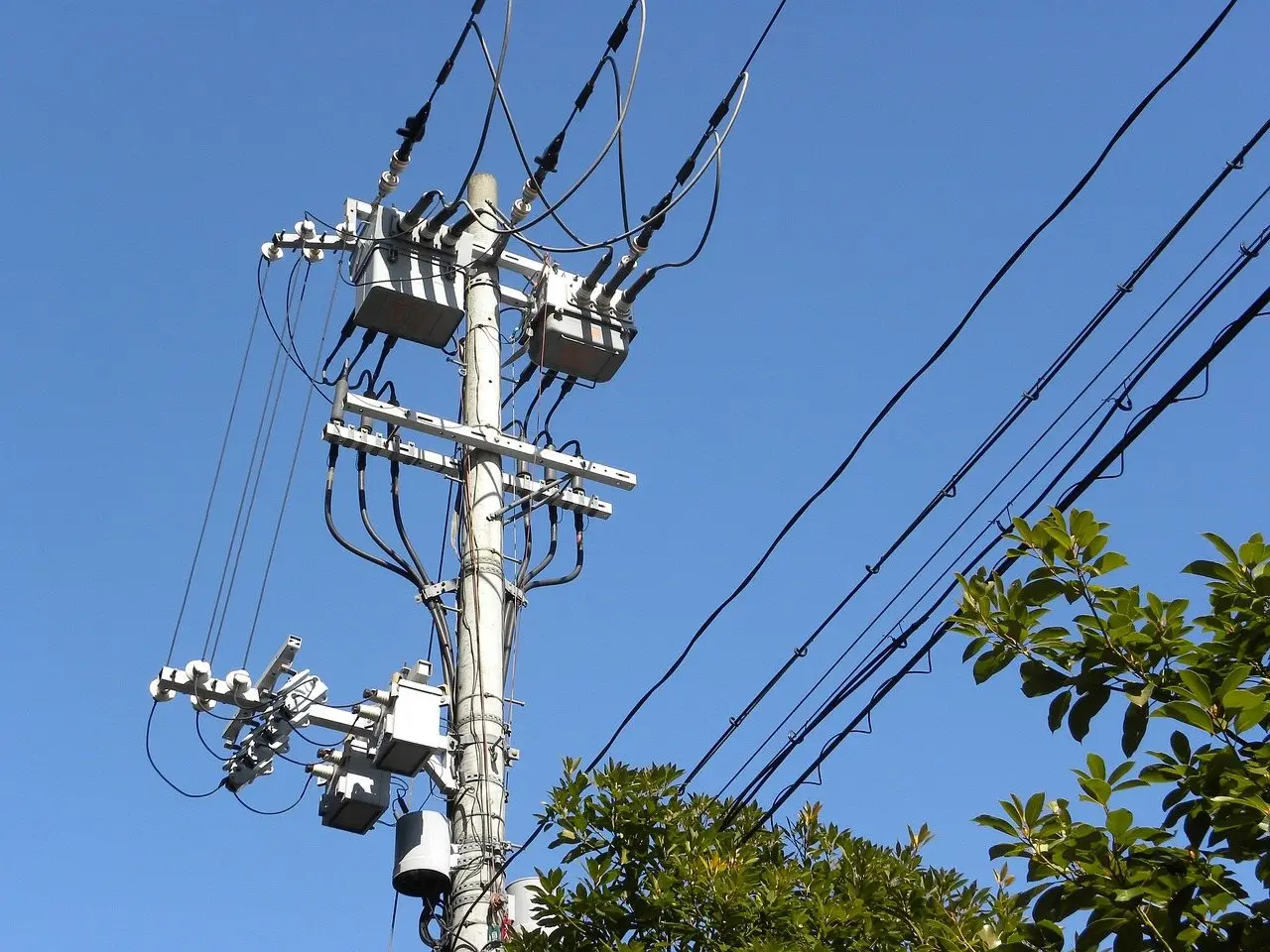
Squirrels are one of the most common causes of local power cuts, and the mechanism is always the same: an animal that bridges two things at different voltages.
Why one wire is safe and two are not
| situation | current flows? |
|---|---|
| Touching one conductor only | no — same potential throughout |
| Conductor to a second conductor | yes — fault |
| Conductor to grounded tank or guy wire | yes — fault |
| Standing on a grounded pole, touching a live terminal | yes — fault |
What an outage looks like from the house
| sequence | what it is |
|---|---|
| Lights flicker once or twice | recloser attempting automatic restoration |
| Power drops and stays off | fuse blown or recloser locked out |
| Restored within an hour or two | crew replaced a fuse |
| Longer | transformer or hardware damaged |
Never prune near an overhead line
A branch touching a service line is a utility job, not a ladder-and-loppers job. Report it. The same bridging physics that kills squirrels applies to a person holding a pole pruner.
What is actually done about it
- Insulating boots over transformer bushings and cutouts
- Animal guards on energised terminals
- Disc baffles on poles to stop climbing
- Tree clearance so squirrels cannot jump directly to hardware
- Wider phase spacing on new build, so an animal cannot bridge two conductors
It is almost never the whole grid
A squirrel outage is small and local by nature — one transformer, a handful of streets. Regional blackouts have other causes. If your street is out and the next one is not, an animal fault is a reasonable first guess.
Common questions
Do squirrels really cause power outages?
Why don't squirrels get shocked just walking on a wire?
What actually happens to the squirrel?
Why transformers specifically?
Can utilities prevent it?
Does this mean squirrels in my trees are a risk?
Backyard Weekly
Know what to plant, week by week
Join the weekly email for seasonal jobs, fixes for what is going wrong, and gear worth buying.
Not ready to subscribe? The planting calendar is free and needs no email.
By subscribing you agree to our privacy policy. Grow In Backyard will never sell your address.
Keep reading
Why Do Squirrels Chew Wires? Teeth That Never Stop Growing
Squirrel incisors grow continuously and must be worn down. Why cable is the right shape and hardness for the job, and how to protect wiring properly.
Can Squirrels Cause Electrical Fires? Yes, and They Do
Gnawed cable insulation is a documented ignition source in roof spaces. Why they chew wires, the warning signs, and the metal mesh that stops it.
Can Squirrels Cause Roof Damage? Soffit, Insulation, Cable
They enlarge gaps, strip soffit and fascia, foul insulation and gnaw cable. What the damage costs, and the order to tackle it in.
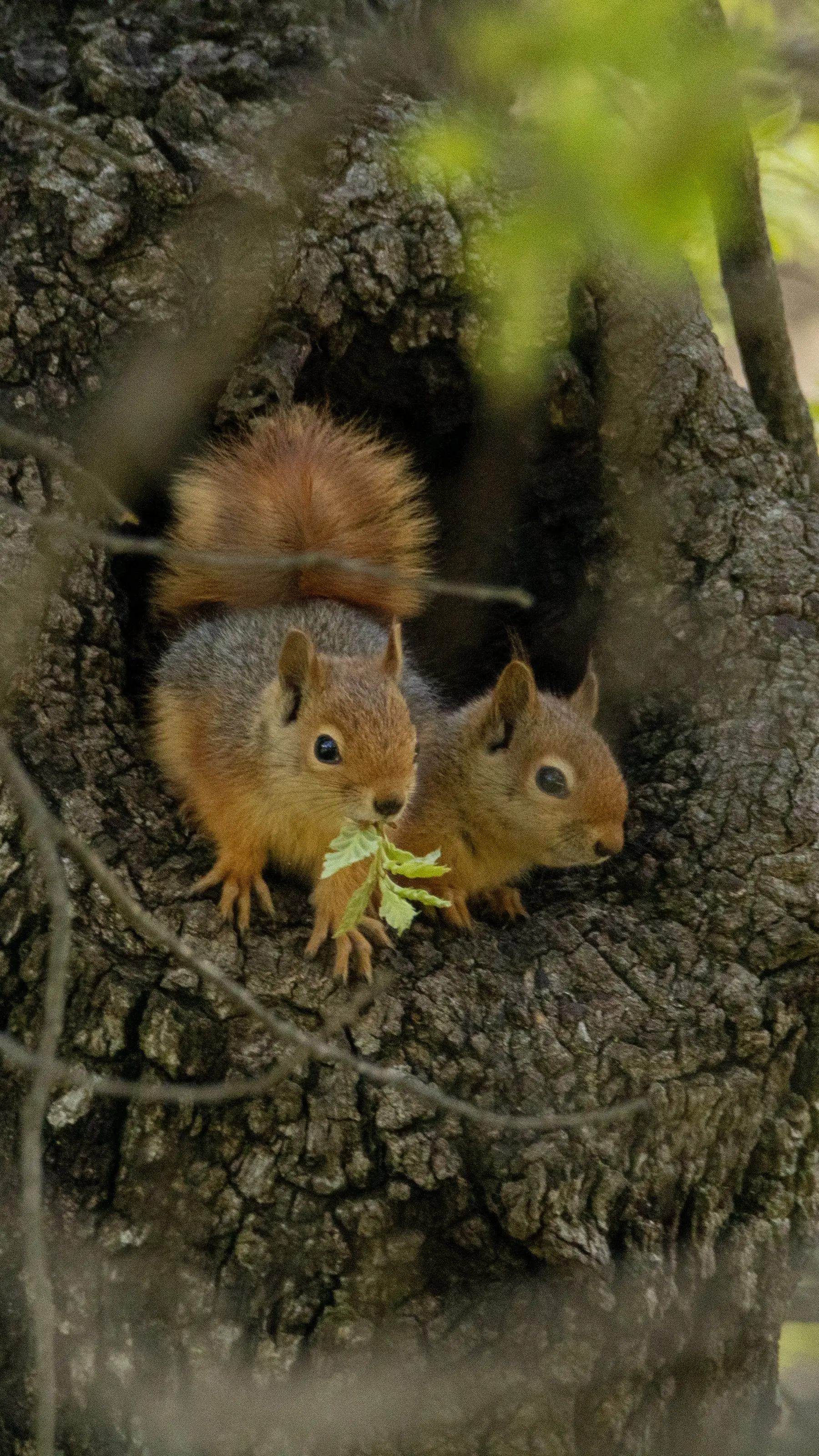
Do Squirrels Return to the Same Nest? Yes, And They Keep Several
Grey squirrels maintain two or three dreys at once and rotate between them. Why they abandon one, and what happens if you disturb a nest with young.