
Do Garter Snakes Eat Chipmunks? Almost Never
A garter snake is the wrong size and the wrong hunter for a chipmunk. What they actually eat, and which garden snakes do take small mammals.
 By
On this page
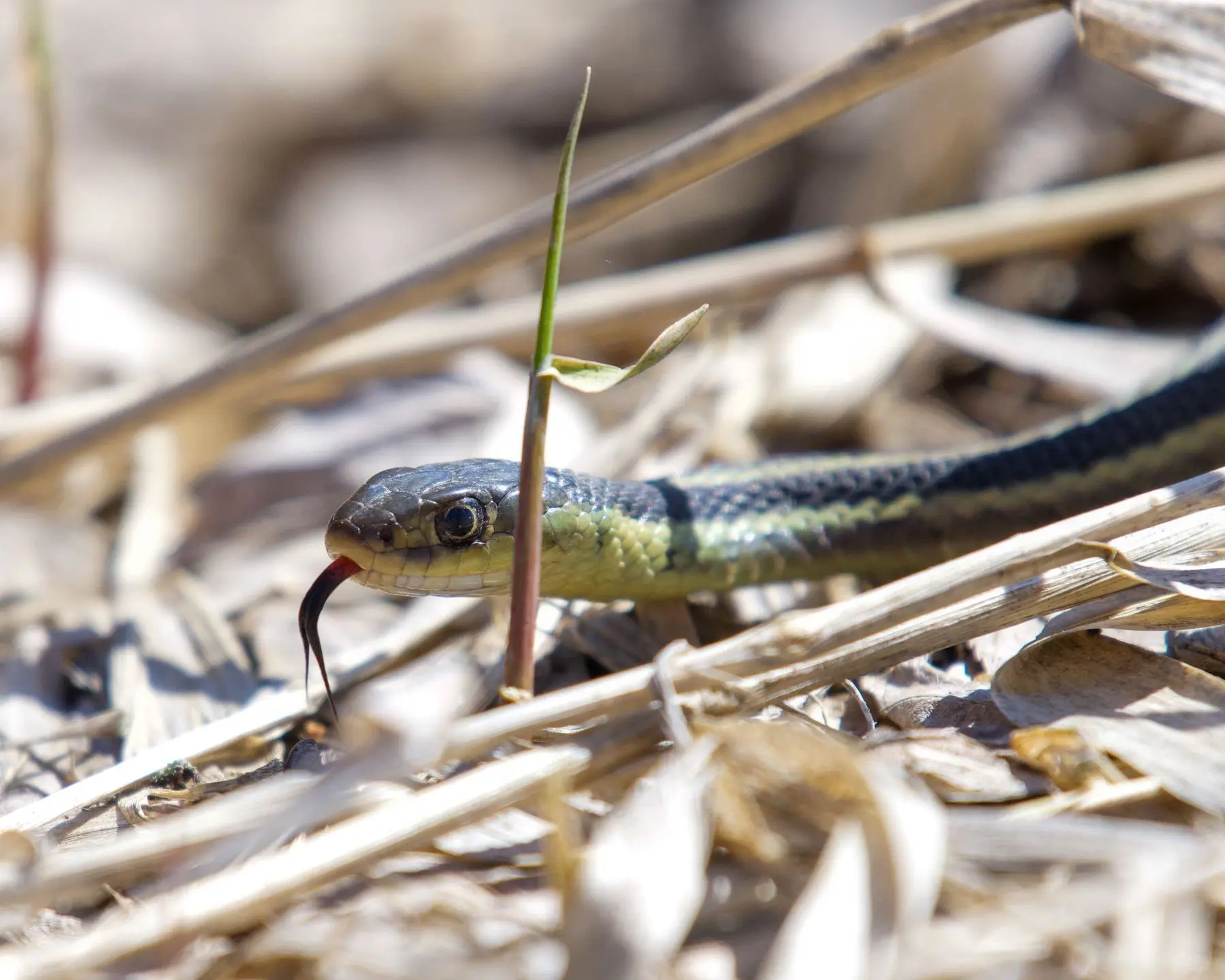
No — and the reason is mechanical. A garter snake has no way to kill a chipmunk, because it neither constricts nor envenomates anything that size.
Why the answer is no
| Garter snake | Rat snake | |
|---|---|---|
| Adult length | 18–26 in, very slender | 4–6 ft, heavy-bodied |
| Kill method | None — swallows prey alive | Constriction |
| Typical prey | Worms, slugs, frogs, toads | Rodents, birds, eggs |
| Enters burrows | No | Yes |
| Eats chipmunks | Nestlings at most, rarely | Routinely |
Swallowing live prey is the constraint. A garter snake grabs something and works it down, which is fine for an earthworm or a frog and hopeless against an animal that bites, kicks and weighs a significant fraction of the snake. Constriction is what makes rodent-eating possible, and garter snakes do not have it.
The one genuine exception: a nest of hairless young found underground. Uncommon, but not impossible.
What is actually eating your chipmunks
In rough order for a suburban garden:
- Cats. By a very wide margin, and not close
- Hawks — Cooper’s and sharp-shinned are the garden specialists
- Owls, at dawn and dusk
- Foxes, weasels, raccoons
- Rat snakes, kingsnakes, milk snakes; copperheads and rattlesnakes where they occur
A wild chipmunk often lives barely more than a year. That number is mostly this list.
A garter snake in the garden is on your side
Slugs, snails and insects in quantity, no risk to people, pets or poultry, and no interest in anything you are growing. If one is somewhere awkward, take away the cover it likes — log piles, long grass, sheet material lying on soil — rather than removing the snake.
And if you are worried about being bitten
Garter snakes will flatten themselves, release a genuinely unpleasant musk, and may bite if picked up. The bite can leave mild local swelling, because there is a weak toxin in the saliva — but there is no delivery system for it and no meaningful hazard to a person or a pet. Leave it alone and it leaves you alone.
Common questions
Do garter snakes eat chipmunks?
What do garter snakes actually eat?
Which snakes do eat chipmunks?
Are garter snakes dangerous?
What does eat chipmunks in a garden?
Should I get rid of garter snakes?
Backyard Weekly
Know what to plant, week by week
Join the weekly email for seasonal jobs, fixes for what is going wrong, and gear worth buying.
Not ready to subscribe? The planting calendar is free and needs no email.
By subscribing you agree to our privacy policy. Grow In Backyard will never sell your address.
Keep reading
Snakes in a Pond: Which Ones, and What to Do
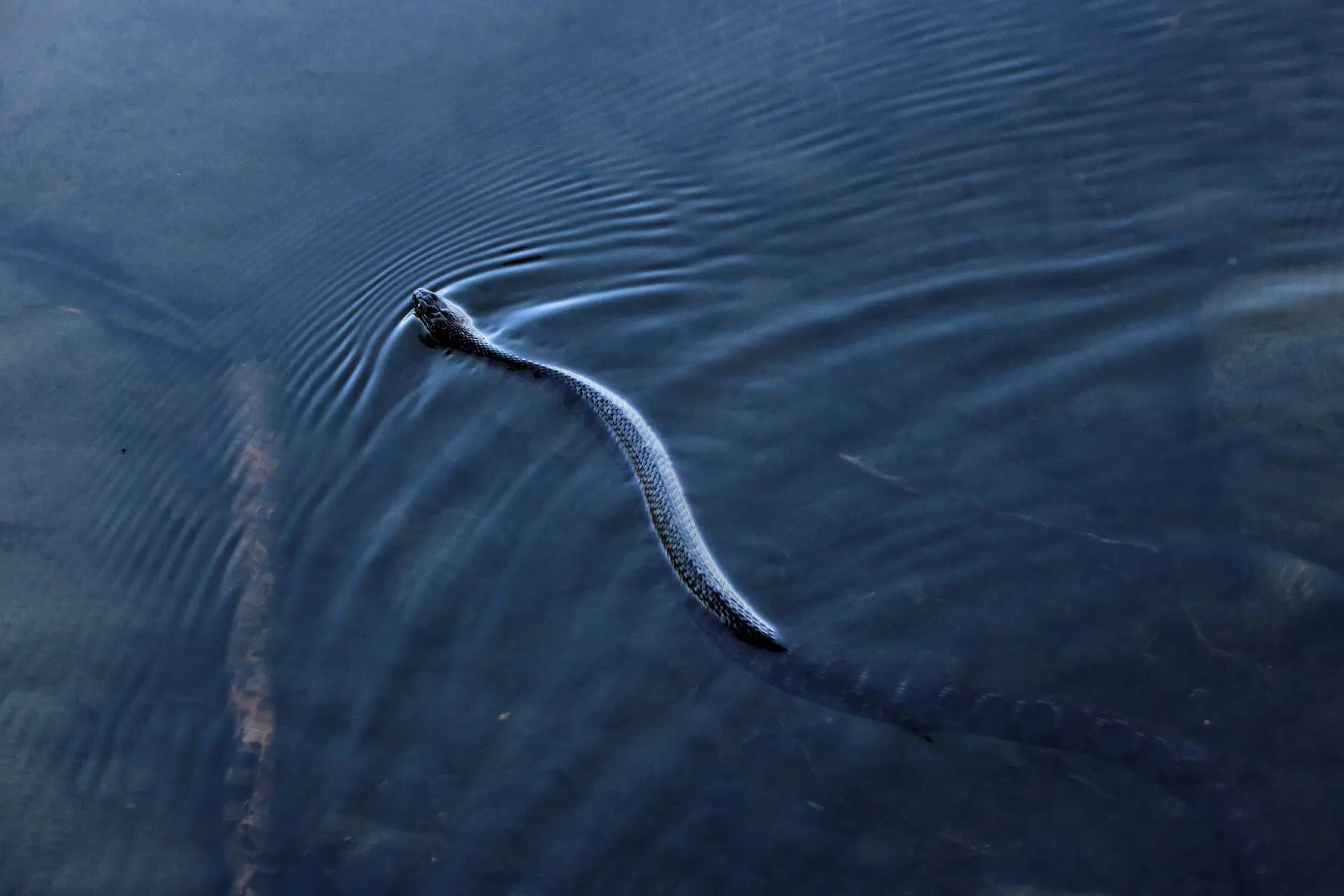
Most pond snakes are harmless water-hunting species eating frogs and fish. How to tell them from a cottonmouth, and why removing the food removes the snake.
Do Lizards Keep Snakes Away? And Do Frogs Attract Them?
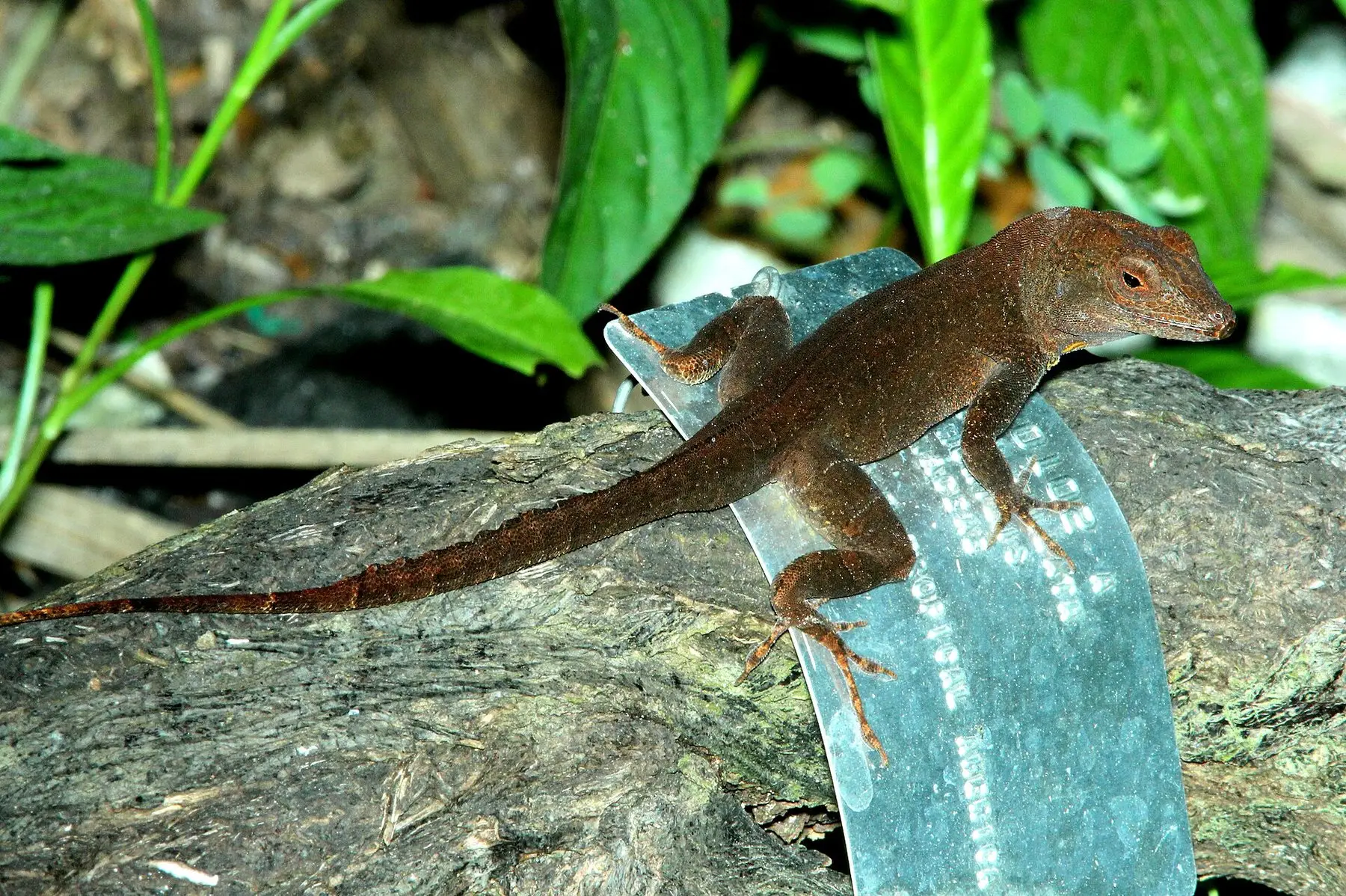
Lizards do not repel snakes — they are prey. Frogs do not summon them either. What a yard's small animals actually tell you about its snakes.
How Long Do Chipmunks Live? And Why They Dig Up Pots
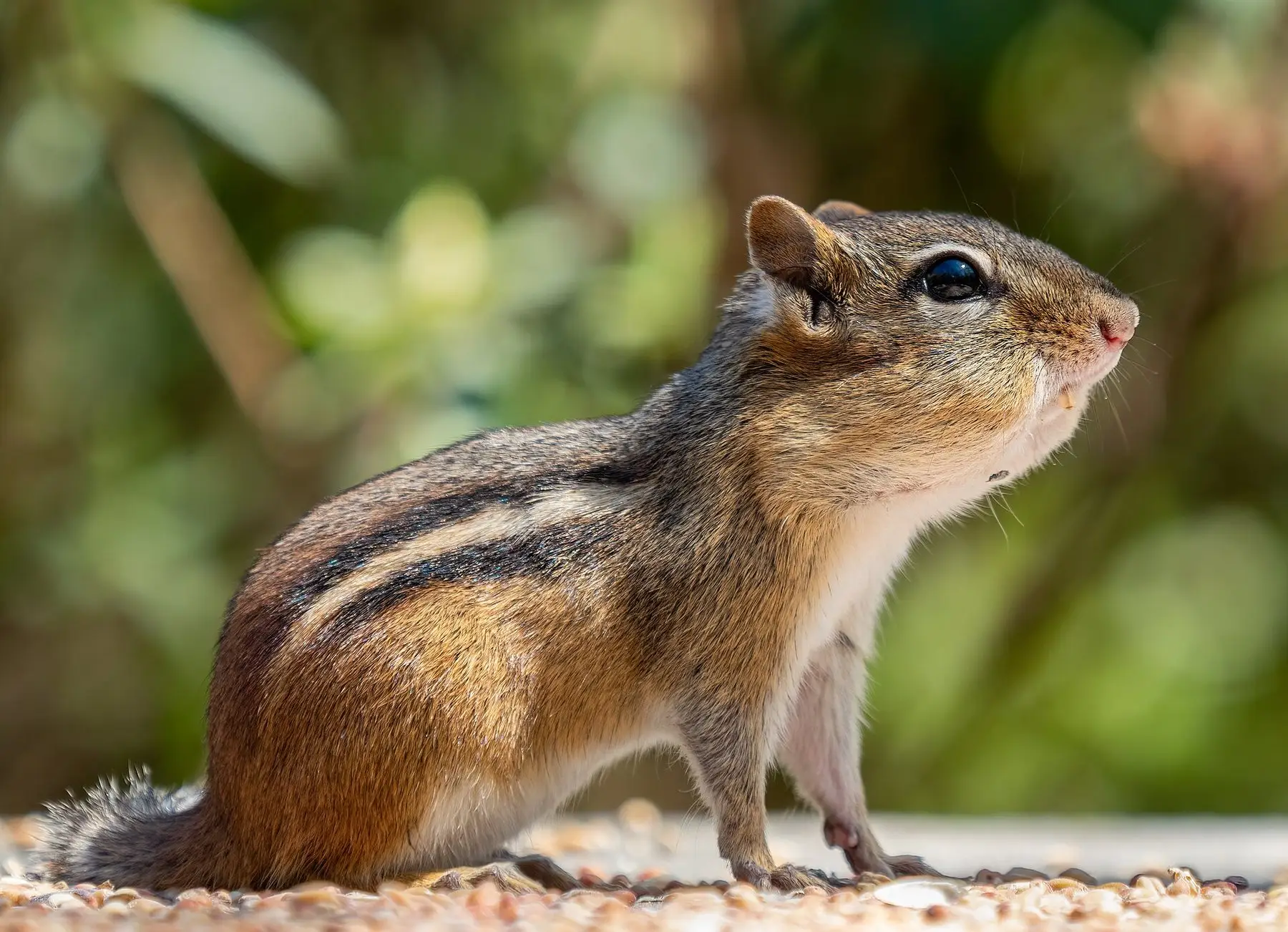
Wild chipmunks rarely see three years — predators and winter mortality see to that. Realistic lifespan, what they eat, and why flower pots are such an easy target.
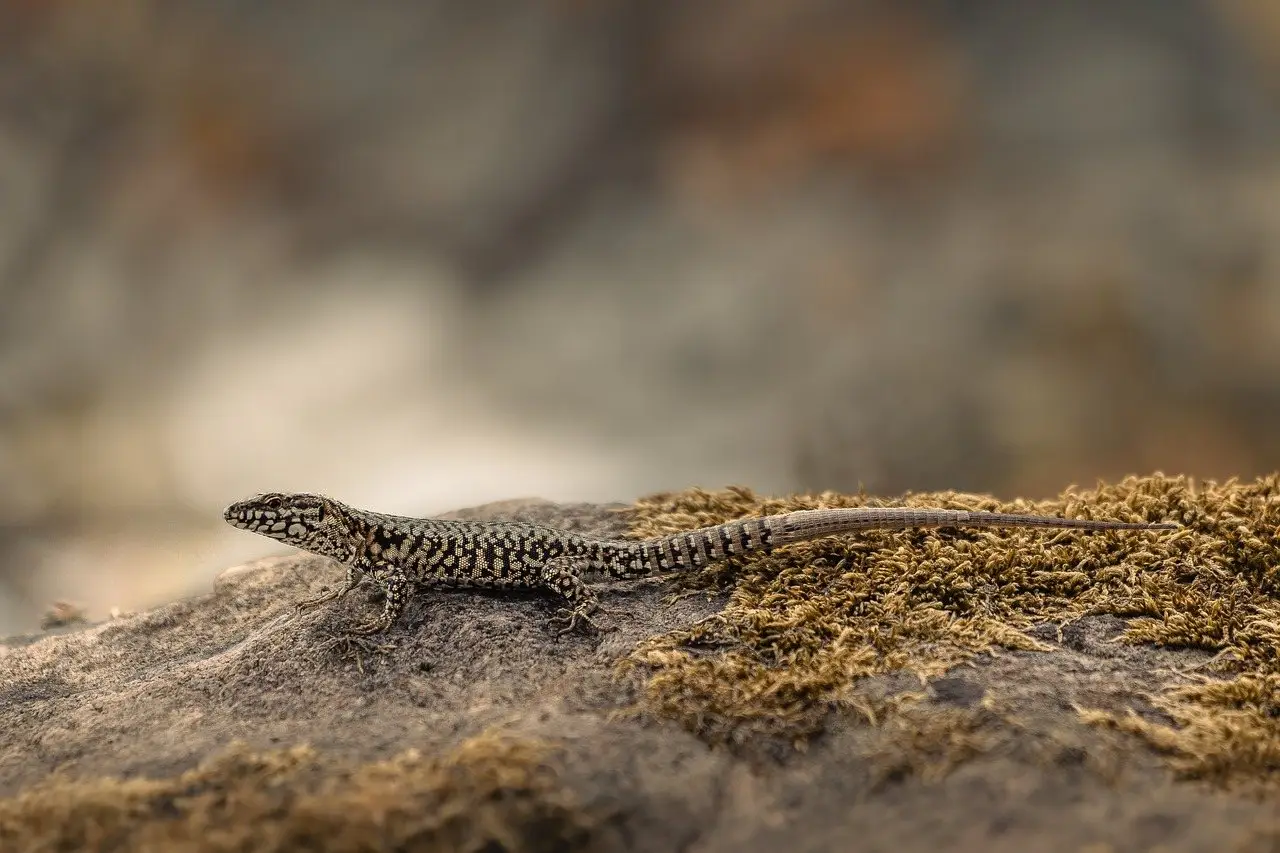
Do Lizards Eat Other Lizards? Yes, More Often Than You Think
Cannibalism and predation between lizards is common, including adults eating hatchlings of their own species. When it happens and what it means in a garden.