
Can a Woodpecker Kill a Tree? Usually It Is a Symptom
Woodpeckers rarely kill healthy trees — they are hunting insects already inside. Where sapsuckers are the exception, and when the damage matters.
 By

On this page
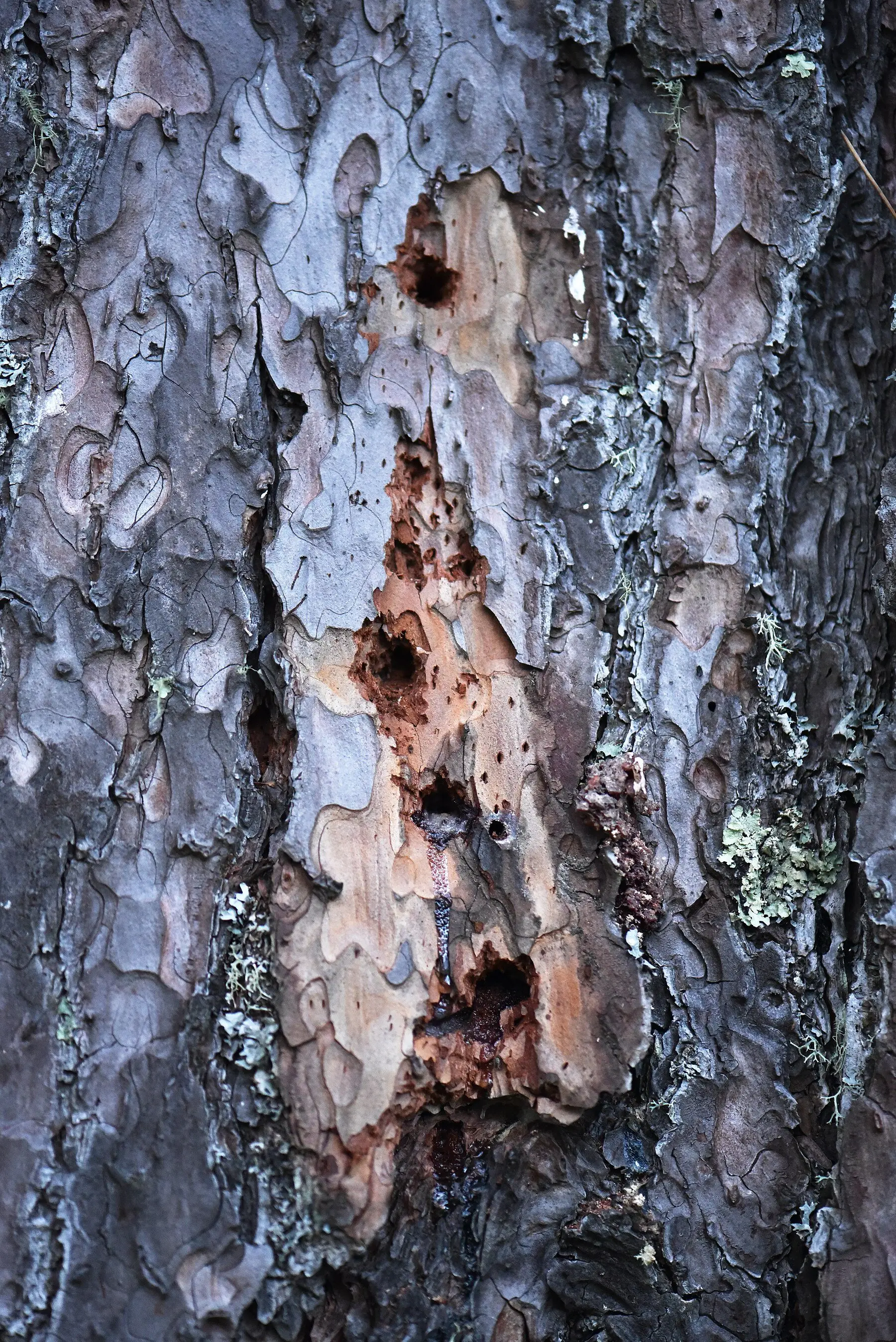
Mostly no — and the holes are usually telling you something rather than doing the damage. A woodpecker excavating a trunk is following insects that are already in the wood.
There is one genuine exception, and it is worth being able to recognise.
Read the holes
| Pattern | What it is | Concern |
|---|---|---|
| Irregular, scattered, varying depth | Feeding — following larvae | The insects are the problem |
| Neat horizontal rows, evenly spaced | Sapsucker wells | Can girdle; worth acting on |
| One large round hole, 1.5–4 in | Nest cavity | Usually dead or soft wood |
| Rapid drumming, no hole | Territorial signalling | None — it is about sound |
Drumming confuses people most. It is a communication signal, not excavation, and the bird chooses whatever is loudest — which is why gutters, flashing, aluminium siding and chimney caps get hammered at dawn in spring. It does no structural damage and stops when breeding season ends.
Why irregular holes are a message
A woodpecker working a trunk hard has found carpenter ants, bark beetles, or wood-boring larvae. Those insects generally colonise trees that are already stressed, damaged or dying.
So the sequence is: tree declines → insects move in → woodpecker follows.
Sustained woodpecker attention on one tree is worth an arborist’s opinion — not because of the bird, but because of what it is eating.
Sapsuckers, the real exception
Yellow-bellied sapsuckers drill rows of shallow wells in healthy trees and return repeatedly to keep the sap flowing, feeding on the sap and on insects it traps.
Favoured species: birch, maple, apple, mountain ash, pine.
The risk is girdling. If rows encircle a trunk or limb completely, they can sever the conductive tissue above that point. The wounds also admit fungal disease and attract other insects.
Even so, outright death is uncommon and usually needs repeated heavy attacks over several seasons, or a tree that was already struggling.
What to do
Wrap it. Burlap or hardware cloth around the affected section through the active season is the most reliable protection for a valued tree.
Visual deterrents — reflective tape, spinning devices, old CDs — work for a while. Birds habituate, so move them regularly.
Fix the real problem where it is insects: an arborist can identify the borer and say whether the tree is worth treating.
Never use sticky repellents
Sticky gels marketed for bird deterrence foul feathers and are frequently fatal — to woodpeckers and to any small bird that lands. They also trap bats and insects. Beyond the cruelty, woodpeckers are protected under the Migratory Bird Treaty Act in the US and equivalent law in Canada and Europe, and killing or harming one without a permit is an offence.
And what they are worth
A woodpecker working over a tree is eating carpenter ants and wood-boring larvae — the insects that damage timber, including timber in your house.
They also excavate the cavities that chickadees, nuthatches, bluebirds, wrens and small owls nest in afterwards. A garden that keeps a few standing dead limbs, safely sited, is doing more for local bird populations than most nest boxes achieve.
Common questions
Can a woodpecker kill a tree?
Why is a woodpecker pecking my tree?
What does sapsucker damage look like?
Should you worry about woodpecker holes in a tree?
How do you stop woodpeckers damaging a tree?
Are woodpeckers protected?
Backyard Weekly
Know what to plant, week by week
Join the weekly email for seasonal jobs, fixes for what is going wrong, and gear worth buying.
Not ready to subscribe? The planting calendar is free and needs no email.
By subscribing you agree to our privacy policy. Grow In Backyard will never sell your address.
Keep reading
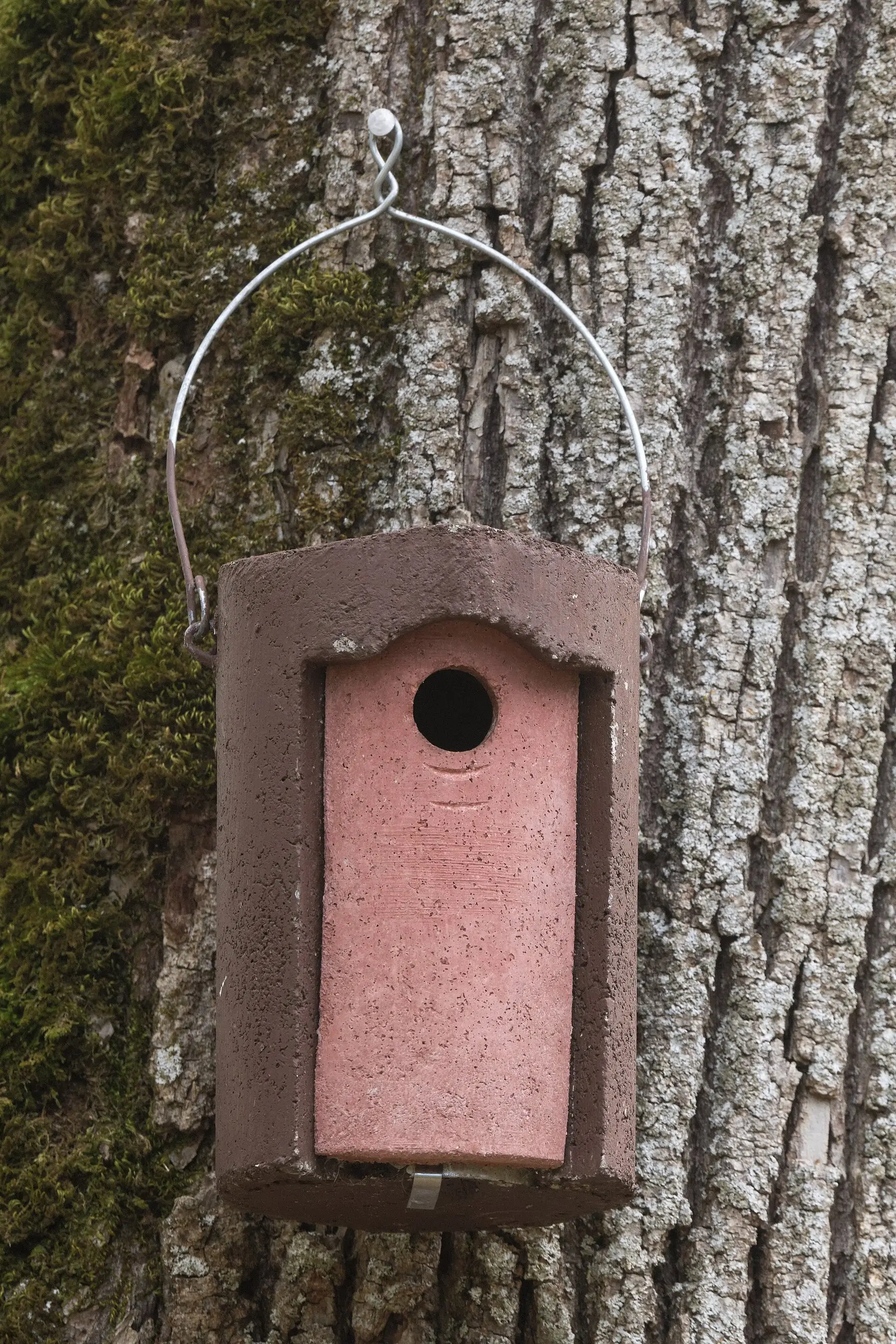
Bird House Hole Size: The Number That Picks the Tenant
Entrance diameter decides which species can use a box and which predators cannot. A size chart, the dimensions that go with each, and why perches are harmful.
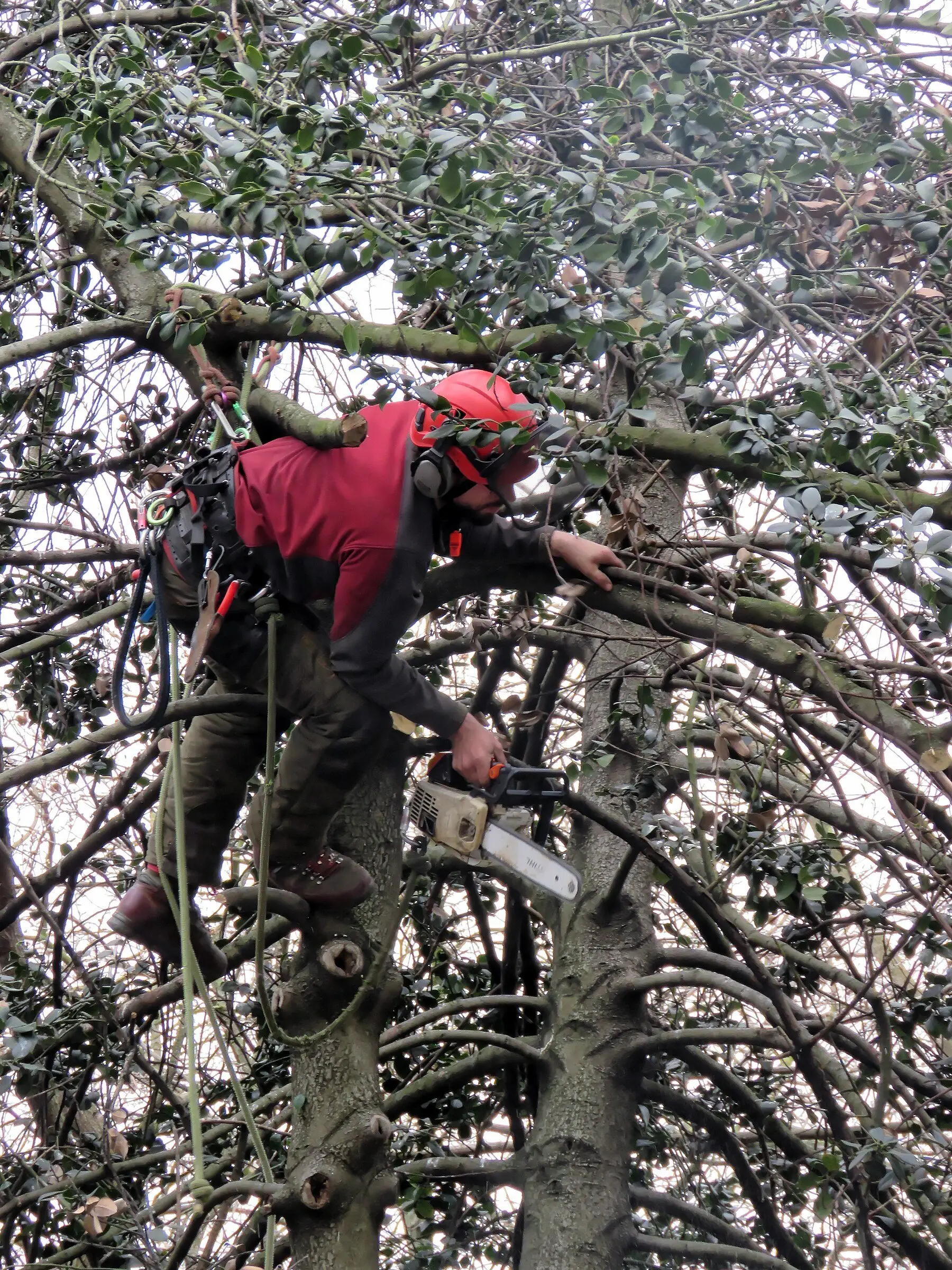
How to Cut a Tree Down, and When Not to Try
Felling is decided before the saw starts: lean, hazards, escape routes, and whether the tree is within your competence at all. Where the line is, honestly.
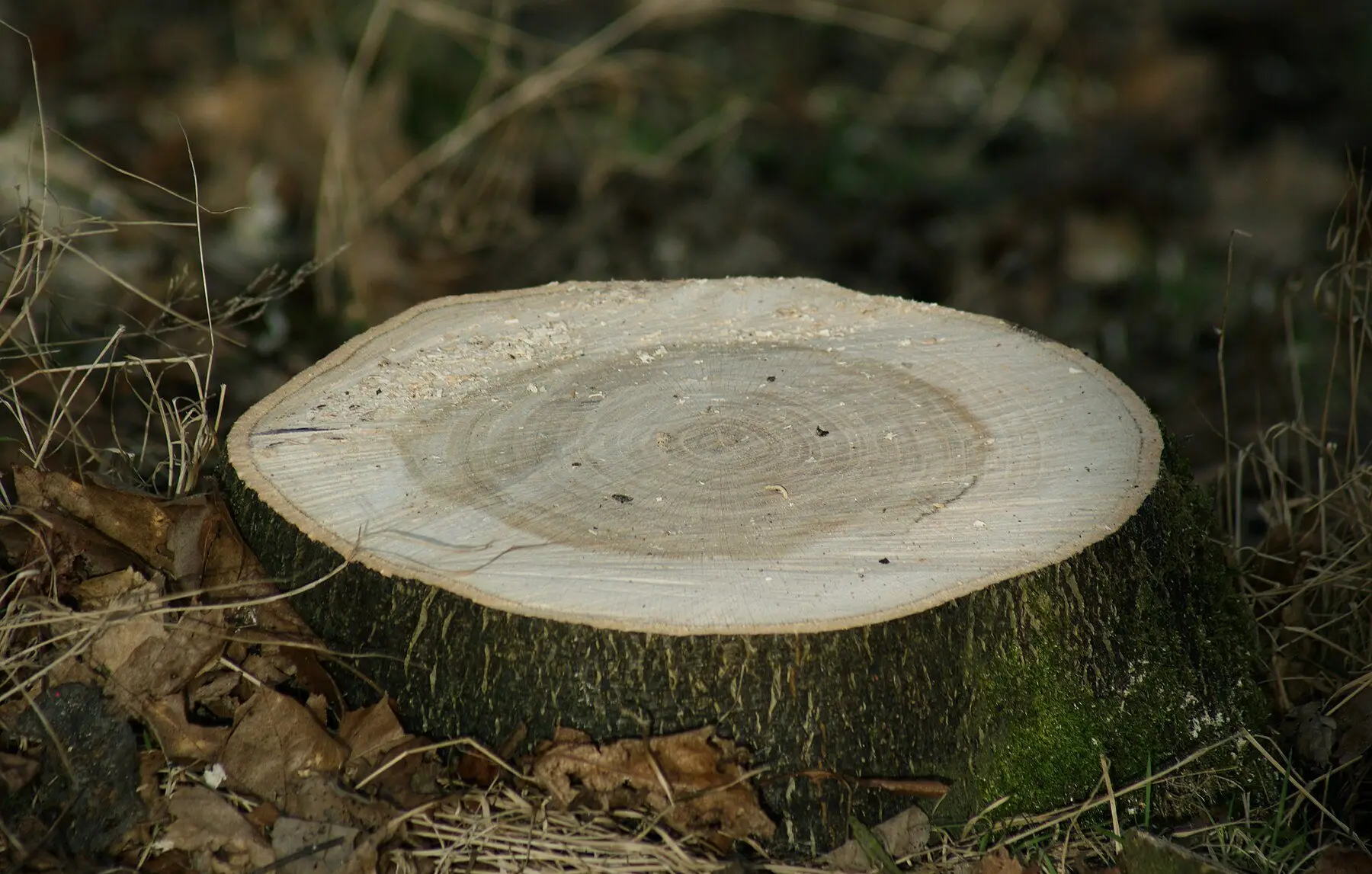
15 Tree Stump Ideas (And When to Just Remove It)
Planters, seating, wildlife habitat, and log stools — what to do with a stump you would rather not grind, and when removal is the only sensible answer.
Can Hummingbirds Hear Human Voices? Yes, and Very Well
Hummingbirds hear across the human vocal range and some species detect sounds above it. Several can learn to associate a specific voice with food.