
Are Snails Mammals? No — They Are Molluscs
No backbone, no fur, no live birth. Where snails actually sit in the animal kingdom, and the surprising thing they share with octopuses.
 By
On this page
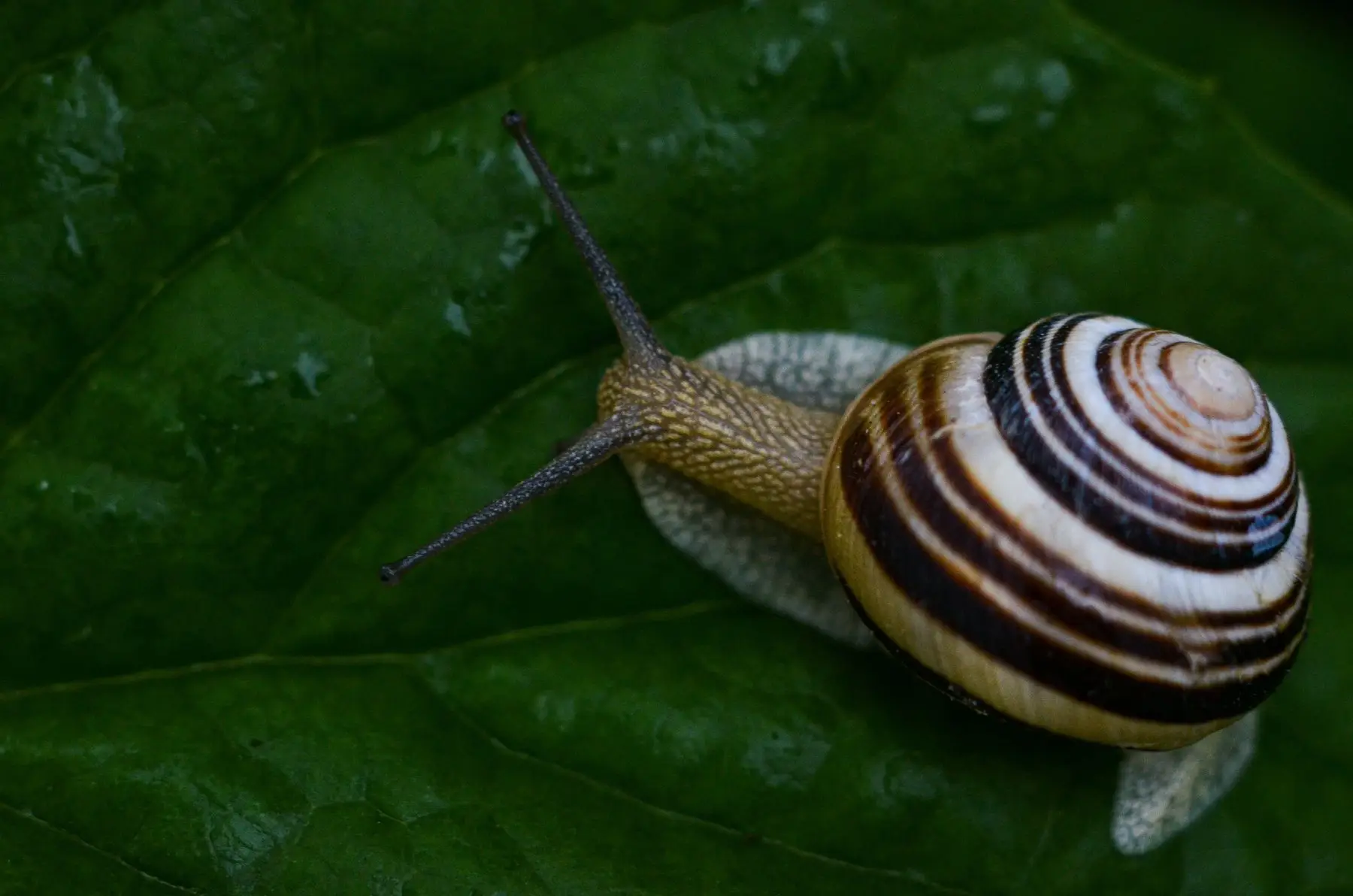
A snail is a mollusc. It has more in common with an octopus than with anything that has fur, a backbone or warm blood.
Where a snail sits
| rank | snail |
|---|---|
| Kingdom | Animalia |
| Phylum | Mollusca |
| Class | Gastropoda |
| Also in the phylum | octopus, squid, clam, oyster, mussel |
| Also in the class | slug, limpet, whelk, sea slug |
Mammal, insect, mollusc
| feature | mammal | insect | snail |
|---|---|---|---|
| Backbone | yes | no | no |
| Hair or fur | yes | no | no |
| Jointed legs | yes | yes | no — one foot |
| Exoskeleton | no | chitin | shell, calcium carbonate |
| Warm-blooded | yes | no | no |
| Milk | yes | no | no |
| Segmented body | — | yes | no |
The radula is the mollusc signature
Most molluscs feed with a radula — a ribbon of tiny teeth that rasps material away, rather like a file. A snail has one, and so does an octopus. It is one of the features that groups such different-looking animals together.
Why the shell needs calcium
The shell is secreted by the mantle and grows continuously with the animal, which means a steady calcium supply matters. That is why snails are most abundant on chalk and limestone, why they are drawn to old mortar and concrete, and why a garden on acidic sandy soil tends to have fewer snails and more slugs — a slug does not carry the same calcium cost.
Hermaphrodite does not mean self-fertilising
Most land snails carry both sets of organs but still mate with another snail, after which both individuals lay eggs. It is one reason a small population can expand quickly: every adult is capable of producing a clutch.
Common questions
Are snails mammals?
Are snails insects then?
What are snails most closely related to?
Do snails have a backbone?
Do snails give birth or lay eggs?
Are snails warm-blooded?
Backyard Weekly
Know what to plant, week by week
Join the weekly email for seasonal jobs, fixes for what is going wrong, and gear worth buying.
Not ready to subscribe? The planting calendar is free and needs no email.
By subscribing you agree to our privacy policy. Grow In Backyard will never sell your address.
Keep reading
Is a Snail an Insect? No — Here Is What It Actually Is
Snails are molluscs, not insects, and they are more closely related to an octopus than to a beetle. What that means for controlling them in a garden.
Slugs vs Snails: The Difference, and Why It Matters
A slug is essentially a snail that gave up its shell. What that one change did to where they live, what they eat, and how hard each is to keep off plants.
Where Can I Find Snails in My Backyard? Damp, Dark, Low
Snails spend daylight within a metre of where they fed. The nine places to look, the two hours that work best, and how to find them deliberately.
Can Snails Eat Broccoli? Yes, and They Like It a Lot
Broccoli is safe and nutritious for pet snails, and leaves beat florets. In the garden, brassicas are exactly what snails target first.