
How to Display Air Plants Without Killing Them
Air plants need airflow and a full dry-out after watering. The displays that work, the ones that rot plants, and how to mount them safely.
 By
On this page
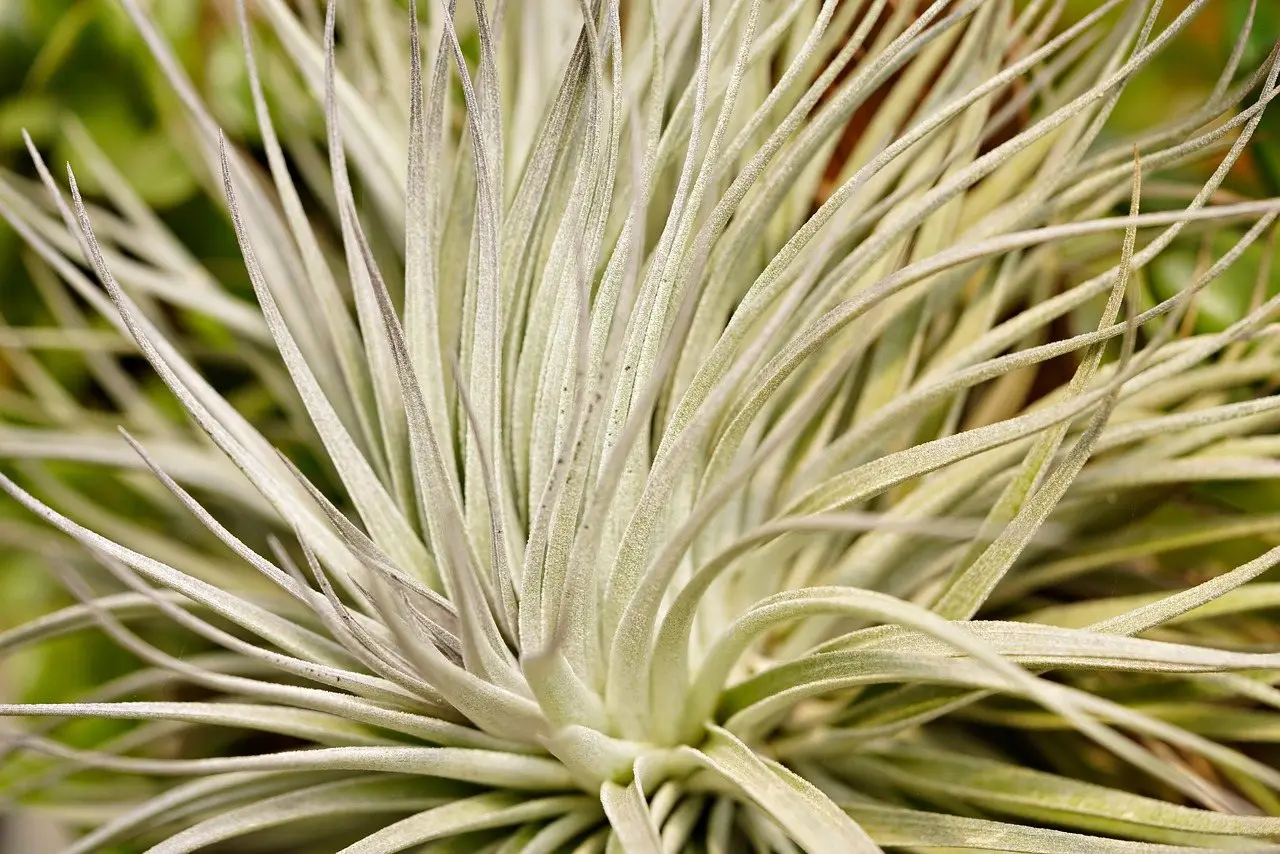
Air plants are killed by displays that hold water, not by neglect. Every choice below comes back to one requirement: the plant must dry out completely within a few hours of watering.
Displays that work
| display | why it works |
|---|---|
| Driftwood or cork bark | Natural, airy, plants wedge or wire on easily |
| Open wire or metal frame | Maximum airflow; plants lift out for watering |
| Hanging wire hoop or ring | Good air movement, easy to take down |
| Shallow open dish of pebbles | Simple; rotate plants and dry them properly |
| Magnet on a fridge | Small species only; genuinely works |
| Mounted on a shell or stone | Decorative, lifts off for soaking |
| Open-mouthed glass globe | Only if the plant comes out to water |
Displays that kill them
- Closed terrariums and sealed jars — the single commonest cause of death
- Moss-packed vessels, which hold water against the base
- Glass with a narrow opening and no air exchange
- Hot glue anywhere on the plant
- Any mount that cannot be taken down for watering and drying
- Sitting in a bowl of water, which rots the base in days
Water in the centre is what rots them
After soaking, shake the plant firmly and leave it upside down somewhere with moving air for three to four hours. A plant that comes apart in your fingers from the base died of trapped water, not thirst.
Mounting
- Wedging — cork bark and driftwood crevices hold most species with no fixing
- Coated florist wire, loose around the base, twisted at the back
- Clear fishing line, less visible, same method
- A tiny spot of waterproof silicone or E6000 at the very base, if you must glue
- Never hot glue, and never adhesive over the leaf bases
Care on display
| need | detail |
|---|---|
| Water | Soak 20–30 min weekly; 2–3× in dry heated air |
| Drying | Shake, then upside down 3–4 hours in moving air |
| Light | Bright indirect. Silver species take more sun |
| Air | Constant movement; a stagnant corner is fatal over time |
| Feed | Very dilute bromeliad or orchid feed, monthly at most |
| Temperature | Above 40 °F — most are damaged by cold, not just frost |
Outdoors in summer
Hung in dappled shade on a porch or under a tree, air plants usually do better outside than in: real airflow, natural humidity and rain doing most of the watering. Bring them in before autumn in any climate that frosts, and keep them out of full midday sun while they adjust.
Common questions
What is the best way to display air plants?
Can air plants live in a closed terrarium?
How do you mount an air plant without glue?
How often should air plants be watered on display?
What light do air plants need on display?
Can air plants be displayed outdoors?
Backyard Weekly
Know what to plant, week by week
Join the weekly email for seasonal jobs, fixes for what is going wrong, and gear worth buying.
Not ready to subscribe? The planting calendar is free and needs no email.
By subscribing you agree to our privacy policy. Grow In Backyard will never sell your address.
Keep reading
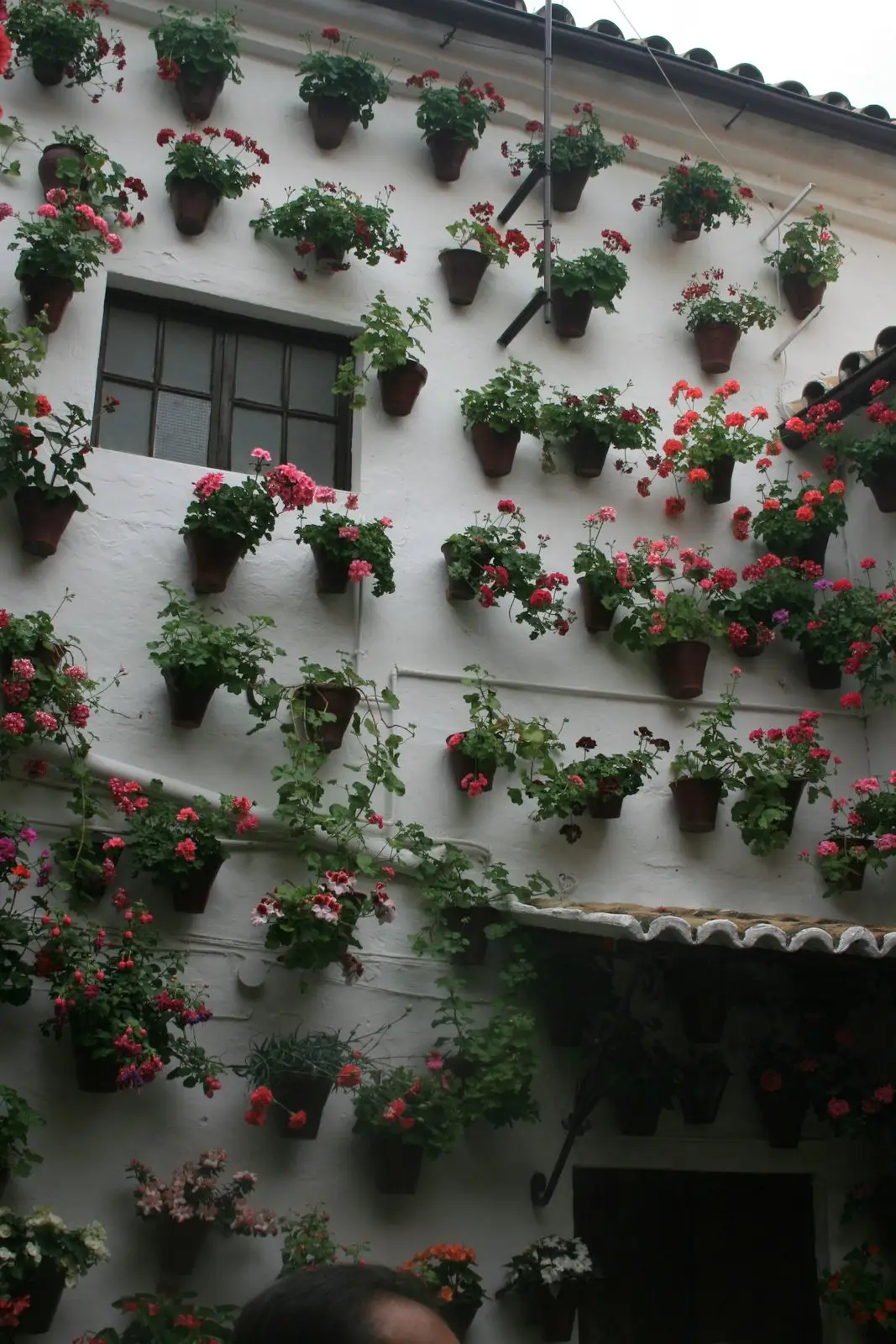
Outdoor Plants in Pots: What Survives, and What Kills Them
A pot outdoors is a harsher place than the ground — hotter, drier, and colder in winter. How to pick plants and pots that cope, and get through the cold.
Repotting Into Bigger Pots: One Size Up, Not Three
Go up one or two inches in diameter, never more. The signs a plant needs repotting, the right season, and why a huge pot sets it back.
Outdoor Plants Safe for Cats and Dogs (And What to Remove)
A planting list that is non-toxic to pets, plus the common garden plants worth removing — lilies, sago palm, foxglove and yew among them.
How to Grow Aloe Vera: Underwater It and Give It Sun
Aloe is killed by watering, not neglect. How to tell thirst from rot, why the leaves go flat or brown, and what to do with the pups it keeps producing.