
How Long Is a Squirrel Pregnant? 38 to 46 Days by Species
Gray squirrels carry for about 44 days, reds for 38 to 40, and fox squirrels 44 to 45. The two breeding seasons, litter sizes, and what follows birth.
 By
On this page
A squirrel is pregnant for about six weeks, not six months. Gray squirrels carry roughly 44 days; red squirrels 38 to 40. That short gestation is the whole reason two litters a year is normal.
Gestation by species
| species | gestation | typical litter |
|---|---|---|
| Eastern gray squirrel | about 44 days | 2–4 |
| Fox squirrel | 44–45 days | 2–4 |
| American red squirrel | 38–40 days | 3–5 |
| Southern flying squirrel | about 40 days | 2–4 |
| Ground squirrels (varies widely) | 23–30 days | 5–10 |
Tree squirrels cluster tightly around six weeks. Ground squirrels are a different group with shorter gestation and larger litters — worth knowing if you are reading a figure without the species attached.
The two breeding seasons
Most of the range runs two cycles:
| season | mating | births | young emerge |
|---|---|---|---|
| Winter | December–February | February–March | April–May |
| Summer | May–June | June–August | August–October |
Timing shifts with latitude and with the previous autumn’s nut crop. After a poor mast year many females skip the second litter, and in a good year a higher proportion of yearlings breed at all. That is why squirrel numbers swing so much from year to year.
What happens after birth
| age | stage |
|---|---|
| 0 days | blind, hairless, pink, about 1 in long, roughly 15 g |
| 2–3 weeks | fine fur appears; ears open |
| 4 weeks | eyes open |
| 5–6 weeks | fully furred, moving within the nest |
| 7–8 weeks | first ventures outside the nest |
| 10 weeks | weaned, eating solid food |
| 12 weeks | effectively independent |
The ten to twelve weeks of nest-rearing is far longer than the pregnancy itself, and it is the period people usually mean when they say a squirrel has “been pregnant for months.”
Why this matters for roof and attic work
A female with a nest will not abandon unweaned young. Sealing an entry point between roughly February and April, or August and October, risks walling in a litter. The humane window is after the young have emerged — which is also when exclusion actually holds.
Litter size, and what moves it
- First-time mothers have smaller litters than experienced ones
- A good autumn nut crop produces larger litters the following spring
- Red squirrels average slightly larger litters than grays
- Survival is the real variable. Of a litter of four, often one or two reach their first autumn
How you can tell a female is nursing
Not from the belly — you cannot read pregnancy in a squirrel at distance. The visible signs are after birth:
- Prominent nipples, obvious when the squirrel stretches or climbs
- Constant feeding, usually close to one tree
- Carrying nesting material repeatedly to the same spot
- Short trips — a nursing female rarely goes far from the nest
- Carrying a kit clamped against her belly, if she is moving the litter
If you find a kit on the ground, the mother will usually retrieve it. Leaving it warm, in a box at the base of the tree, for a couple of hours is standard advice before contacting a licensed rehabilitator — and contacting one is the right next step, since raising a squirrel requires a permit in most places and the wrong milk kills them.
Common questions
How long is a squirrel pregnant?
How many months is a squirrel pregnant?
How many babies does a squirrel have?
When do squirrels breed?
What do newborn squirrels look like?
Does the male squirrel help raise the young?
Backyard Weekly
Know what to plant, week by week
Join the weekly email for seasonal jobs, fixes for what is going wrong, and gear worth buying.
Not ready to subscribe? The planting calendar is free and needs no email.
By subscribing you agree to our privacy policy. Grow In Backyard will never sell your address.
Keep reading
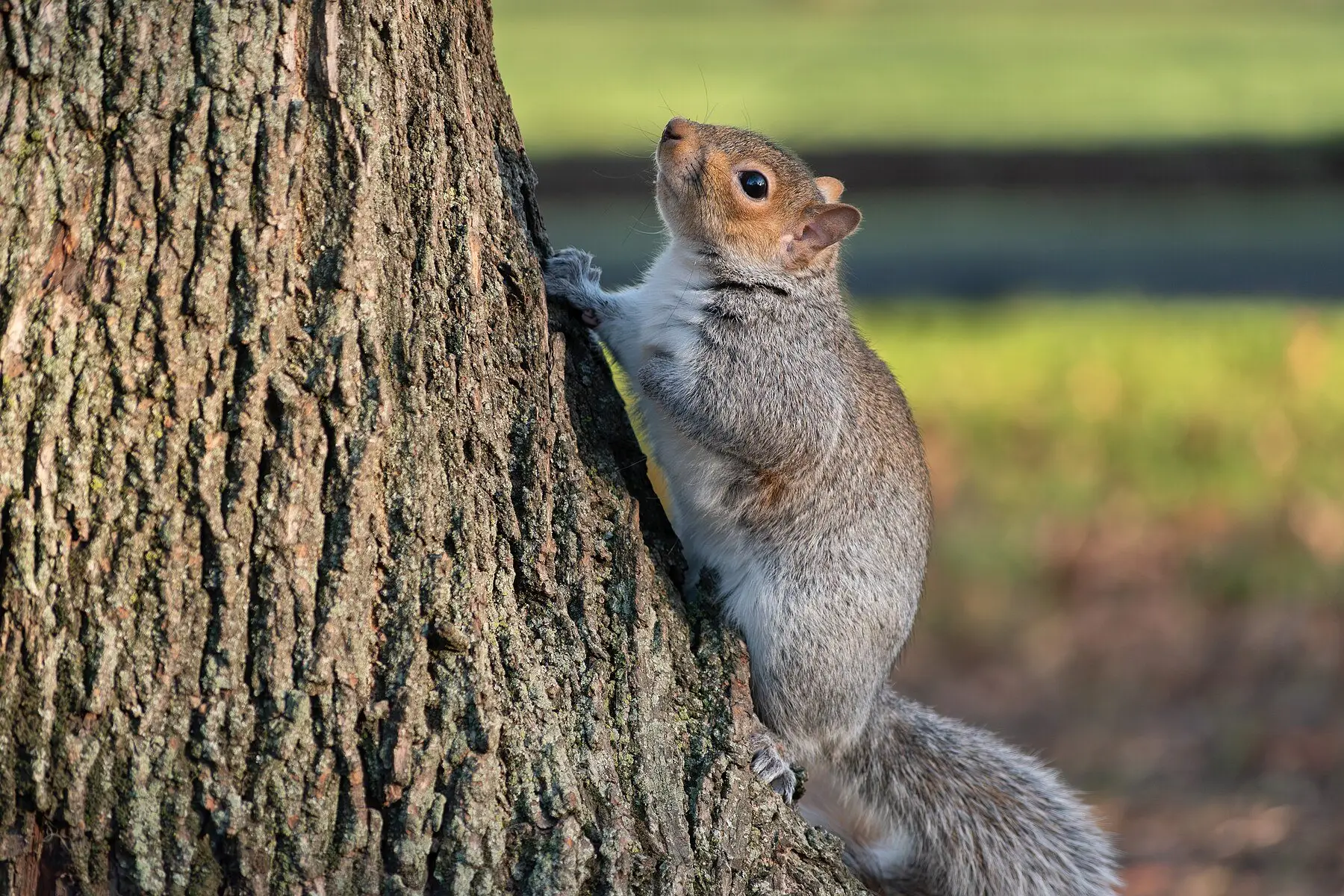
When Do Squirrels Mate? The Two Seasons and the Chases
Grey squirrels breed twice a year, in midwinter and midsummer. What the frantic spiral chases mean, and why babies appear in your attic in February.
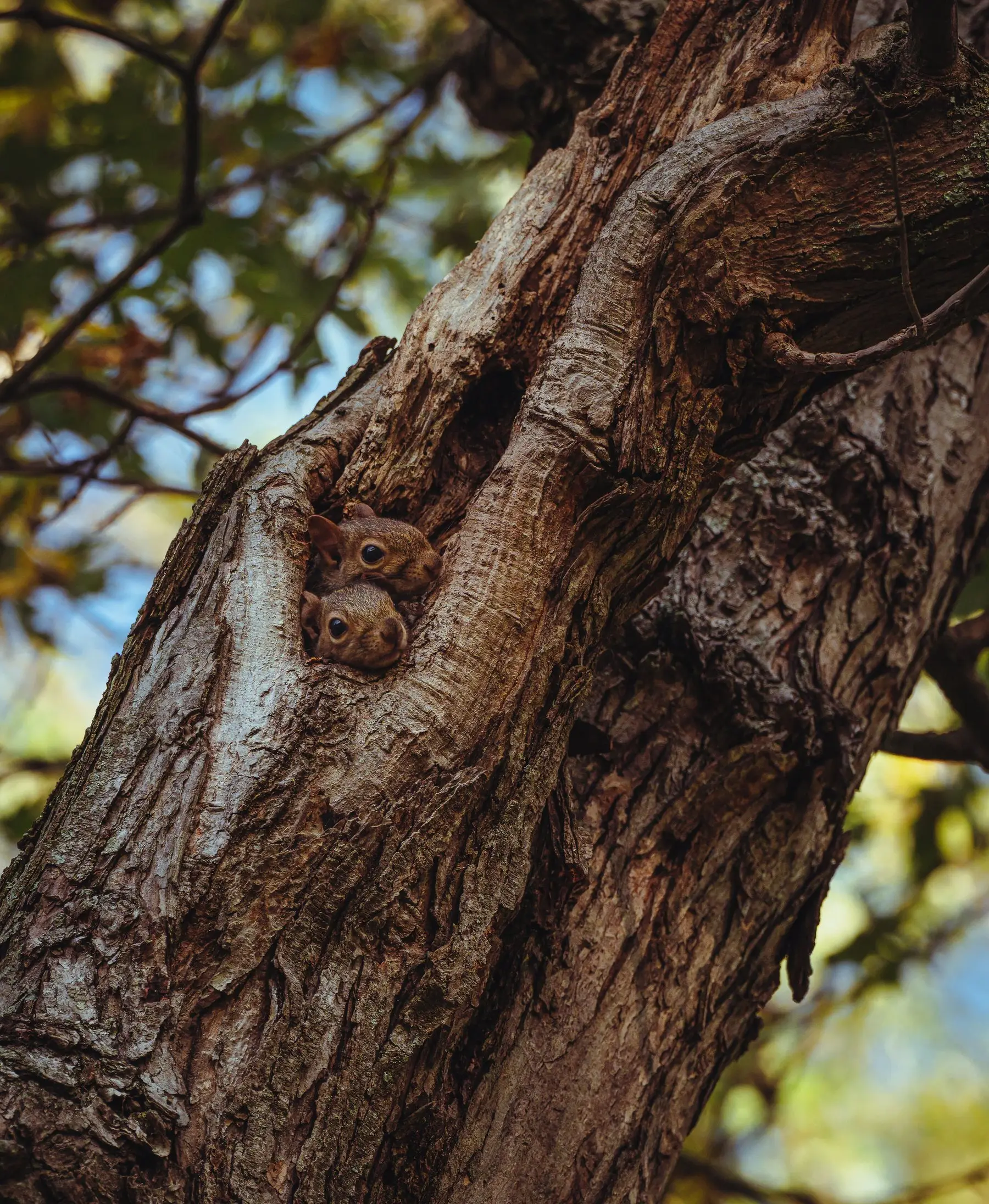
When Do Baby Squirrels Leave the Nest? Week by Week
Kits first come out at six or seven weeks and are independent by three months. The timeline, and how to tell an orphan from one that is fine.
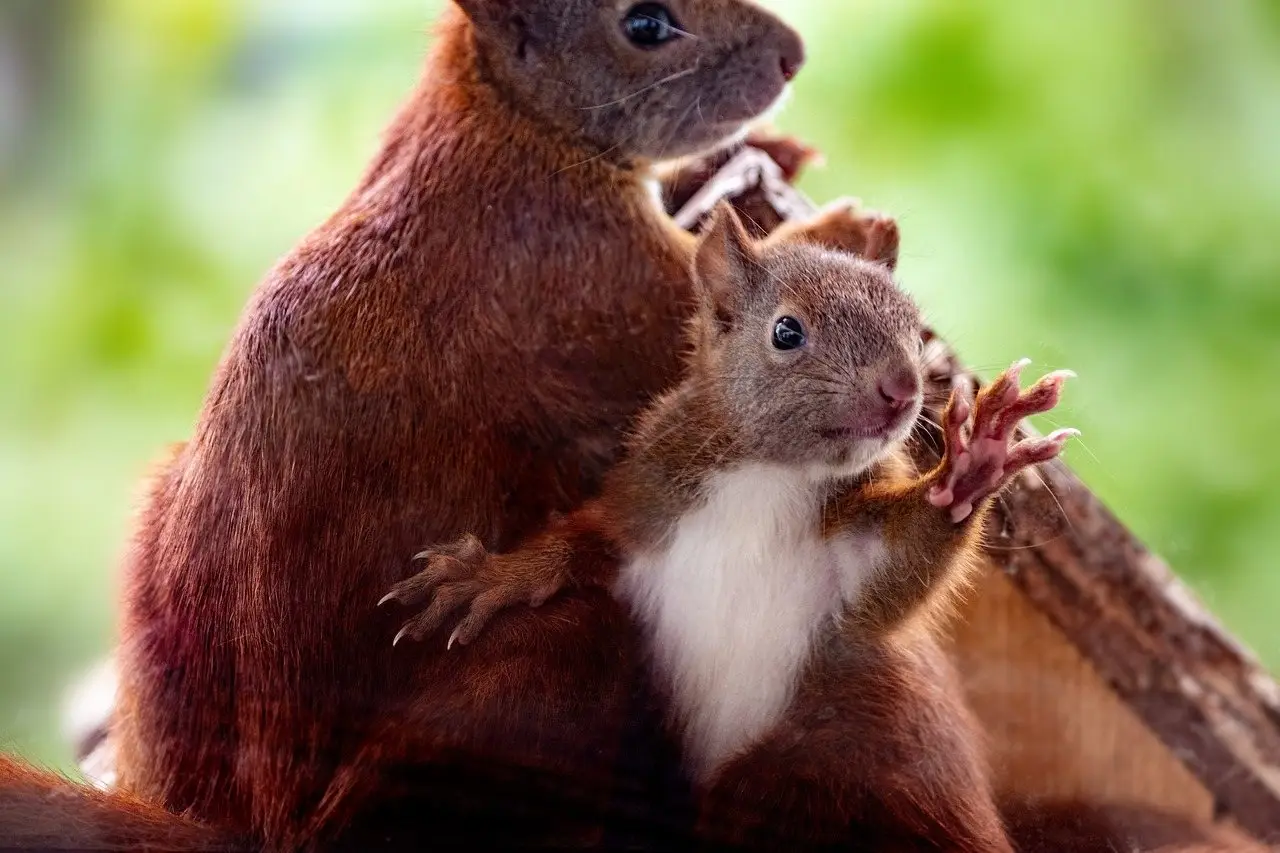
How Do Squirrels Carry Their Babies? Wrapped Under the Chin
A mother squirrel carries each kit in her mouth with the baby curled around her neck, one at a time, and she will move a whole litter nest to nest.
How Many Squirrels Are in the World? Nobody Counts Them
How many squirrels are in the world has no census answer, but 285 species and known densities give a defensible estimate. Why the round numbers online are invented.