
Can Squirrels Get Poison Ivy? No — And They Eat It
Urushiol affects humans and a few primates; most mammals are immune. Squirrels eat the berries and spread the plant — including onto you.
 By
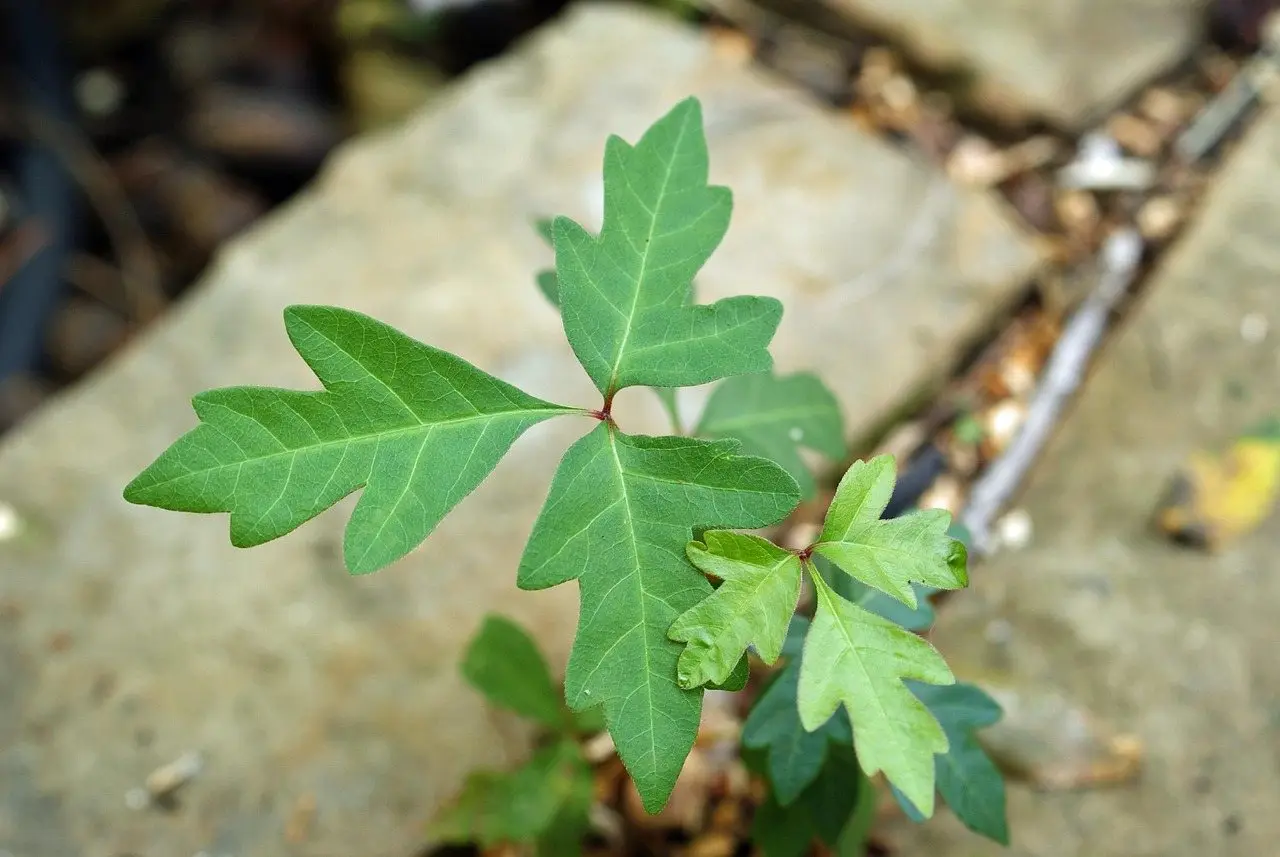
On this page
Poison ivy is a human problem. Squirrels eat the berries, sleep in the vines, and then carry the oil to you on their fur — which is the part worth knowing.
Who reacts
| animal | reacts to urushiol |
|---|---|
| Humans | yes — 75–90% |
| Some other primates | yes |
| Squirrel, chipmunk | no |
| Dog, cat, horse | no |
| Deer, rabbit | no |
| Birds | no |
Where the oil persists
| surface | how long urushiol stays active |
|---|---|
| Skin | until washed — act within the hour |
| Pet fur | until bathed |
| Clothing | months to years unwashed |
| Tools, boots, gloves | months to years |
| Dead vines and roots | still active |
Burning poison ivy is dangerous
Urushiol vaporises in smoke. Inhaling it can cause a severe reaction in the airway and lungs requiring hospital treatment. This applies to dead and dried material as much as to living vines — never add it to a bonfire or a brush pile that will be burned.
After contact, in order
- Wash skin with soap and cool water, or a urushiol remover, within the hour
- Bathe the pet wearing gloves — it is not reacting, you will
- Wash clothing separately, hot, with detergent
- Wipe tools, boots and handles with rubbing alcohol
- Bag the plant material rather than composting or burning it
Why it keeps coming back
Berries are eaten and the seed passed by birds and mammals, so new plants germinate along fence lines, under perches and at tree bases. Removing a vine does not stop next autumn’s delivery, which is why established gardens tend to deal with poison ivy repeatedly rather than once.
Common questions
Can squirrels get poison ivy?
Do squirrels actually eat it?
Can an animal give me poison ivy?
How do I decontaminate after exposure?
Do squirrels spread poison ivy?
What is the safest way to remove it?
Backyard Weekly
Know what to plant, week by week
Join the weekly email for seasonal jobs, fixes for what is going wrong, and gear worth buying.
Not ready to subscribe? The planting calendar is free and needs no email.
By subscribing you agree to our privacy policy. Grow In Backyard will never sell your address.
Keep reading
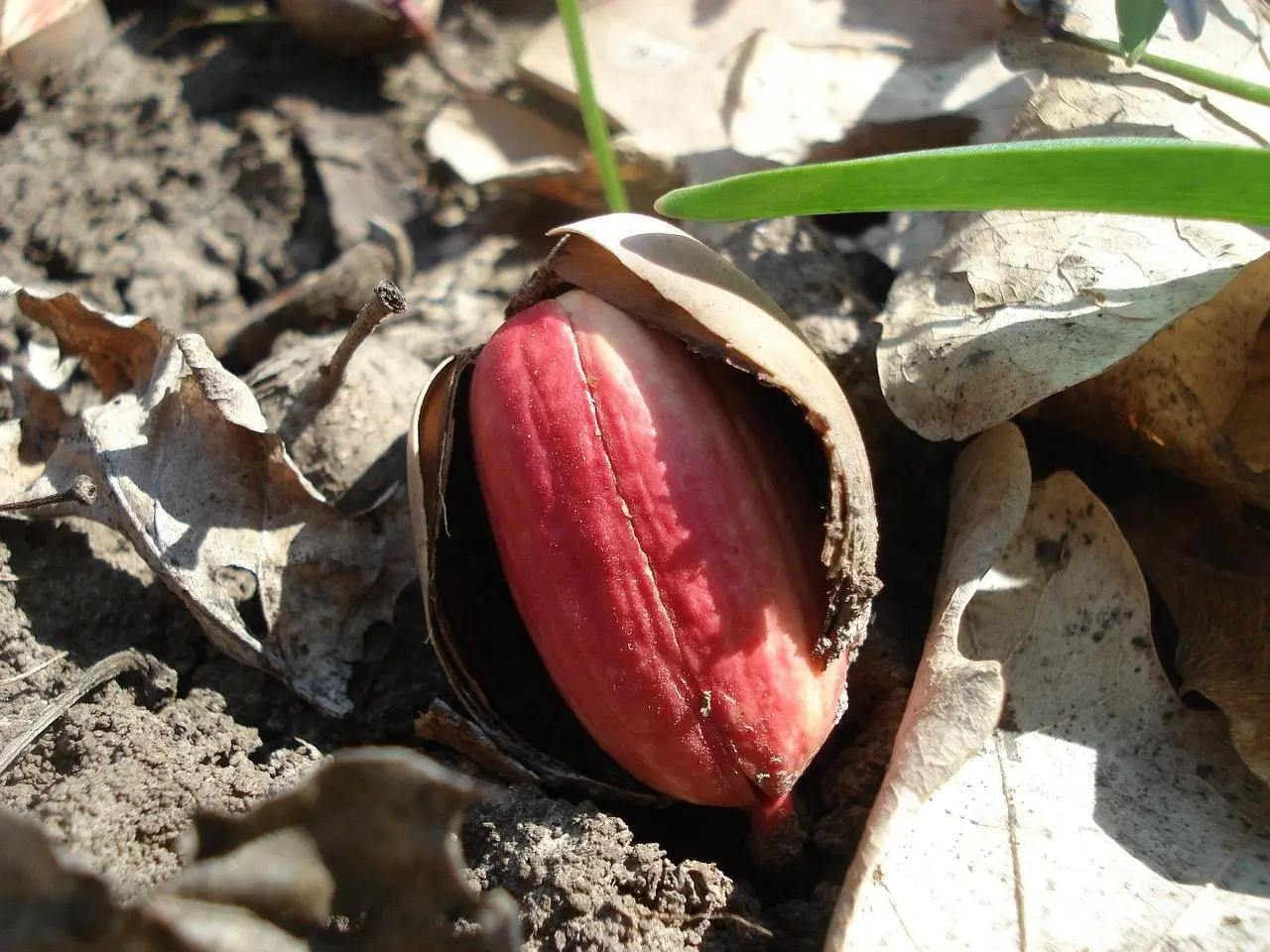
Are Squirrels Beneficial to the Environment? Yes, Hugely
Squirrels plant most of the oak trees they forget about, spread fungi that trees need, and feed every predator above them. The full ledger.
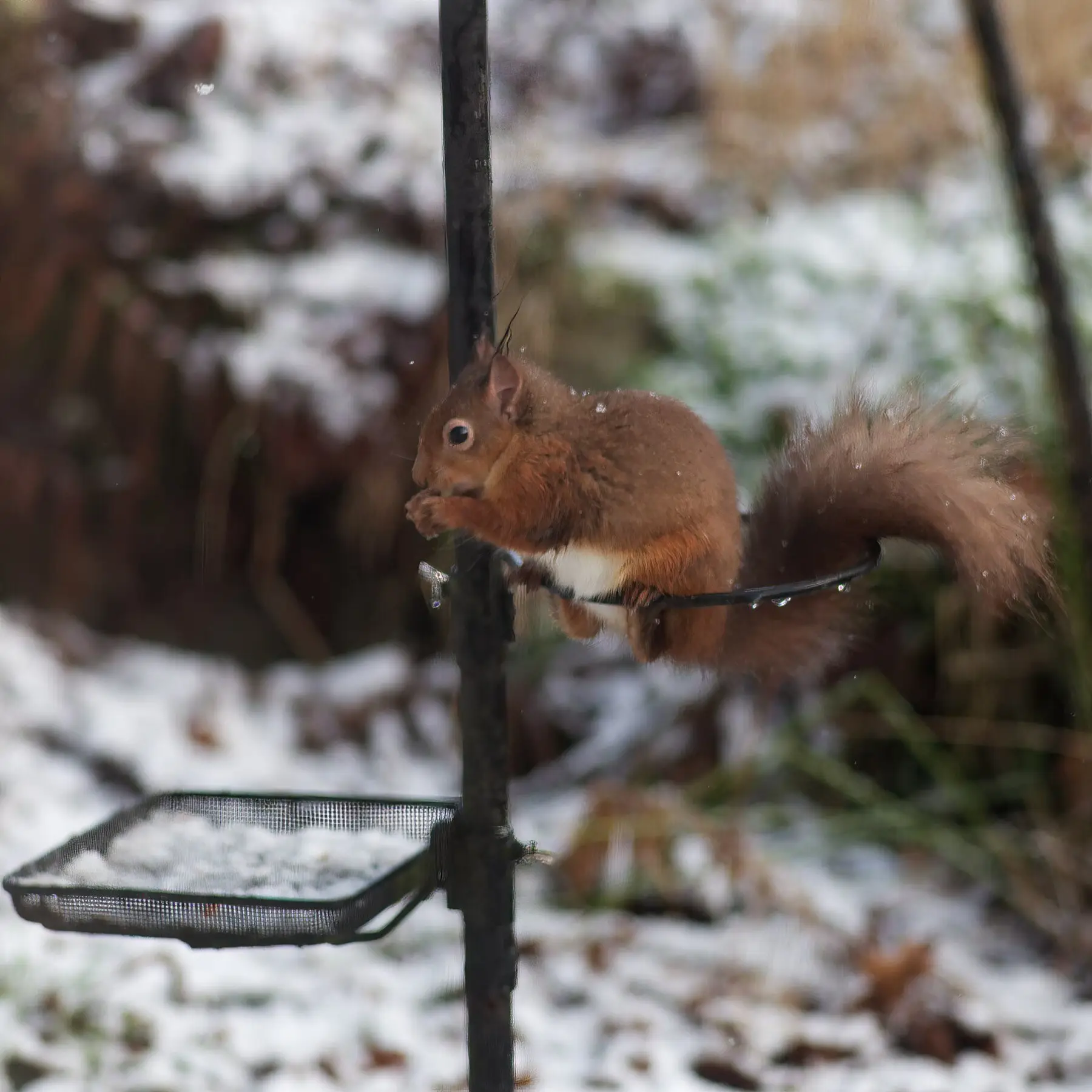
What Not to Feed Squirrels (And Whether to Feed Them at All)
Peanuts, bread, chocolate and salted nuts all cause real harm. The safe list, why corn is worse than it looks, and the case against feeding squirrels.
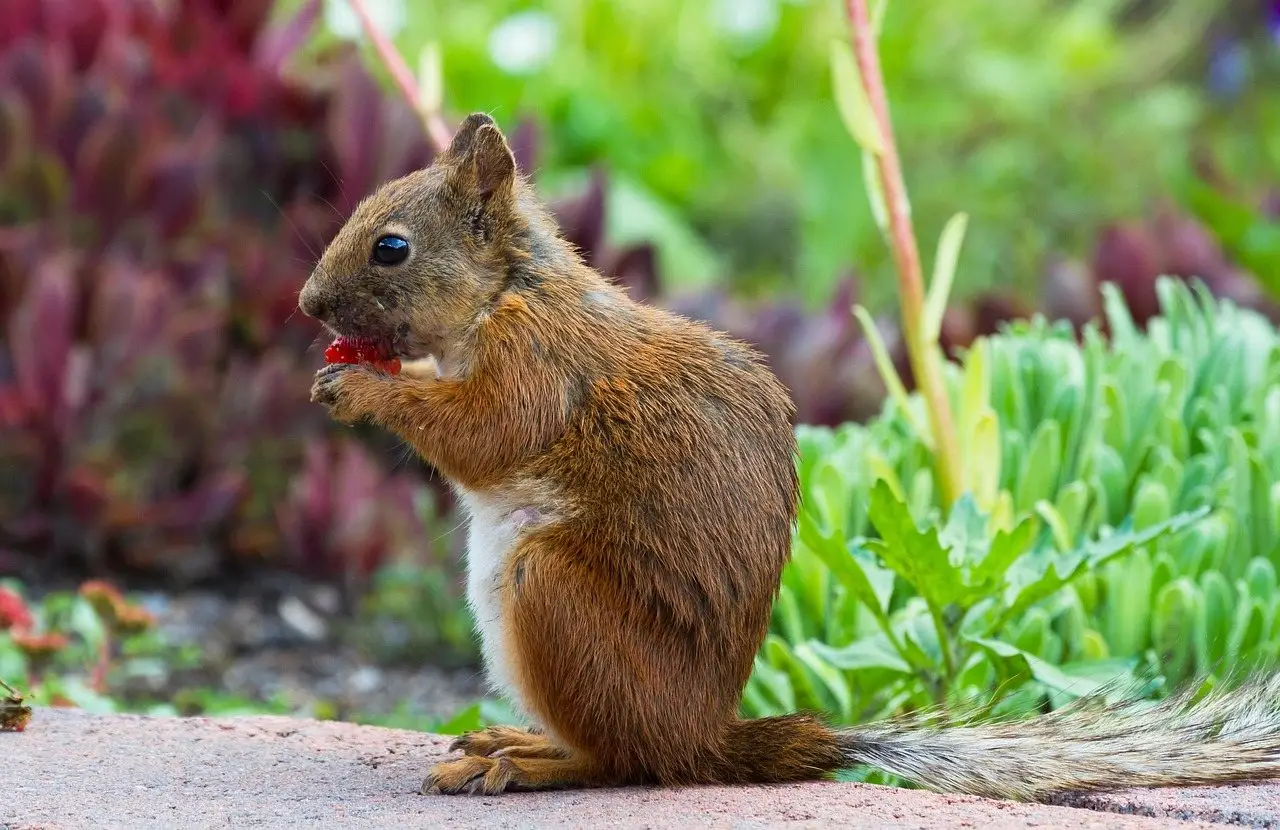
Do Squirrels Have Taste Buds? Yes, and They Use Them
Squirrels taste bitter, sweet, salty and sour, and reject tannin-heavy acorns on that basis. Why capsaicin works on them and not on birds.
Can Squirrels Get Rabies? What the Bite Data Actually Says
Squirrels can carry rabies in theory but almost never do, and no US case of human rabies has been traced to one. What to do if you are bitten.