
Can Ducks Eat Honeydew Melon? Yes, Including the Seeds
Honeydew is safe for ducks — flesh, seeds and rind. Why it works as a hot-weather treat, how to serve it, and the sugar limit worth keeping to.
 By
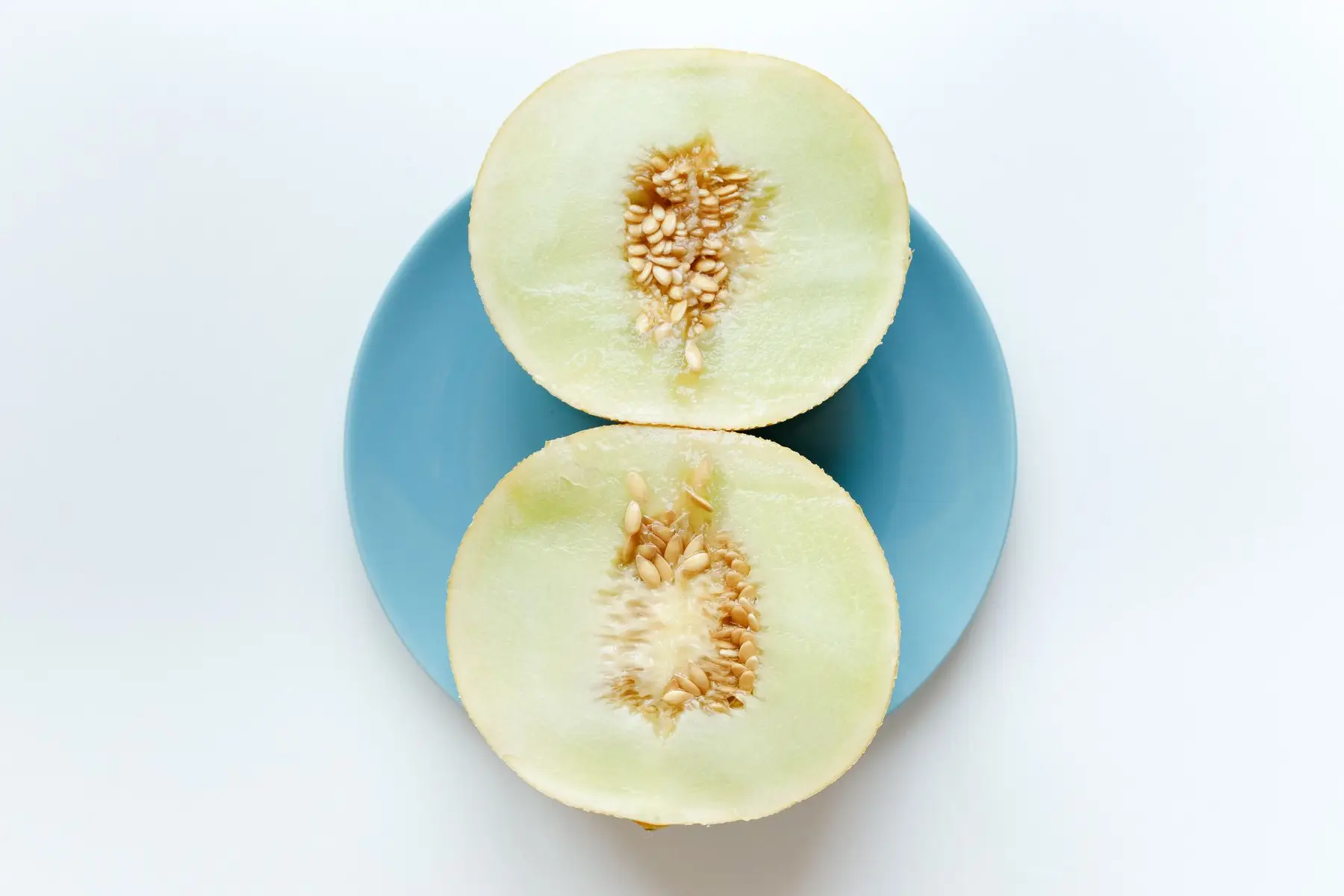
On this page
Yes — flesh, seeds and rind are all safe. Honeydew is about ninety per cent water, which makes it a good hot-weather treat. The only real limit is the sugar.
The seeds question
Worth answering directly, because it is the part people hesitate over.
Melon seeds are safe. They are not the same case as apple, cherry, peach or apricot pips, which carry cyanogenic compounds and are the reason the “never feed seeds” rule exists at all.
In practice ducks go for the seeds and the soft pulp around them first — it is the easiest part to swallow — and work on the firmer flesh afterwards.
Serving it
- Halve it, or cut thick wedges, flesh exposed. A duck cannot start on an intact rind
- Chill it on a hot day. A part-frozen half works well
- Float chunks in a shallow tray — it matches how ducks dabble and keeps them occupied longer
- Wash the outside of a shop-bought melon before cutting
The rind is safe, and they will still leave it
Nothing in the rind is harmful. It is simply hard enough that a bill makes little progress unless it is chopped small.
Let them clean out the flesh and compost what is left. Chopping rind finely is work for no return.
How much
A few chunks each, a couple of times a week, within the overall ten per cent treat allowance.
Melon earns a slightly tighter limit than cucumber or lettuce for one reason: it is sweeter, and sugary treats are the usual route to a flock quietly eating less of its actual feed.
What the treat limit is really protecting
Formulated waterfowl feed carries the protein and the niacin. Ducks need noticeably more niacin than chickens do.
A shortage shows up in growing birds as leg weakness — sitting when they should be walking, hocks bowing, reluctance to move. It is preventable, and treats crowding out feed is the common cause.
On hot weather
Melon helps at the margin. It is not the answer.
A duck in genuine heat trouble pants, holds its wings away from its body, goes quiet and stops laying. What fixes that is shade, deep cool water it can submerge its head in, and moving air — not a treat.
Chilled melon is a pleasant extra on a hot afternoon. Treat it as that.
Common questions
Can ducks eat honeydew melon?
Can ducks eat melon seeds?
Can ducks eat honeydew rind?
How should I serve melon to ducks?
How much melon can a duck have?
Is melon good for ducks in hot weather?
Backyard Weekly
Know what to plant, week by week
Join the weekly email for seasonal jobs, fixes for what is going wrong, and gear worth buying.
Not ready to subscribe? The planting calendar is free and needs no email.
By subscribing you agree to our privacy policy. Grow In Backyard will never sell your address.
Keep reading

Can Ducks Eat Cucumbers? Yes, and They Are Ideal in Heat
Cucumbers are safe, mostly water, and one of the better hot-weather treats for ducks. How to serve them, and what the seeds and skin do.
Can Ducks Eat Strawberries? Yes, With Two Caveats
Strawberries are safe and popular with ducks, as a treat rather than a food. How much is too much, and the garden fruits that are genuinely unsafe.
What Vegetables Can Ducks Eat? The Safe List
Leafy greens, peas, squash and cucumber are all safe for ducks. Onion, avocado, raw dried beans and green potato are not. How much, and how to serve it.
Can Ducks Eat Spinach? Yes, But Not Every Day
Spinach is safe and ducks love it, but oxalates bind calcium and a laying duck cannot spare it. Why kale and chard are the better daily green.