
Can Ducks Eat Cucumbers? Yes, and They Are Ideal in Heat
Cucumbers are safe, mostly water, and one of the better hot-weather treats for ducks. How to serve them, and what the seeds and skin do.
 By

On this page
Yes, all of it — flesh, skin and seeds. And because cucumber is about 95% water, it is one of the few treats that helps rather than displaces, particularly in a heatwave.
Why it suits ducks particularly
Ducks handle heat poorly. A duck in trouble pants, holds its wings away from its body, goes lethargic and stops laying — and unlike a chicken it cannot lose much heat through its skin.
Water-rich food helps, alongside the things that matter more:
- Shade, all day, not just at noon
- Deep cool water they can get their whole head and body into
- Airflow through the housing
- Chilled or frozen treats as a supplement to those
| Treat | Water | Sugar | Verdict |
|---|---|---|---|
| Cucumber | ~95% | Very low | Best of the three |
| Watermelon | ~92% | Moderate | Excellent, sweeter |
| Lettuce | ~95% | Very low | Good, less substantial |
| Peas, frozen | Low | Low | Great treat, not a coolant |
| Corn | Low | High starch | Worst in heat — generates heat digesting |
Frozen cucumber halves on a hot afternoon
Halve them lengthways, freeze, and put them out in the middle of the day. Ducks work at them for a long time, which spreads the cooling out rather than delivering it in one go.
Float them in a tub and it suits how ducks actually feed — they dabble at the surface rather than picking food off the ground.
Skin and seeds
Both safe, neither needs removing.
- Skin is the most fibrous part, and some ducks leave it if the flesh is easier to reach. That is preference, not a problem
- Seeds are entirely fine — unlike apple pips or cherry stones, there is nothing in a cucumber seed to avoid
- Wash shop-bought cucumbers. The waxed coating on supermarket ones is not something to feed deliberately
- Homegrown needs nothing beyond a rinse
Serving it
- Slice, or halve lengthways. A whole cucumber is too hard for a bill to break into
- Float it in a shallow tub of water
- Scatter rather than pile, so the flock’s bullies cannot monopolise it
- Water within reach, always — ducks have no real saliva and swallow by washing food down
- Clear what is left after a few hours, before it draws rats
Why the ten per cent rule still applies
Even for something this innocuous. Ducks need more niacin than chickens do, and a shortage shows as leg weakness and difficulty walking, worst in growing ducklings. That niacin comes from formulated feed, so anything that displaces feed matters.
Cucumber is the easy case — it is so watery that a duck can eat a lot of it without displacing much. A few slices per duck, a few times a week is comfortable.
The wider list
| Safe | Avoid |
|---|---|
| Cucumber, lettuce, kale, chard | Avocado — toxic |
| Peas — a favourite | Onion in quantity |
| Watermelon, melon | Green or sprouted potato |
| Cooked squash, pumpkin | Rhubarb leaves |
| Strawberries, banana | Stones and pips |
| Mealworms, worms, slugs | Bread, crackers, crisps |
| Cooked rice, oats | Anything mouldy or salty |
Chop anything dense, and keep grit available if they are eating much beyond their feed — birds grind food in the gizzard rather than chewing it.
Common questions
Can ducks eat cucumbers?
Can ducks eat cucumber skin and seeds?
How should I serve cucumber to ducks?
Is cucumber good for ducks in hot weather?
How much cucumber can a duck have?
What other vegetables are safe for ducks?
Backyard Weekly
Know what to plant, week by week
Join the weekly email for seasonal jobs, fixes for what is going wrong, and gear worth buying.
Not ready to subscribe? The planting calendar is free and needs no email.
By subscribing you agree to our privacy policy. Grow In Backyard will never sell your address.
Keep reading
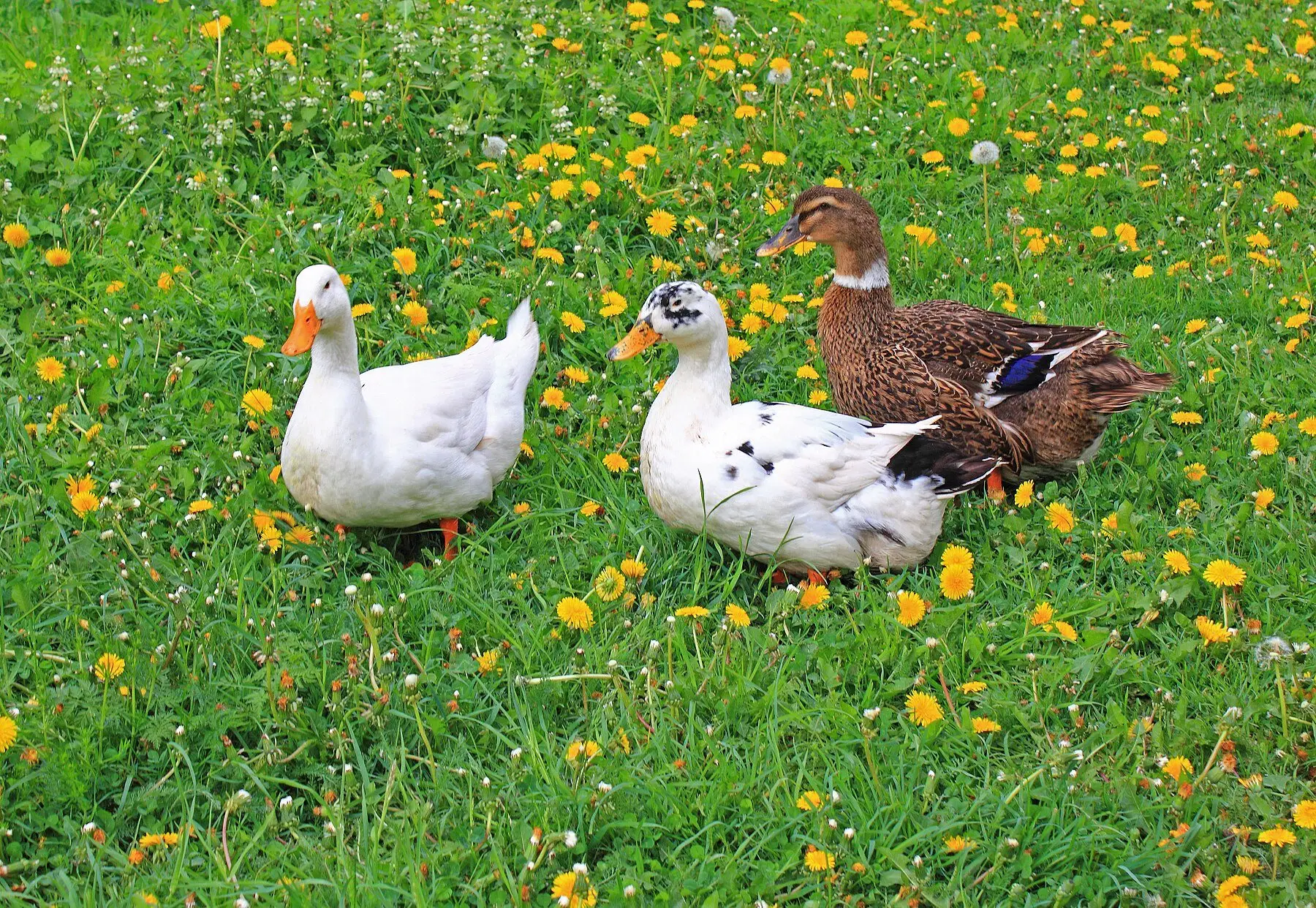
Can Ducks Eat Strawberries? Yes, With Two Caveats
Strawberries are safe and popular with ducks, as a treat rather than a food. How much is too much, and the garden fruits that are genuinely unsafe.
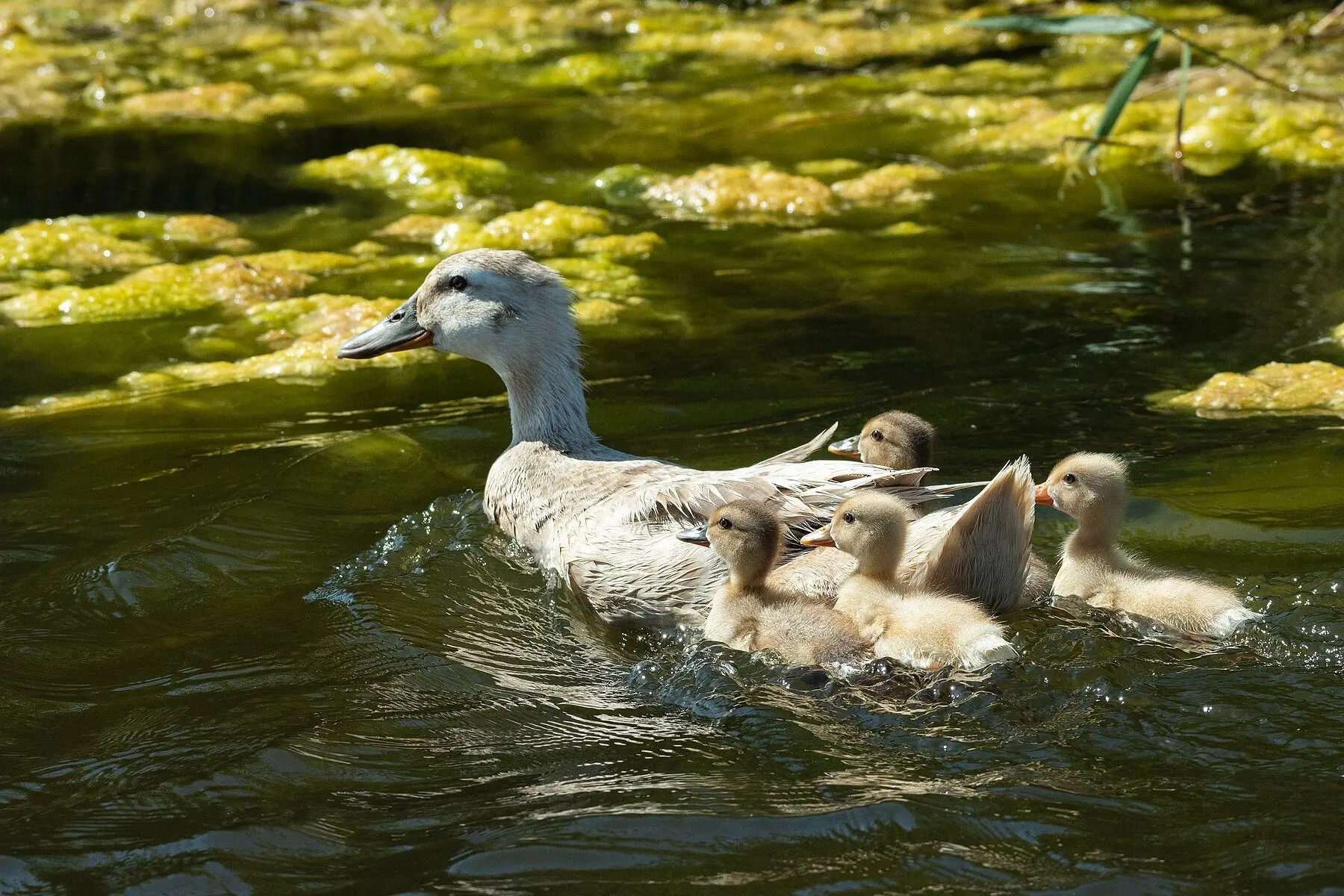
Can Ducks Eat Green Beans? Yes, Cooked — Never Raw or Dried
Cooked green beans are a good duck treat, but raw dried beans contain lectins that are genuinely lethal. The distinction, and the 10 percent rule.
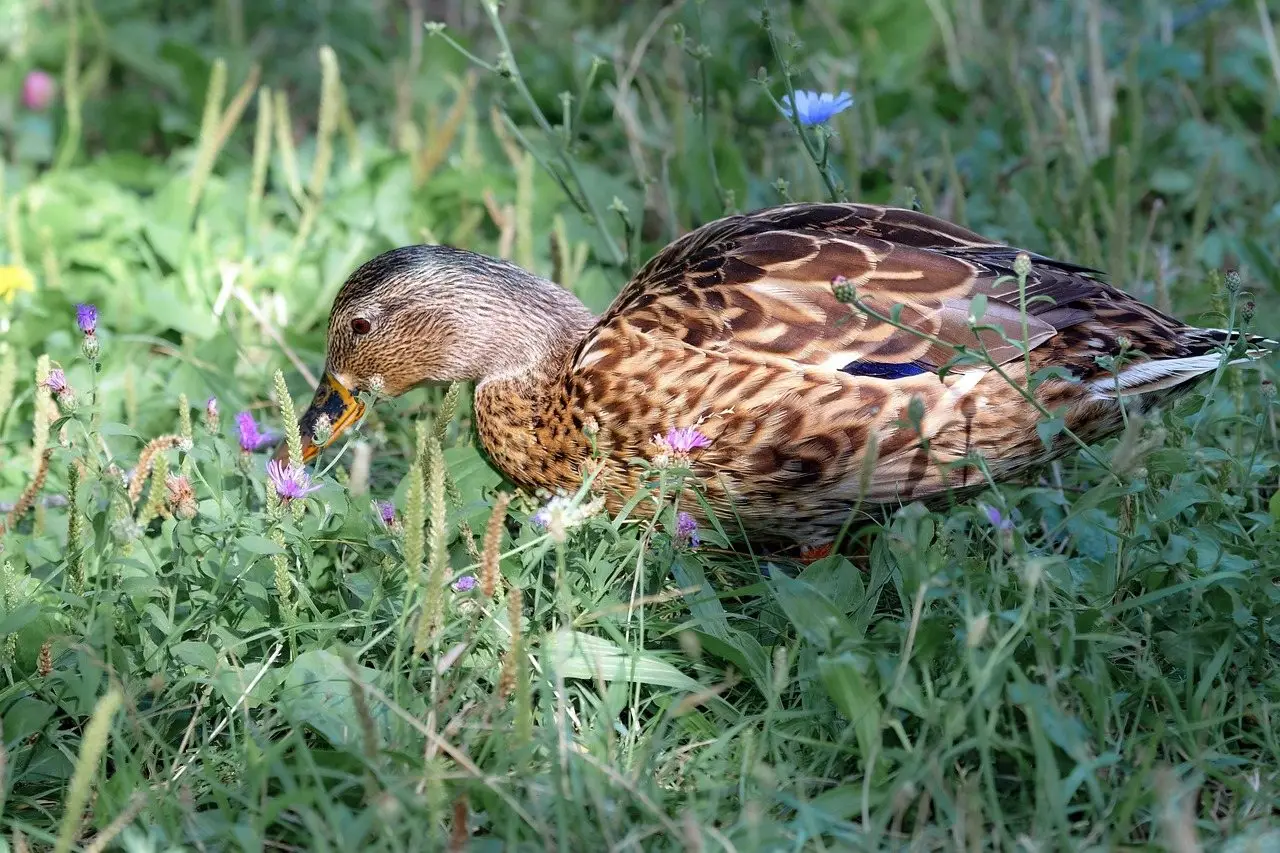
Can Ducks Eat Corn? Yes, But Not as a Diet
Corn is safe and ducks love it, which is the problem. Why it should stay a treat, the winter exception, and what it displaces in a laying duck.
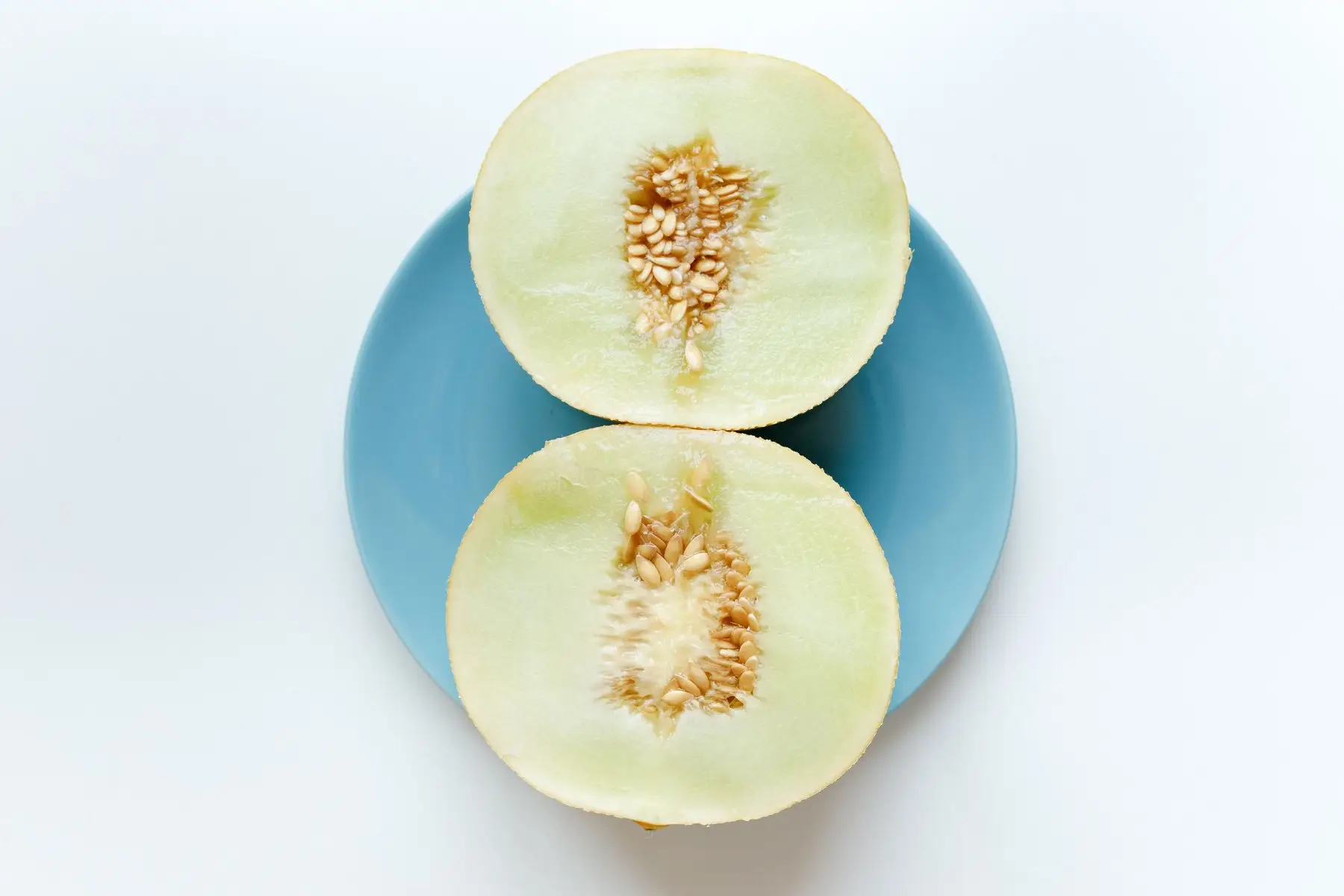
Can Ducks Eat Honeydew Melon? Yes, Including the Seeds
Honeydew is safe for ducks — flesh, seeds and rind. Why it works as a hot-weather treat, how to serve it, and the sugar limit worth keeping to.